
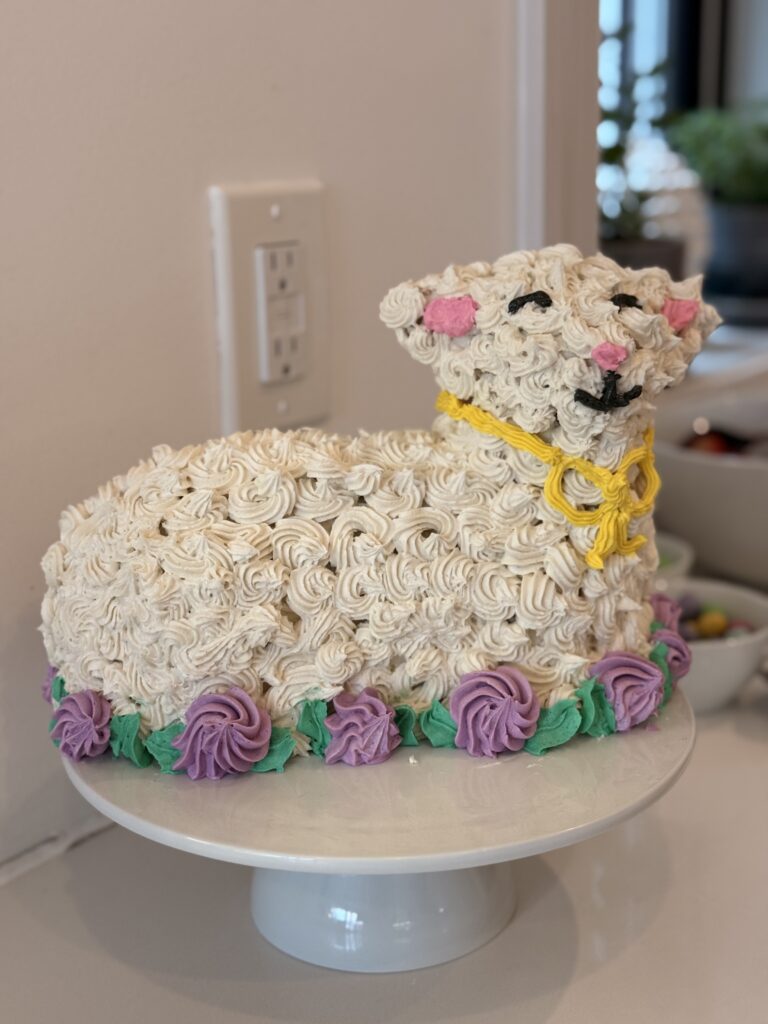
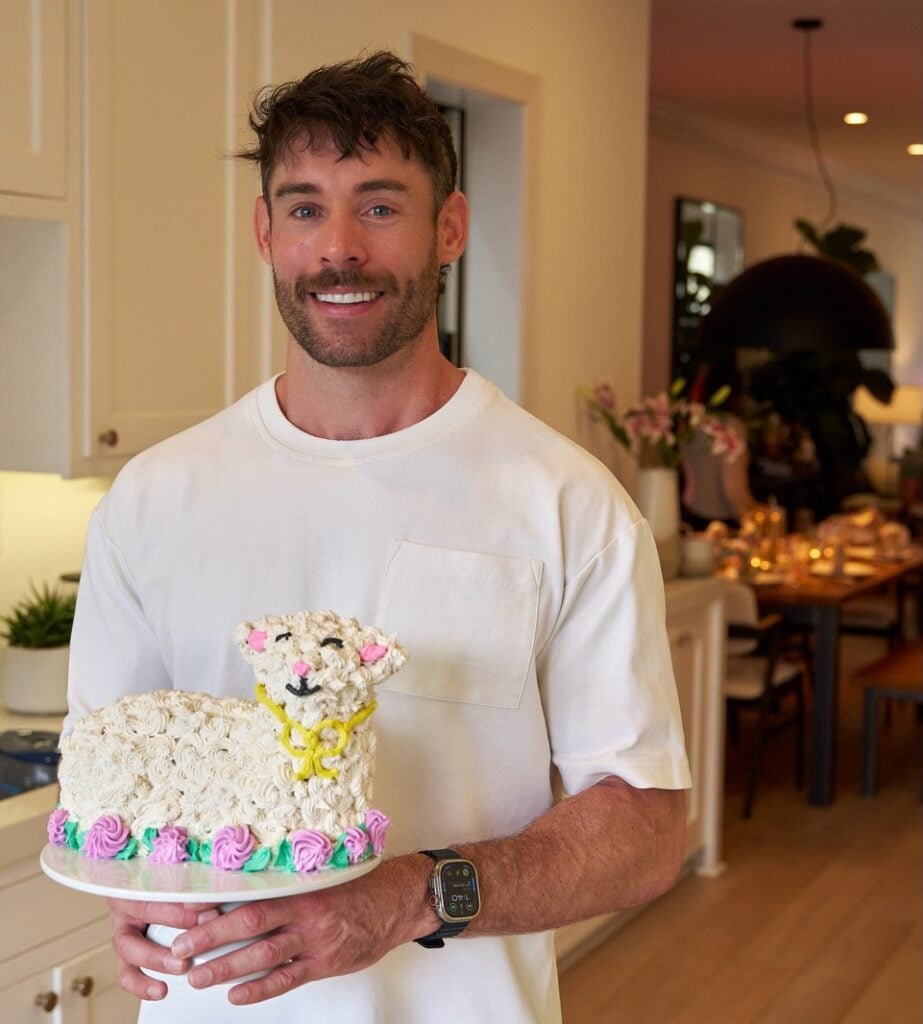
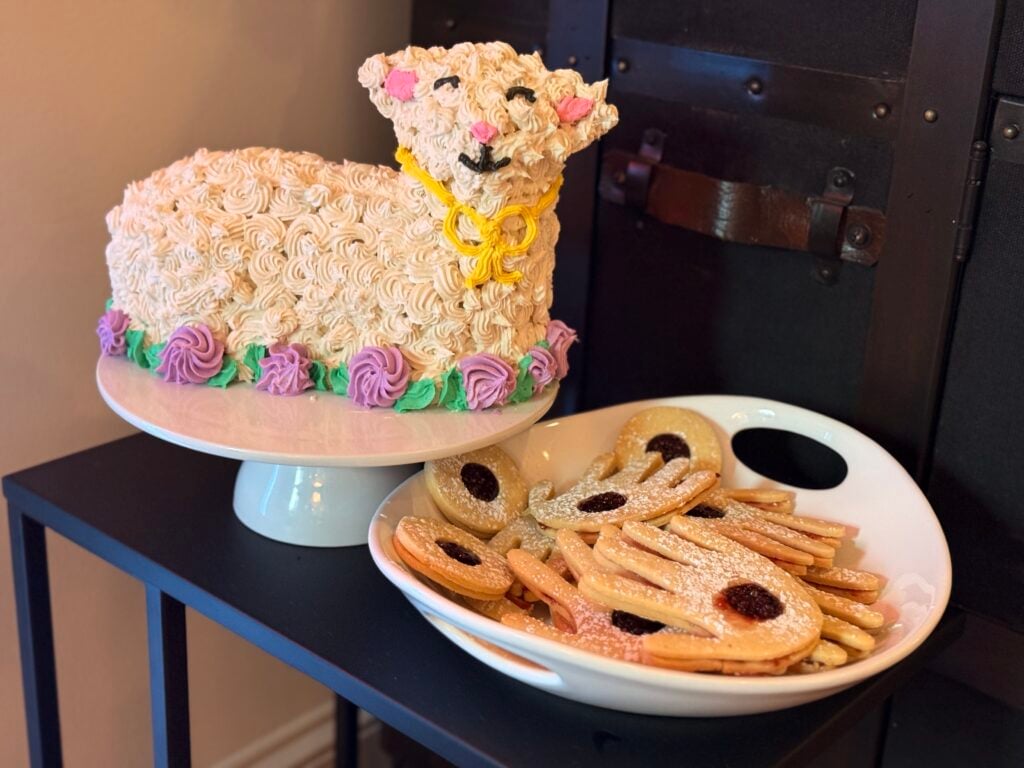
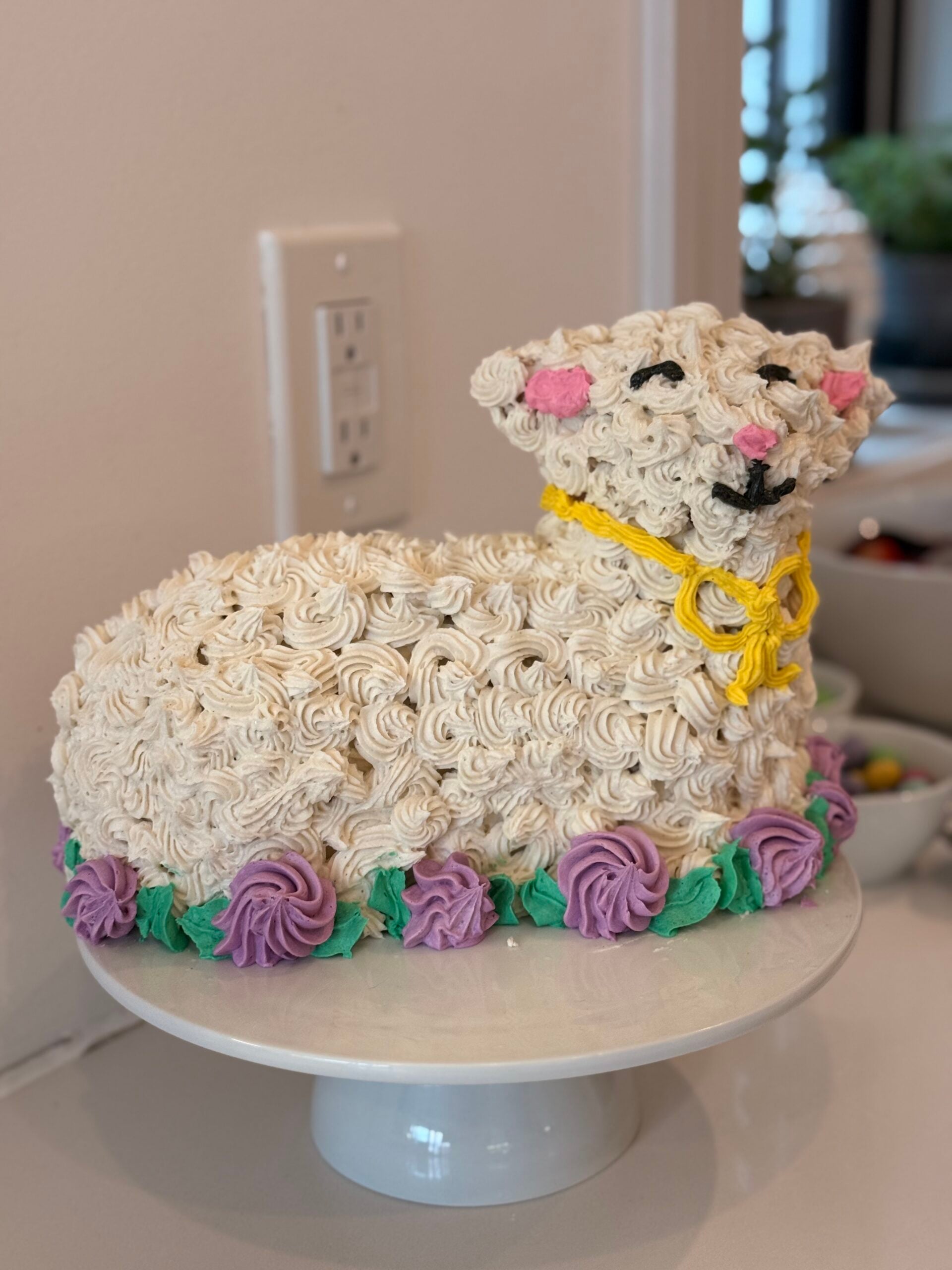
If you grew up with a 3D Easter Lamb Cake sitting in the center of your Easter table, you know it's more than just a dessert—it's a rite of passage. Most versions you find on social media today are dry, crumbly, or rely on heavy sour cream that weighs down the crumb. I've updated this classic using 2% Greek yogurt. This swap maintains that essential pound-cake sturdiness needed for the lamb mold while adding a hit of moisture and a cleaner ingredient profile. It's the centerpiece your holiday traditions actually deserve.
If you're looking for other Holiday Dessert hits from the archive, try these:
- Guava Cranberry Cheesecake Gluten Free
- Grandmas 7 Layer Cookies Magic Bars
- Burnt Honey Basque Cheesecake
The Greek Yogurt Stability Strategy
When you're baking in pans as complex as a 3D mold, you aren't just looking for flavor; you're looking for structural engineering. A standard cake mix is often too light and will collapse when you pull the mold apart. By adding Greek yogurt and instant pudding mix, we create a dense, “tight” crumb. The acidity in the yogurt reacts with the leavening agents to ensure the cake rises into every crevice of the lamb's face and ears without becoming fragile. This is the perfect addition to your brunch spread because it holds its shape for hours without sagging.
Why You'll Love This Recipe
- Foolproof Release: The weight of the yogurt-based batter ensures the cake holds its shape, meaning no decapitated lambs this year.
- Moist Crumb: Unlike traditional pound cakes that can be “choke-dry,” the 2% Greek yogurt keeps this tender for days.
- Authentic Nostalgia: It tastes exactly like the one Grandma used to make, just with a slightly improved nutritional profile.
- Decorating Ease: The surface is sturdy enough to handle heavy buttercream frosting or a thick coating of shredded coconut “wool” that the kids will love helping with.
What makes an Easter Lamb Cake special?
The secret to a real Easter Lamb Cake is the density-to-moisture ratio. Most people fail because they use a standard airy sponge. A true lamb cake must be a “heavy” cake—essentially a modified pound cake—to support its own weight once it stands upright. Whether you are using a vintage cast iron mold or a modern Nordic Ware version, the requirements are the same: the batter must be thick enough to stay put but moist enough to remain edible. Using Greek yogurt provides that weight without the excess grease of traditional fats.
The “Jacob” Pro-Tip for 3D Success
Before you even touch a spoon to that batter, you need to understand the “Steam Hole” factor. Most 3D molds have a small hole in the back. This isn't just for decoration; it's a pressure release. If you plug that hole, your lamb will explode. If you ignore it, you won't know if the center is done. I always keep a piece of foil nearby to tent the mold if the ears are browning too fast in the oven. If you have extra batter, don't overfill the mold—bake a few cupcakes on the side instead.
Key Equipment Focus
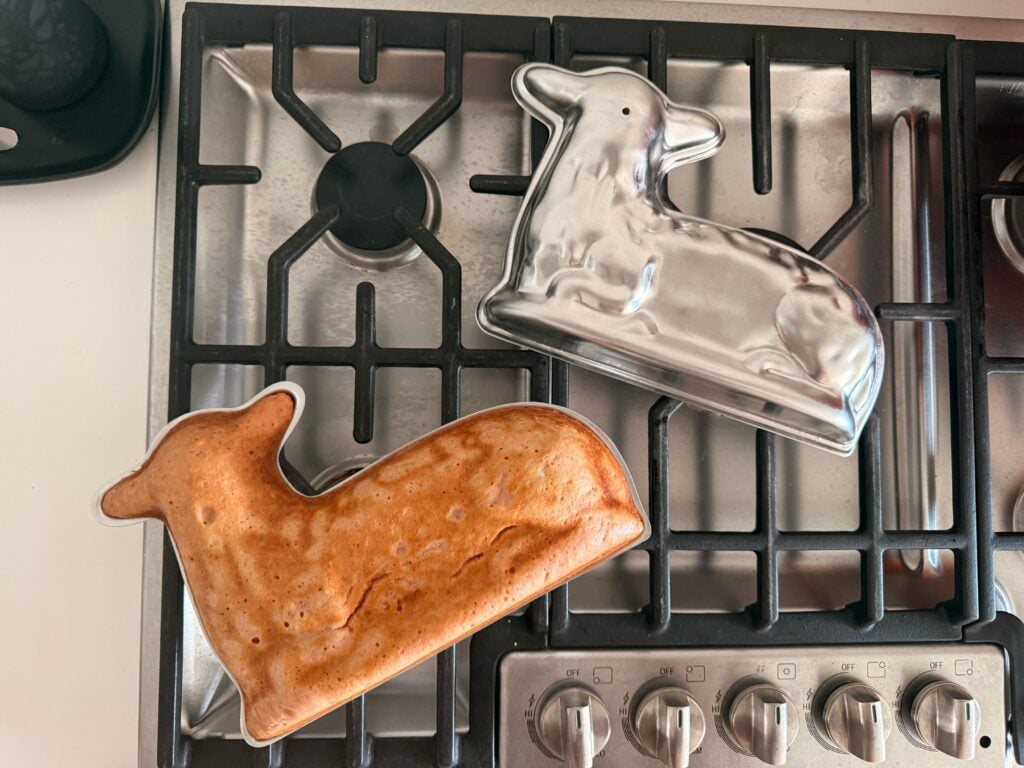
3D Lamb Cake Mold: This is non-negotiable. Whether it's a classic or a Nordic Ware model, you need a two-piece aluminum mold that distributes heat evenly.
Stand Mixer: You need to beat the eggs and yogurt into the cake mix thoroughly to build the structure. Doing this by hand won't aerate the fats enough to get the proper lift.
Digital Kitchen Scale: Precision is everything. If your batter is too thin because you eyeballed the yogurt, the lamb will sink. Weigh your ingredients for a guaranteed stand-up result.
Silicone Spatula Set: Use this to scrape the bottom of the bowl. You cannot have any unmixed dry pockets of pudding mix or the cake will have weak spots.
Ingredient Deep Dive & Strategy
2% Greek Yogurt: This provides the acidity needed for tenderization and the moisture needed for longevity. It's the functional replacement for sour cream.
Instant Vanilla Pudding Mix: The modified cornstarch in the pudding mix acts as a stabilizer, giving the cake a “memory” so it holds the intricate details of the mold.
Teaspoon Vanilla & Pinch of Salt: Never skip these. Even with a box base, a teaspoon vanilla and a pinch of salt sharpen the flavors and cut through the sweetness of the icing sugar in the frosting.
Large Eggs: These act as the primary emulsifier, binding the fats and liquids into a cohesive, sturdy crumb.
Tools I Use for This Recipe

Nordic Ware 3D Lamb Cake Pan
A suggested two-piece aluminum mold designed to bake the freestanding lamb shape this recipe requires.

Jell-O Simply Vanilla Instant Pudding Mix, 3.4 oz
A suggested 3.4-ounce instant vanilla pudding option that helps the cake hold the mold's face and ear details.
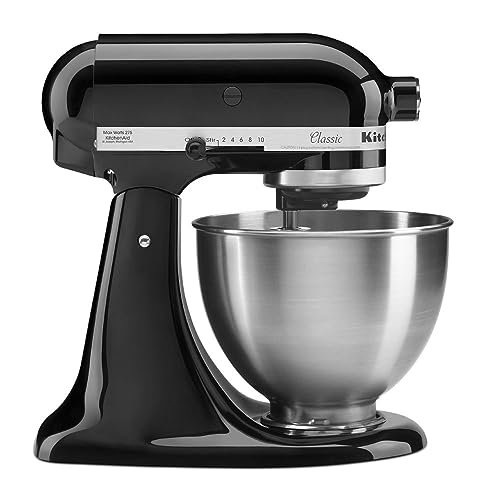
KitchenAid Classic 4.5-Quart Stand Mixer
A suggested mixer for thoroughly combining the thick batter while controlling the low-to-medium mixing speeds.
This post contains affiliate links. As an Amazon Associate, I earn from qualifying purchases.
Easter Lamb Cake Step by Step Instructions
1. Prep the mold:
Generously grease both halves of your lamb mold with shortening or butter, then dust with flour. Shake out every bit of excess flour. If you miss a spot, the lamb's face will stick.
2. Mix at Low Speed:
In your Stand Mixer, combine the cake mix, instant pudding, Greek yogurt, water, oil, and eggs. Add your teaspoon vanilla and pinch of salt. Start at low speed to incorporate the powder and dry ingredients without making a mess, then move to medium speed for 2 minutes.
3. Fill the side of the mold:
Place the front half of the lamb (the face side) face down on a baking sheet. Use a large spoon to fill the side of the mold, ensuring the batter gets into the nose and ears first. If you have extra batter, use it for “test” cupcakes to check the flavor before the big reveal.
4. Seal and bake:
Place the back half of the mold on top. Secure it tightly. If your mold is older and doesn't clip well, you can wrap a small piece of wire or foil around the handles to keep it shut. Bake in the center of the oven at 350°F (175°C) for 45-50 minutes.
Pro Tip: Insert a wooden skewer through the steam hole in the back of the mold. If it comes out clean, the center of the lamb is fully set.
5. The cooling “Rest”:
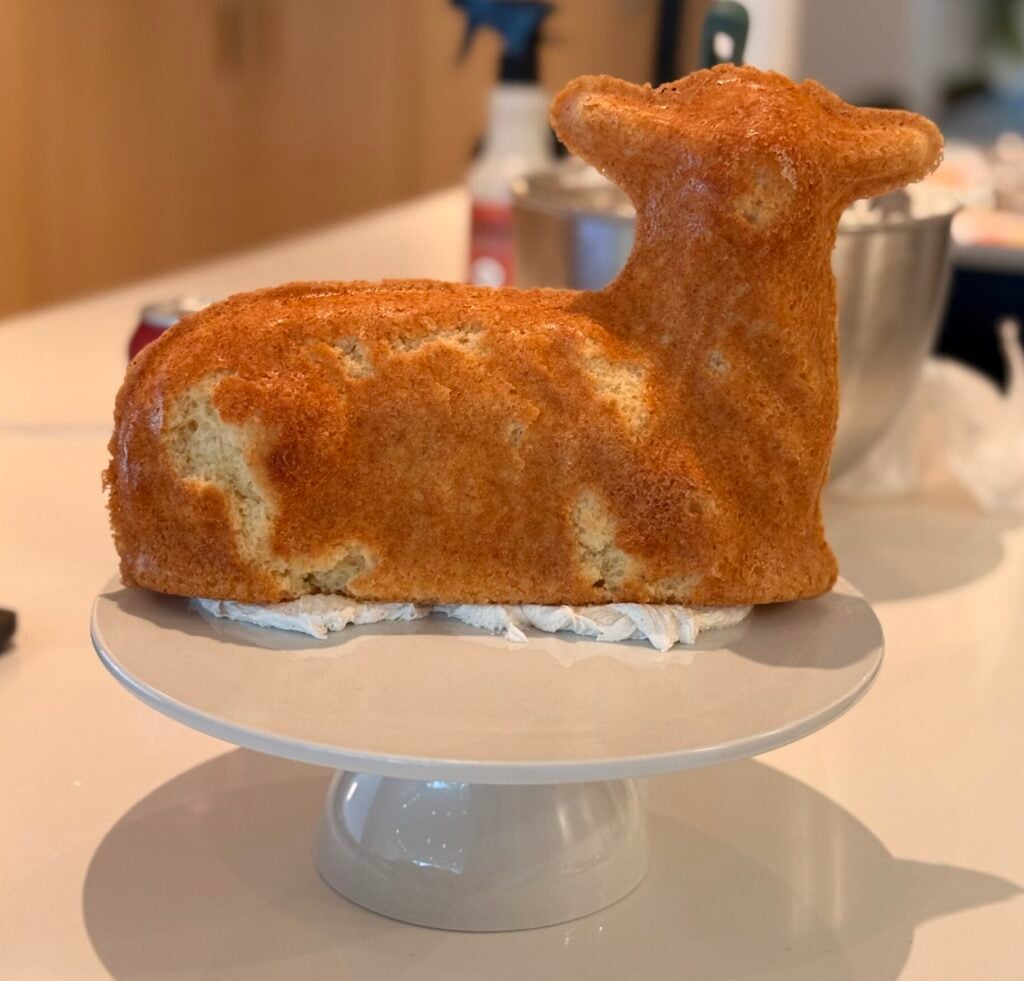
Let the cake cool in the mold for exactly 10 minutes. Any longer and it may steam and stick; any shorter and the structure hasn't set. Gently remove the back half, let it sit for another 5 minutes, then carefully invert.
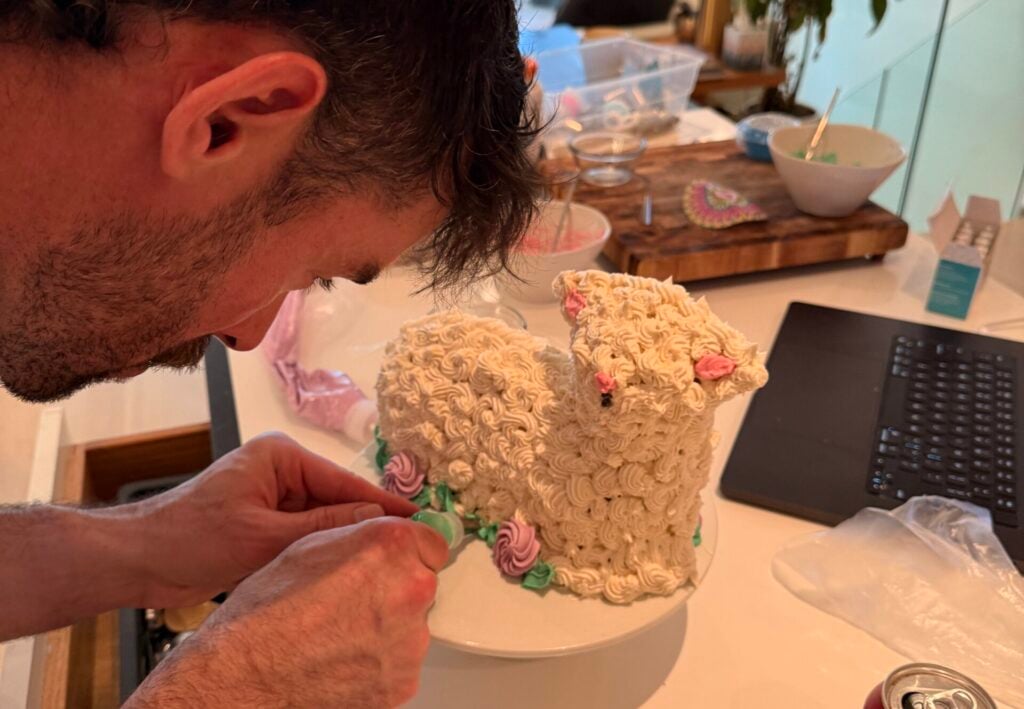
6. Decorate with Tradition:
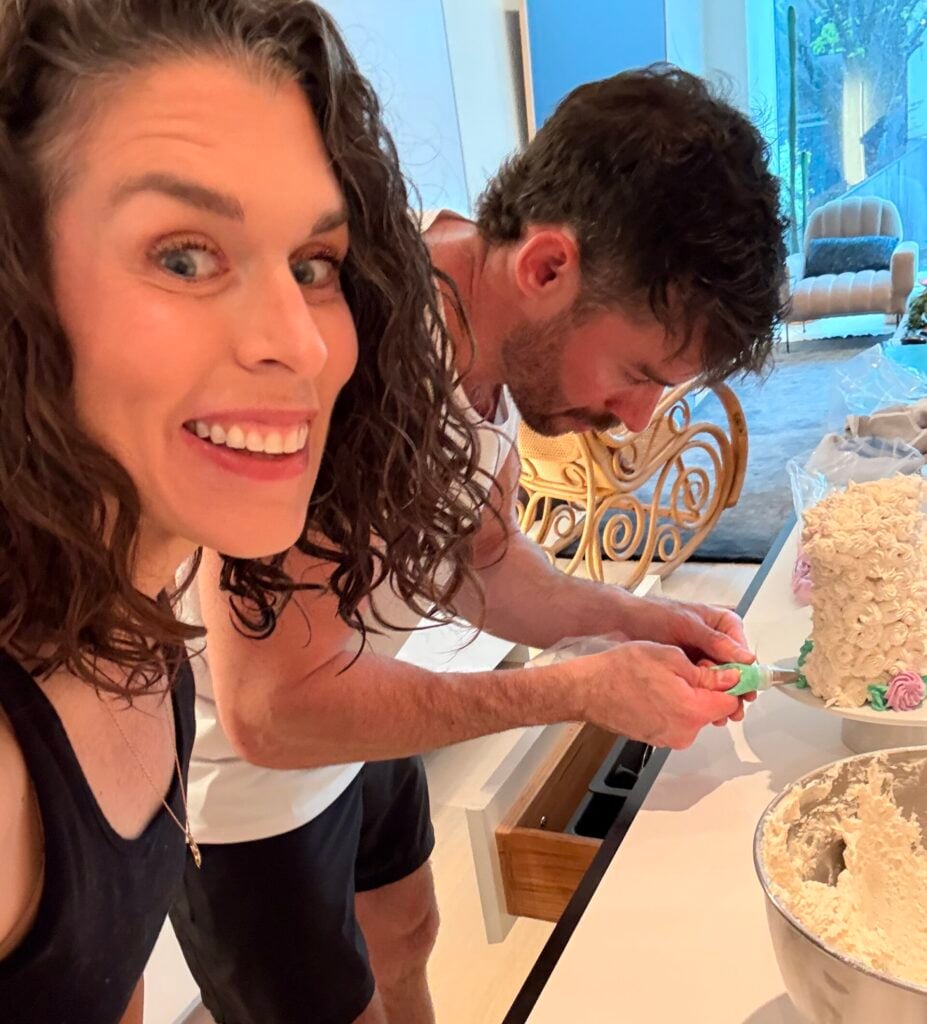
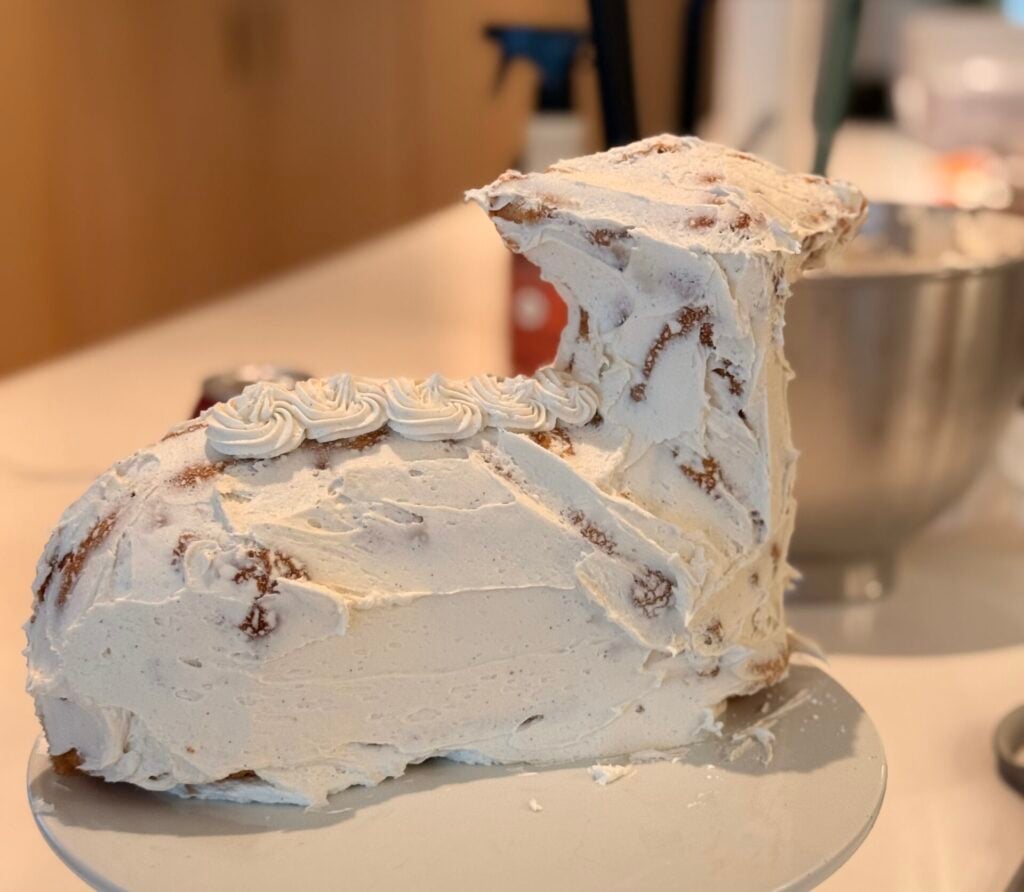
Once completely cool, frost with buttercream frosting. Use a spoon to swirl the “wool” or pipe it on. Press shredded coconut into the frosting, and for the final authentic touch, tie a red ribbon around the lamb's neck before serving.
History, Tradition & FAQ
What is the tradition of lamb cake on Easter?
The lamb cake is a deeply symbolic tradition representing the “Lamb of God” (Agnus Dei). It is particularly popular in Catholic and Orthodox communities, serving as a festive edible centerpiece that signals the end of Lenten fasting. While many families today use a mix, the most dedicated bakers still build theirs from scratch to ensure a dense, heirloom-quality texture.
Where did the lamb cake originate?
The tradition has strong roots in Eastern and Central Europe, specifically Poland (Baranek wielkanocny) and Germany (Osterlamm). In Germany, the Osterlamm is often a simpler, un-iced cake dusted with icing sugar, whereas the American version evolved into a heavily frosted masterpiece.
Is lamb cake a Midwest thing?
Absolutely. In the United States, the lamb cake is a staple of the “Polish Belt” across the Midwest (Chicago, Milwaukee, Cleveland). It became a commercial hit in the early 20th century when companies like Nordic Ware and Griswold began mass-producing the cast-aluminum pans we still use today.
Why is it tradition to have lamb at Easter?
The tradition of eating lamb dates back to the first Passover in the Jewish faith. Early Christians carried this over into Easter, symbolizing sacrifice and rebirth. The cake version allowed families to enjoy the symbolism even if they couldn't afford a full roast lamb for the Easter table.
What is the healthiest cake you can eat?
While no cake is a “health food,” cakes made from scratch using whole ingredients like Greek yogurt, almond flour, or fruit purees are the healthiest options. By swapping sour cream for 2% Greek yogurt in this recipe, we improve the protein-to-fat ratio while keeping the “clean ingredient” promise.
What is the oldest cake in the world?
The Linzer Torte, originating in 1653 in Austria, is widely considered the oldest known cake recipe. Like our lamb cake, it relies on a sturdy, nut-based crust rather than a light, modern sponge.
How do I fix the bottom of the cake?
If your lamb came out of the oven with a rounded base, it won't stand up. Simply use a serrated knife to shave the bottom of the cake until it is perfectly flat.
How do I store this for Easter morning?
Keep it under a large bowl or cake dome. If you haven't frosted it, wrap it in plastic wrap or foil to keep the moisture locked in.
Substitutions Table
| Component | Swap Options |
| 2% Greek Yogurt | Full-fat Sour Cream or 5% Greek Yogurt |
| Vegetable Oil | Melted Coconut Oil or Melted Butter |
| Buttercream Frosting | Cream Cheese Frosting or Icing Sugar Dusting |
| Shredded Coconut | Toasted Coconut or White Sprinkles |
Storage & Reheating
Store the decorated cake under a large cake dome at room temperature for up to 2 days. This is the best way to keep it fresh for Easter time. If you haven't frosted it yet, wrap the cake tightly in plastic wrap; it actually stays moist for up to 4 days thanks to the Greek yogurt.
You Might Also Like
If you love holiday baking as much as I do, these three hits from the archive are worth checking out next.
- Old Fashioned Pineapple Drop Cookies
- Chewy Vintage Cherry Coconut Cookie Bars Swiss Treats
- Vintage Sour Cream Cutout Cookies The Ultimate Soft Holiday Cookie
The Final Verdict & Share
Making your own Easter lamb cake is a tradition that connects generations. Skip the dry box instructions and use this yogurt strategy for a centerpiece that people will actually want to eat. If you post your creation to social media, tag me!
BAKE THIS NEXT
Easter Lamb Cake Recipe (With Pictures)
Ingredients
- 1 box Vanilla Cake Mix (15.25 oz)
- 1 box Instant Vanilla Pudding Mix (3.4 oz)
- 1 cup 2% Greek Yogurt
- 1 tsp Vanilla Extract
- 1 pinch Salt
- 1/2 cup Water
- 1/2 cup Vegetable Oil
- 4 large Eggs
- 2 cups Buttercream Frosting
- 1.5 cups Shredded Sweetened Coconut
- 1 Tbsp Icing Sugar Optional for dusting
Method
- Preheat oven to 350°F (175°C). Grease and flour both halves of the lamb mold thoroughly.
- Using a stand mixer, combine cake mix, pudding mix, yogurt, water, oil, vanilla, salt, and eggs. Start at low speed to incorporate the powder, then move to medium for 2 minutes.
- Use a spoon to fill the face-side of the mold with batter, ensuring no air pockets are left in the ears or nose. If you have extra batter, bake as cupcakes.
- Place the back of the mold on and secure. Bake for 45-50 minutes in the center of the oven.
- Cool in the mold for 10 minutes, then remove the back. Let sit 5 more minutes before removing the front. Let cool completely lying down.
- Frost with buttercream, add coconut wool, and finish with a red ribbon around the neck.

Leave a Reply