
If you want something sweet but you are trying to keep calories or protein in check, this is one of those recipes that actually makes sense. It gives you the dessert vibe without turning into a heavy, high-fat calorie bomb, and the protein boost helps make it feel more like a real snack than just a bite of air. We aren't just talking about a dry, “healthy-ish” muffin here. These are fluffy, spiced perfectly, and incredibly moist thanks to a combination of blended cottage cheese, crushed pineapple, and ripe banana. Most protein bakes end up feeling like rubber, but by using the right moisture-locking strategy, I've made sure these stay tender for days.
We are using a smart “semi-homemade” approach here to keep prep fast while maximizing the nutrient profile. By swapping out the heavy oils for high-protein whole foods, we slash the fat content without sacrificing that classic crumb you expect from a great dessert. Whether you need a low calorie post-workout treat or a clean dessert for the family that packs in hidden veggies, this high protein cupcake is a staple in my kitchen.
If you're looking for other Muffin or Cake hits from the archive, try my High Protein Espresso Loaf Cake, High Protein Blueberry Cottage Cheese Muffins, or Maple Pumpkin Muffins Gluten Free Soft And Perfect For Fall.

The Moisture Retention Strategy
The biggest fail in protein baking is the dreaded “sponge effect.” Protein powder acts like a literal sponge, soaking up every drop of moisture in your batter and leaving you with a brick once it hits the oven. My strategy here is a dual-layer hydration approach. We use blended cottage cheese to provide structural integrity and fat-free creaminess, paired with crushed pineapple. The acidity in the pineapple juice doesn't just add flavor; it breaks down the proteins slightly, ensuring a much softer result than water or milk ever could. We achieve this texture entirely without needing to pour in half a cup of melted coconut oil or butter.
Why You'll Love This Recipe
- Macro-Efficient: At over 6g of protein per cupcake with minimal fat, these fit easily into a calorie-conscious day. You can enjoy a real treat while keeping your daily carbs balanced.
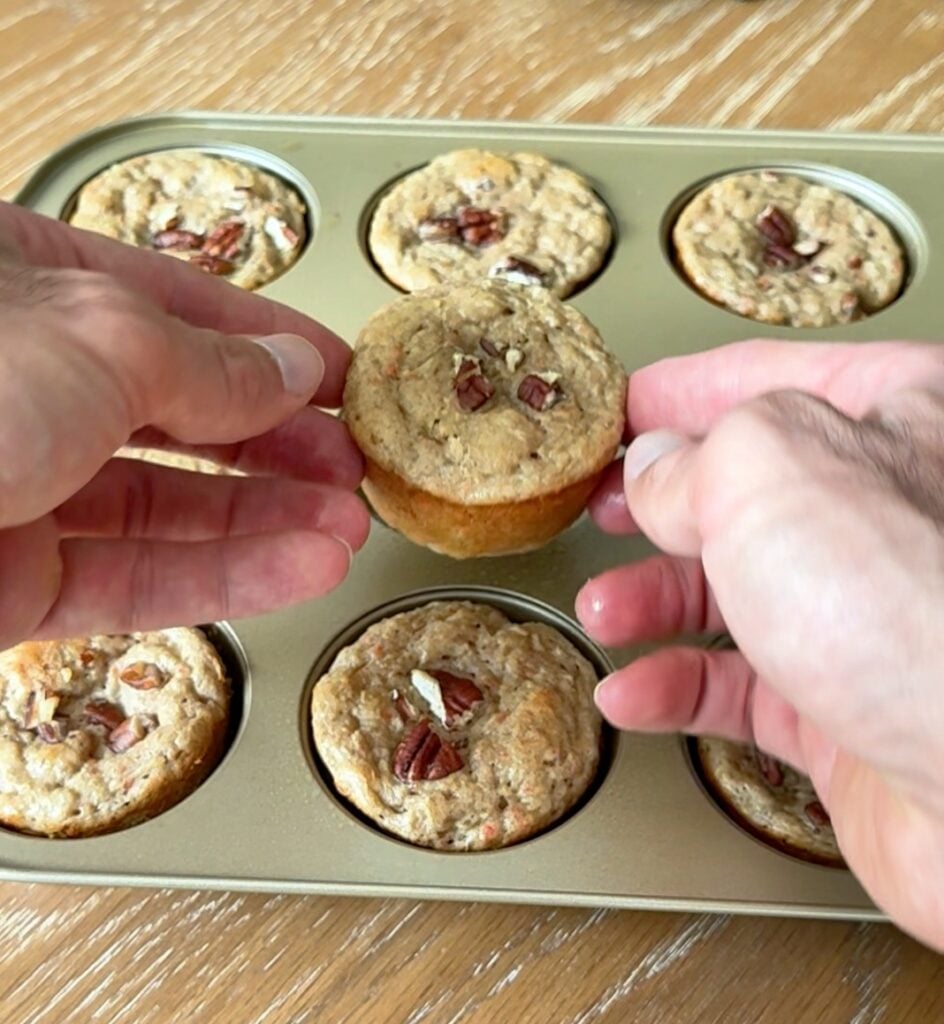
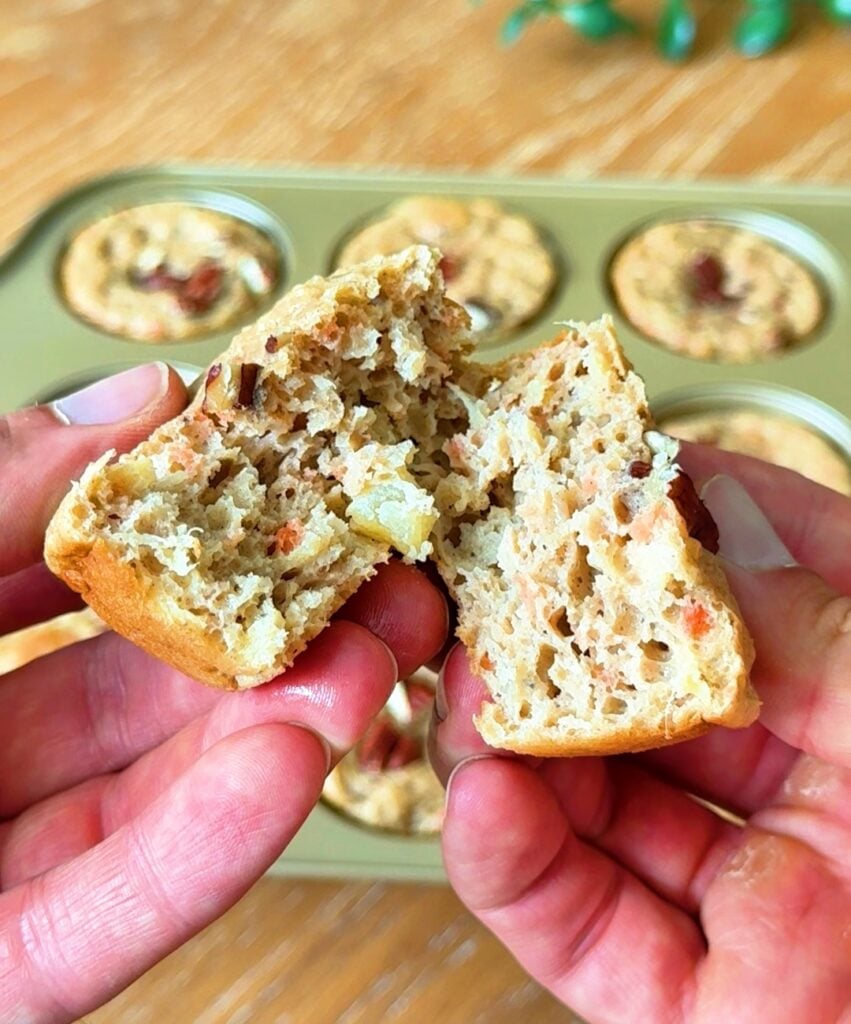
- Incredible Texture: The blended banana and cottage cheese create a rich, dense crumb that mimics a high-fat bakery cake, far superior to a standard diet cupcake version.
- Hidden Whole Foods: You get the benefits of fiber from the fruit and carrots, plus the calcium and slow-digesting casein from the cottage cheese.
- Fast Prep: Using the Beast Blender means the wet base is ready in 30 seconds, and the total bake time is under 20 minutes.
What makes High-Protein Carrot Cake Cupcakes special?
The secret to real carrot cake protein cupcakes is the balance between the warm spices (cinnamon, nutmeg, clove) and the moisture content of the wet ingredients. Standard recipes rely on a massive amount of vegetable oil to keep the crumb from drying out. In this version, we replace that oil entirely. The interaction between the enzymes in the pineapple and the proteins in the vanilla protein powder creates a unique “melt-in-your-mouth” quality that you rarely find in fitness-focused baking. It can be a smart option if you want a protein-forward dessert without the heavy fats of a standard bakery item, giving you the authentic flavor profile of a classic cake but engineered for performance.
The Frosting Strategy for Carrot Cake Protein Cupcakes
You cannot talk about carrot cake without talking about frosting. While these cupcakes are phenomenal on their own, adding a topping elevates them to true bakery status. I highly recommend making a quick frosting using low fat cream cheese or Greek yogurt mixed with a half scoop of vanilla protein powder and a drizzle of honey. This gives you that signature tanginess without piling on empty calories.
Key Equipment Focus
Beast Blender: You cannot skip the blending step. If you leave the cottage cheese lumpy, the cupcakes will have white spots and an uneven bake. This blender emulsifies the eggs, banana, and cheese into a perfect liquid base.
Digital Kitchen Scale: Precision is everything. Since we are using exactly 7.6 oz (half a box) of cake mix and 30g of protein, “guessing” with cups will lead to a dry cupcake. Weigh your ingredients to get the exact texture I intended.
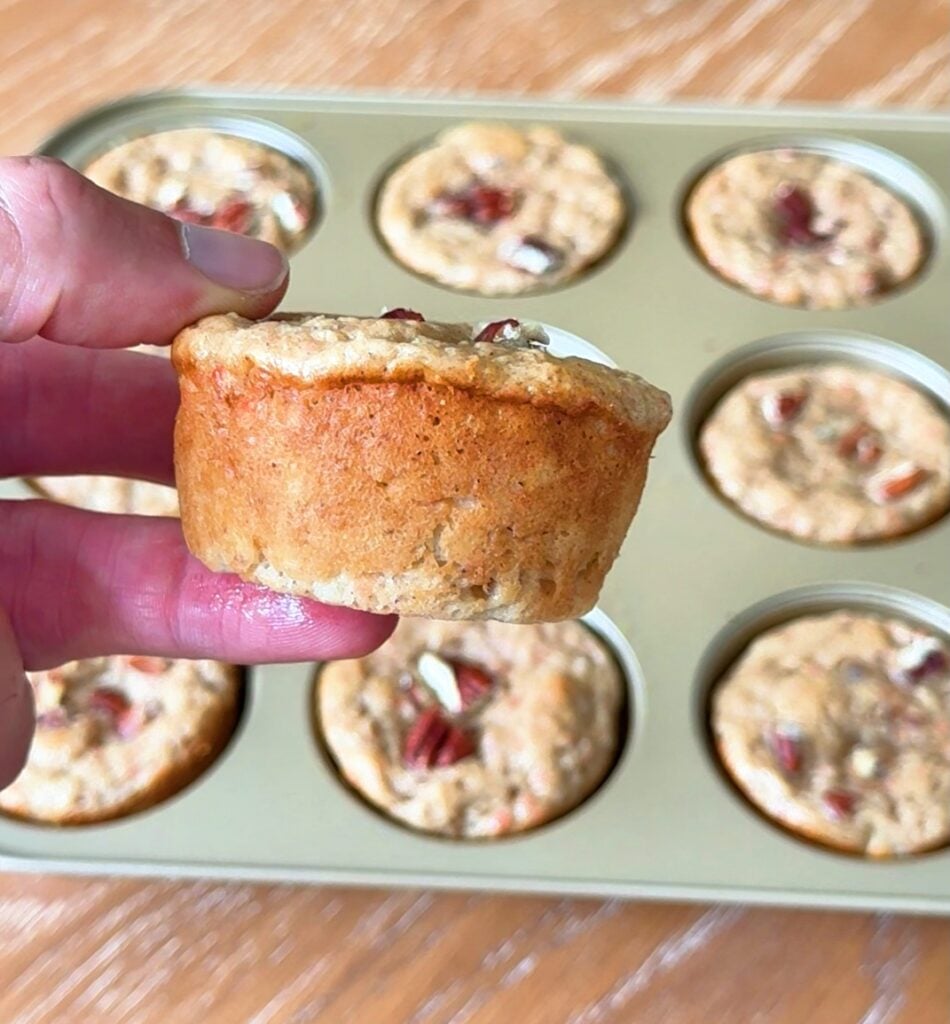
12-Cup Muffin Tin: To achieve a proper rise, you need a tin with good heat conductivity. This ensures the edges set early, forcing the leavening agents to push the center upward for that perfect domed top.
Silicone Spatula Set: When you add the crushed pineapple and vanilla protein powder, you want to fold them in gently. A silicone spatula allows you to scrape the bottom of the bowl without over-agitating the batter.
Ingredient Deep Dive & Strategy
- Low-Fat Cottage Cheese: This serves as our fat replacement and primary protein boost. When blended, it provides a “buttermilk” effect that reacts perfectly with the leavening agents.
- Nutricost Protein Powder Vanilla Protein Powder: I always recommend a Whey/Casein blend. The casein adds essential “bulk” and prevents the cupcakes from shrinking or becoming rubbery as they cool in the refrigerator.
- The Flour Factor: Using a boxed cake mix provides the base structure (usually made of all purpose flour or regular flour). If you try to swap this directly for almond flour or coconut flour without adjusting the liquid, the recipe will fail. Coconut flour is highly absorbent, and almond flour adds heavy fats. If you need a substitute for the box mix, use a dedicated 1-to-1 gluten free baking flour.
- Crushed Pineapple (with juice): The juice provides the liquid for the batter, while the crushed fruit adds fiber and a hit of natural sweetness.
- Ripe Banana: This acts as a natural binder. The starch in the banana helps stabilize the crumb, making it sturdy enough to hold a pecan topping.

Tools I Use for This Recipe

Suggested Duncan Hines Carrot Cake Mix
A readily available carrot-cake mix option; texture and nutrition may vary by brand.

Suggested Nutricost Vanilla Casein Protein Powder
A budget-friendly protein option for adding structure; texture and flavor may vary by protein type and brand.

Suggested Wilton 12-Cup Muffin Pan
A standard-size pan option for baking the full batch evenly; browning may vary by pan.
This post contains affiliate links. As an Amazon Associate, I earn from qualifying purchases.
High-Protein Carrot Cake Cupcake Step by Step Instructions
1. Prep the oven and pan:
Preheat your oven to 350°F (175°C). Line your 12-Cup Muffin Tin with paper liners or spray it generously with non-stick spray.
Pro Tip: Even with “non-stick” pans, protein batters tend to stick more than traditional ones. Using liners is the safest bet for a clean release.
2. Create the liquid base:
In your Beast Blender, combine the cottage cheese, eggs, and ripe banana. Blend on high until the mixture is completely smooth and looks like a thick pale-yellow cream.
3. Combine the dry and wet:
In a large mixing bowl, weigh out your carrot cake mix and your Nutricost Protein Powder vanilla protein powder using your Digital Kitchen Scale. Pour in the blended mixture and the crushed pineapple (including all the juice from the can).
4. Fold gently:
Using a Silicone Spatula, stir the ingredients together until just combined. You should stop as soon as you see no more dry streaks of flour.
Pro Tip: Overmixing at this stage will develop too much gluten and make your high protein cupcake tough. Keep it light and quick.
5. Fill and garnish:
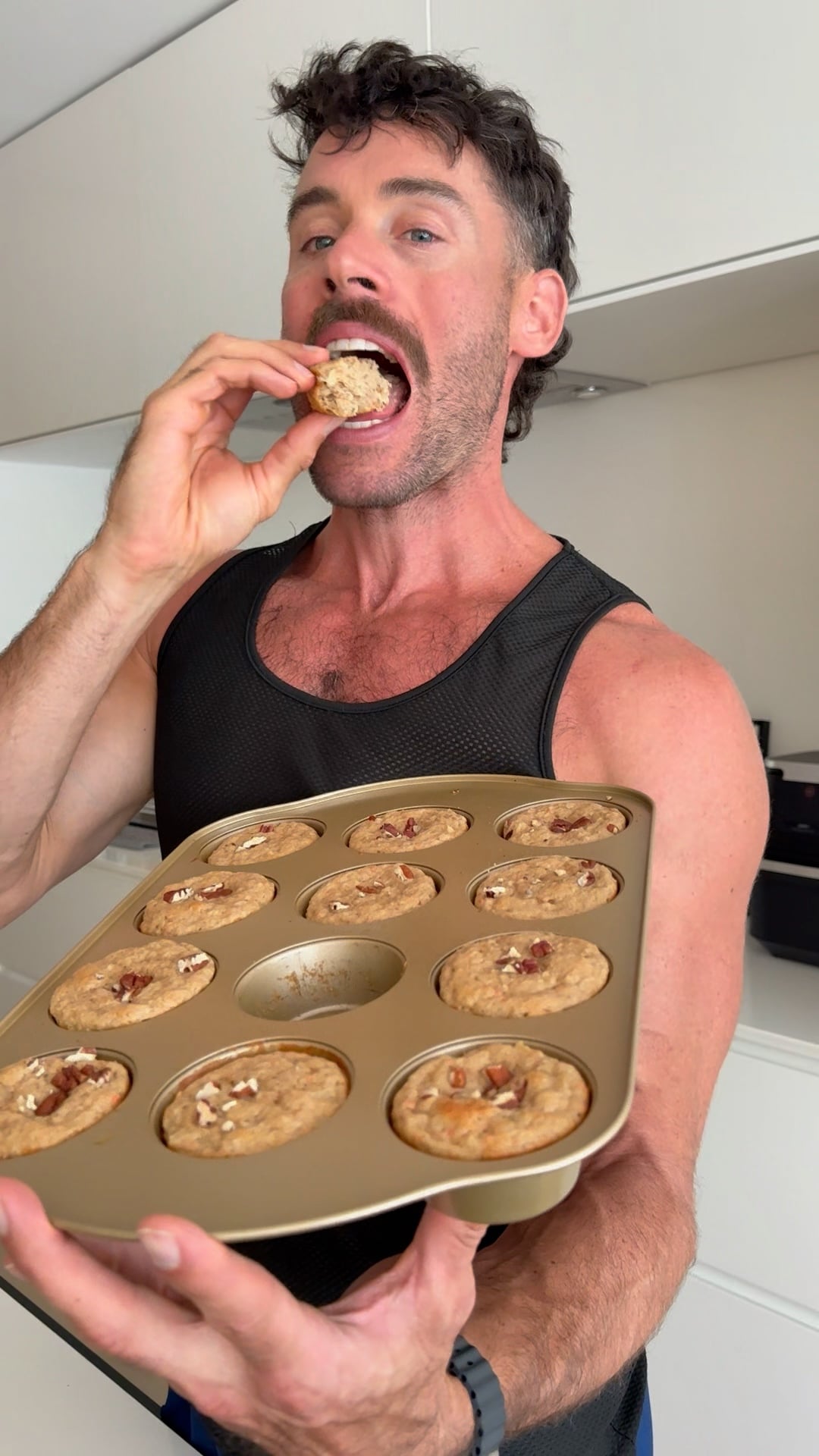
Divide the batter evenly among the 12 cups. Place one whole pecan half on top of each cupcake. This adds a necessary healthy fat and a satisfying crunch.
6. Bake and test:
Bake for 16–20 minutes. Start checking at the 16-minute mark by inserting a toothpick into the center of the middle cupcake. If it comes out clean or with just a few moist crumbs, they are done.
7. Cool for structure:
Let the cupcakes sit in the hot pan for 5 minutes before moving them to a wire rack. This carry-over cooking time helps set the protein structure so they don't collapse.
Troubleshooting & FAQ
Is this good for weight loss?
No single recipe causes weight loss, but this can be a helpful option if you are looking for a lower-calorie, higher-protein dessert that still feels satisfying without relying on heavy oils.
Is this recipe blood-sugar-conscious?
This recipe is made to be lower in fat and higher in protein than many traditional desserts. That can make it a more balanced sweet snack, but individual blood sugar responses vary depending heavily on the specific boxed cake mix you choose to use as the base.
Is carrot cake any healthier than regular cake?
Generally, a standard bakery carrot cake is just as high in sugar, carbs, and oil as chocolate cake. However, this cupcake version is significantly healthier because we've eliminated the vegetable oil and added quality protein. By using whole food moisture sources, we've created a low calorie treat that actually supports your goals.
What can I use instead of sugar in carrot cake?
If you want to bake a cake without sugar, you can swap traditional mixes for a gluten free baking flour blended with monk fruit. In this specific recipe, the ripe banana and pineapple juice provide natural sweetness, meaning we don't have to add extra processed sugars to the base.
What happens when you bake a cake without sugar?
Sugar isn't just for sweetness; it's essential for moisture and browning. If you remove it entirely without adjusting the recipe, the cake can become dry or “bready.” That is why we use vanilla protein powder and fruit—they provide the sweetness and help maintain the tender texture that sugar usually provides.
What cake is ok for Ckd or high cholesterol?
Always consult your doctor, but baked goods that utilize egg whites, eliminate saturated fats like butter or coconut oil, and incorporate high-fiber whole foods generally fit better into restricted diets.

Substitutions Table
| Component | Swap Options |
| Cottage Cheese | Greek Yogurt (Plain, non-fat) |
| Ripe Banana | 1/2 cup Unsweetened Applesauce |
| Box Cake Mix | 1-to-1 Gluten Free Baking Flour (Plus 1 tsp baking powder & spices) |
| Sweetener Boost | Honey or Maple Syrup (if your protein is unsweetened) |
| Protein Powder | FitFlour (Adjust liquid slightly) |
Storage & Reheating
Refrigerator: Store in an airtight container for up to 5 days. Because they are portion-controlled, keeping them in the refrigerator helps maintain the moisture from the cottage cheese and fruit. They actually taste better on day two.
Freezer: These freeze beautifully. Wrap individual cupcakes in plastic wrap and store in a freezer bag for up to 3 months.
Reheating: If eating from the fridge, 10 seconds in the microwave makes them taste like they just came out of the oven. If frozen, thaw at room temperature for 1-2 hours.
You Might Also Like
If you love Muffin and Cake recipes as much as I do, these three hits from the archive are worth checking out next:



The Final Verdict & Share
These carrot cake protein cupcakes prove that you don't have to sacrifice flavor for fitness. They are easy to make, meal-prep friendly, and pack a serious nutritional punch without relying on heavy oils or regular flour alone. If you make these, tag me on socials—I want to see those fluffy bakes!
Nutrition note: This recipe is designed as a lighter, higher-protein, higher-fiber, and/or lower-sugar option compared to traditional desserts, but everyone's nutrition needs and blood sugar responses are different. If you manage diabetes, take GLP-1 medication, have had bariatric surgery, or follow a medical diet, use your own plan and check with your doctor or dietitian.
BAKE THIS NEXT

High-Protein Carrot Cake Cupcakes (Healthy Low Sugar)
Ingredients
- 7.6 oz Carrot Cake Mix (approx. 1/2 box)
- 2 Large Eggs
- 1 cup Low-Fat Cottage Cheese
- 1 medium Ripe Banana approx 1/2 cup mashed
- 3/4 cup Crushed Pineapple do not drain juice
- 30 g Vanilla Whey/Casein Protein Powder Whey/casein blend recommended
- 12 Pecan Halves for topping
Method
- Preheat oven to 350°F (175°C) and line a 12-cup muffin tin with paper liners.
- In a blender, combine the cottage cheese, eggs, and banana. Blend until the mixture is completely smooth and liquified.
- In a large bowl, add the carrot cake mix, protein powder, blended wet mixture, and crushed pineapple (with its juice).
- Stir gently with a spatula until just combined. Do not overmix.
- Divide the batter evenly into the 12 muffin cups. Place one pecan half on top of each.
- Bake for 16–20 minutes, or until a toothpick comes out clean.


Leave a Reply