
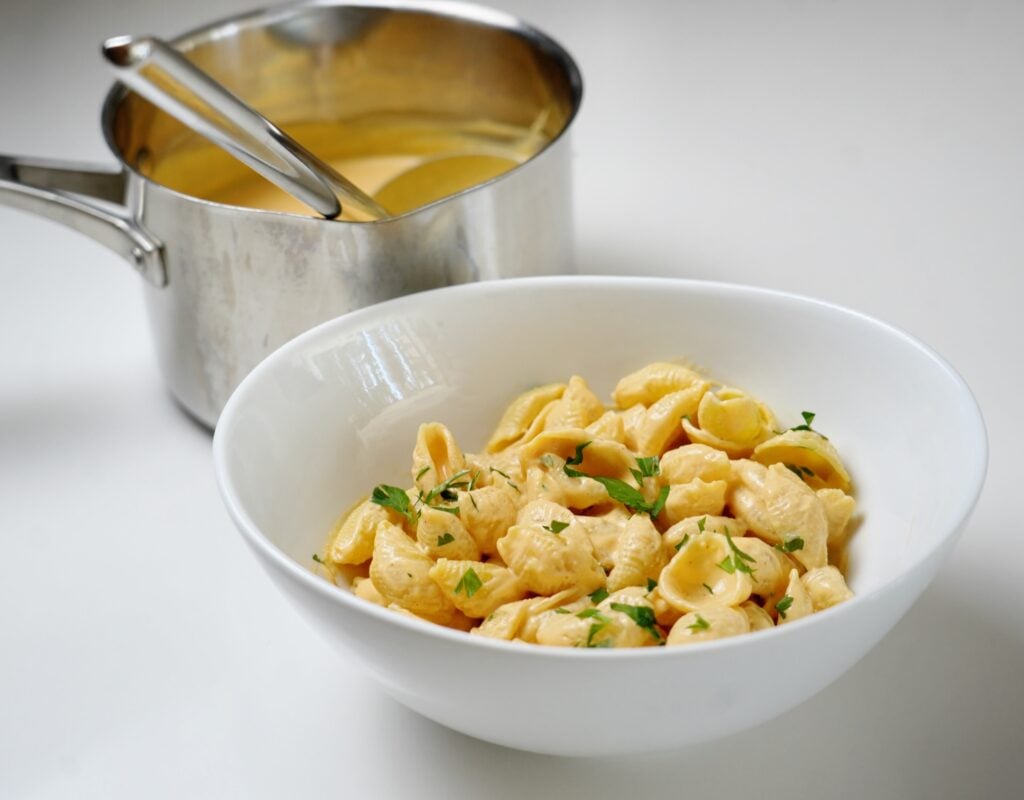
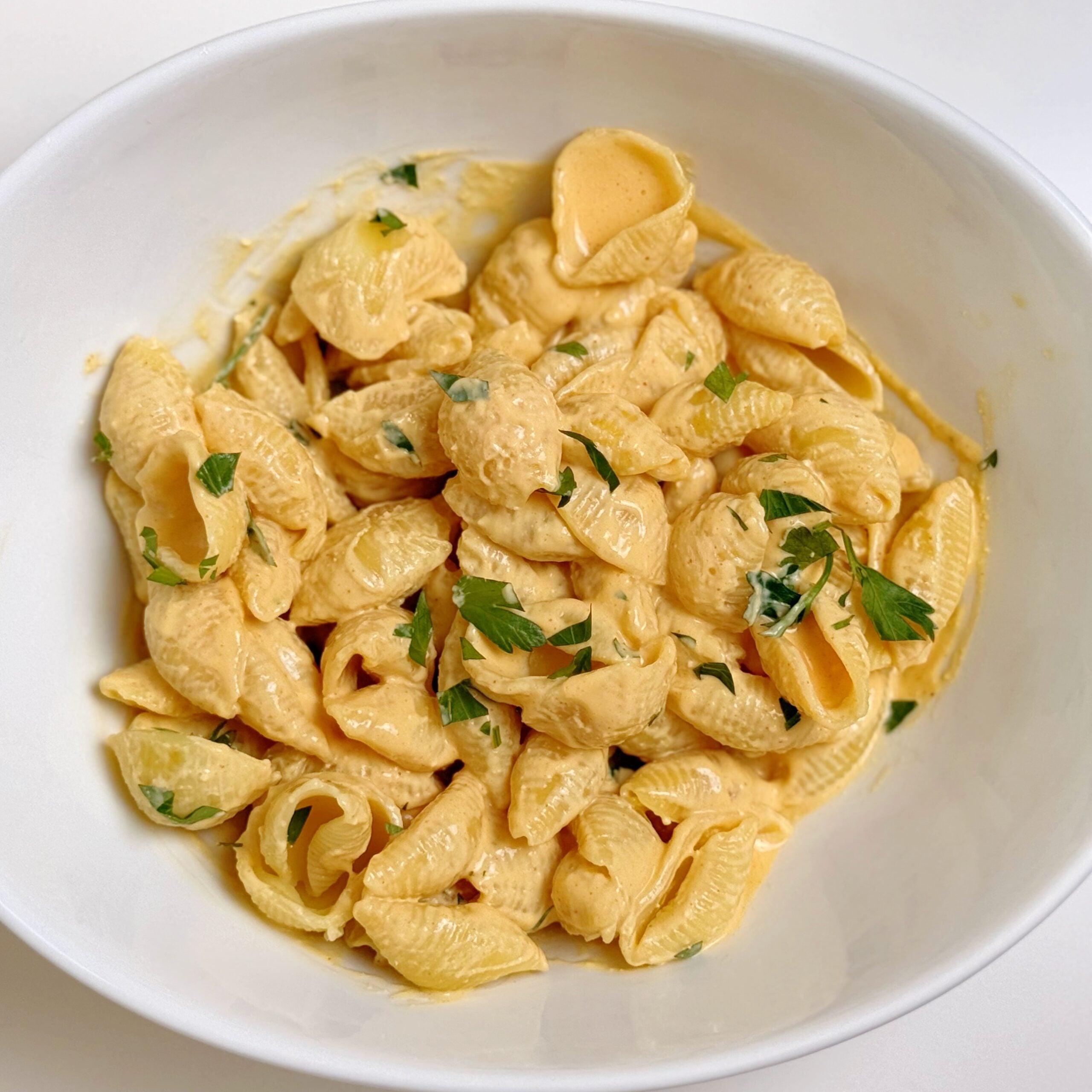
I know what you are thinking when you hear cottage cheese in a pasta sauce. You are worried it will be lumpy, sour, or taste like a sad diet food compromise. I am here to tell you that when you handle the heat correctly, fat-free cottage cheese transforms into an incredibly rich, velvety cheese sauce that rivals any traditional flour roux. This Cottage Cheese Mac and Cheese packs a massive protein punch without the heavy butter and flour base, making it a perfect muscle-building comfort food. We are skipping the complicated baking steps and keeping this entirely on the stovetop for a fast, creamy mac that satisfies real cravings.
If you're looking for other savory hits from the archive, try these:
The Low Heat Stovetop Strategy
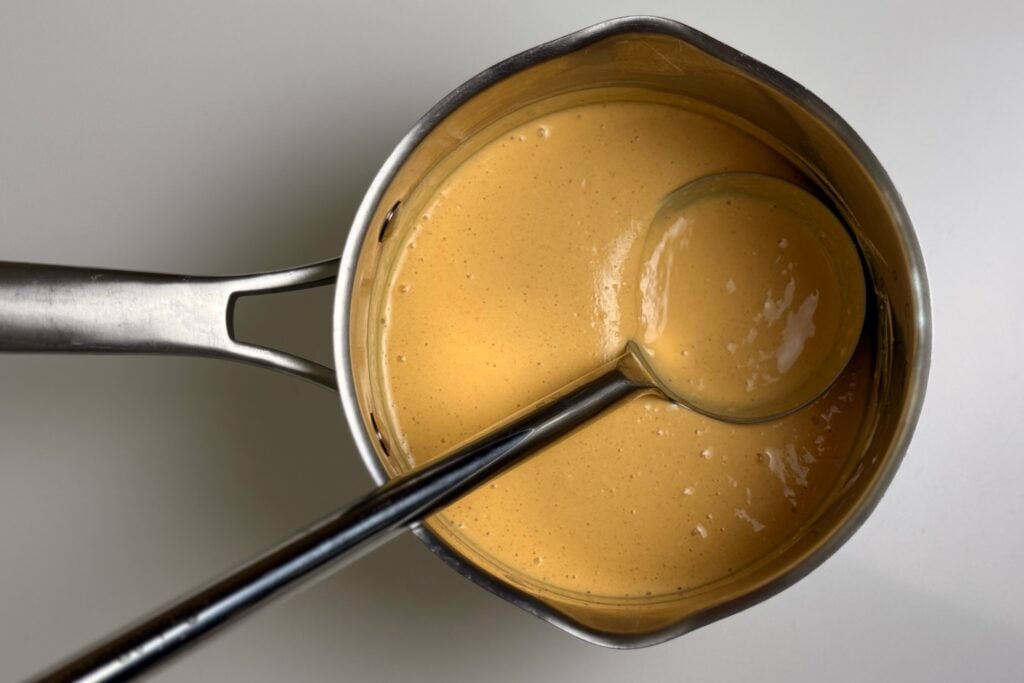
The secret to a flawless cottage cheese sauce is managing how it meets the pan. Cottage cheese is packed with dairy proteins that clump tightly and separate into a watery mess when exposed to aggressive, direct cooking temperatures. To prevent a grainy texture, we blend the cheese completely smooth while cold, then introduce it to a gentle, low-heat environment. By utilizing the starchy, warm pasta water as our primary tool to melt the cheese powder and hydrate the proteins gradually, we create a stable, smooth sauce that coats the macaroni perfectly without ever reaching a boil.
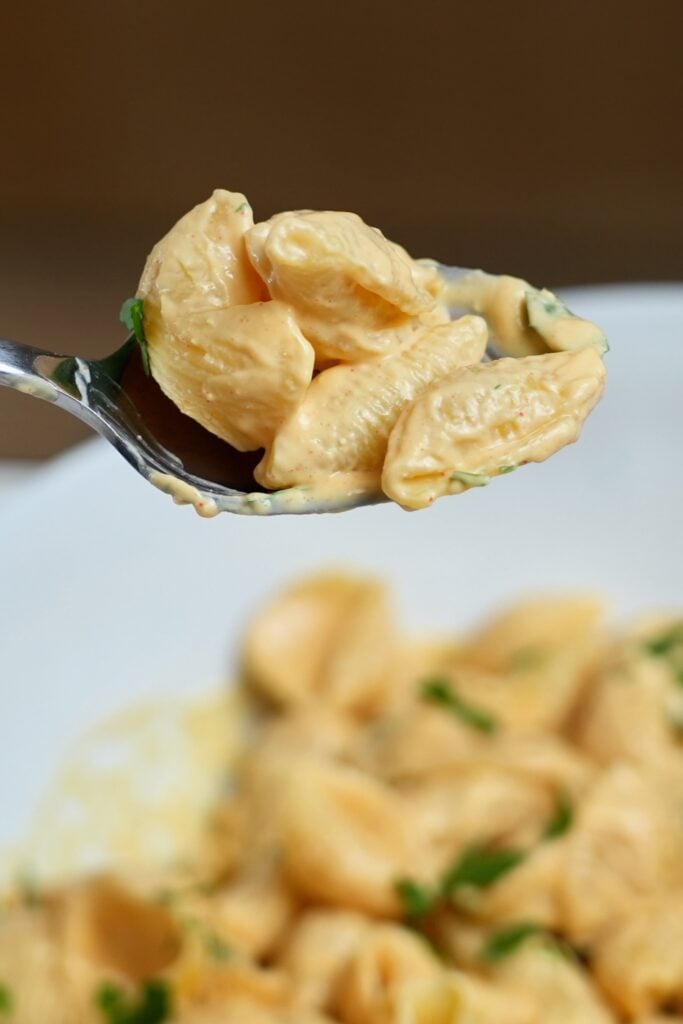
Why You'll Love This Recipe
- Exceptional Macro Efficiency: By replacing heavy cream and butter with a cup cottage cheese base, you get a massive dose of extra protein with minimal fat.
- Ultra-Velvety Texture: Blending breaks down the curd structure completely, turning humble ingredients into a smooth sauce that mimics a high-fat classic mac.
- Stovetop Convenience: This entire creamy mac comes together in the time it takes to boil your pasta, requiring zero oven time or complex baking steps.
- Authentic Sharp Flavor: The combination of cheddar cheese powder, nutritional yeast, and sharp cheddar cheese options provides that signature, nostalgic comfort food bite.
- Micronutrient Rich Profile: This recipe naturally delivers essential minerals like calcium, phosphorus, and selenium from the dairy solids.
What makes Cottage Cheese Mac and Cheese special?
The secret to a real cottage cheese mac is the ratio of starchy pasta water to the blended sauce solids, which creates a glossy texture without relying on a traditional flour-and-butter mixture. Standard cheese recipes often turn out dry or chalky because they overheat the pan or use too much cornstarch. By utilizing the ambient heat of the cooked pasta and a strict medium-low heat setting, the dairy proteins wrap around the noodles instead of breaking apart, maintaining a luxurious mouthfeel that even picky kids will love.
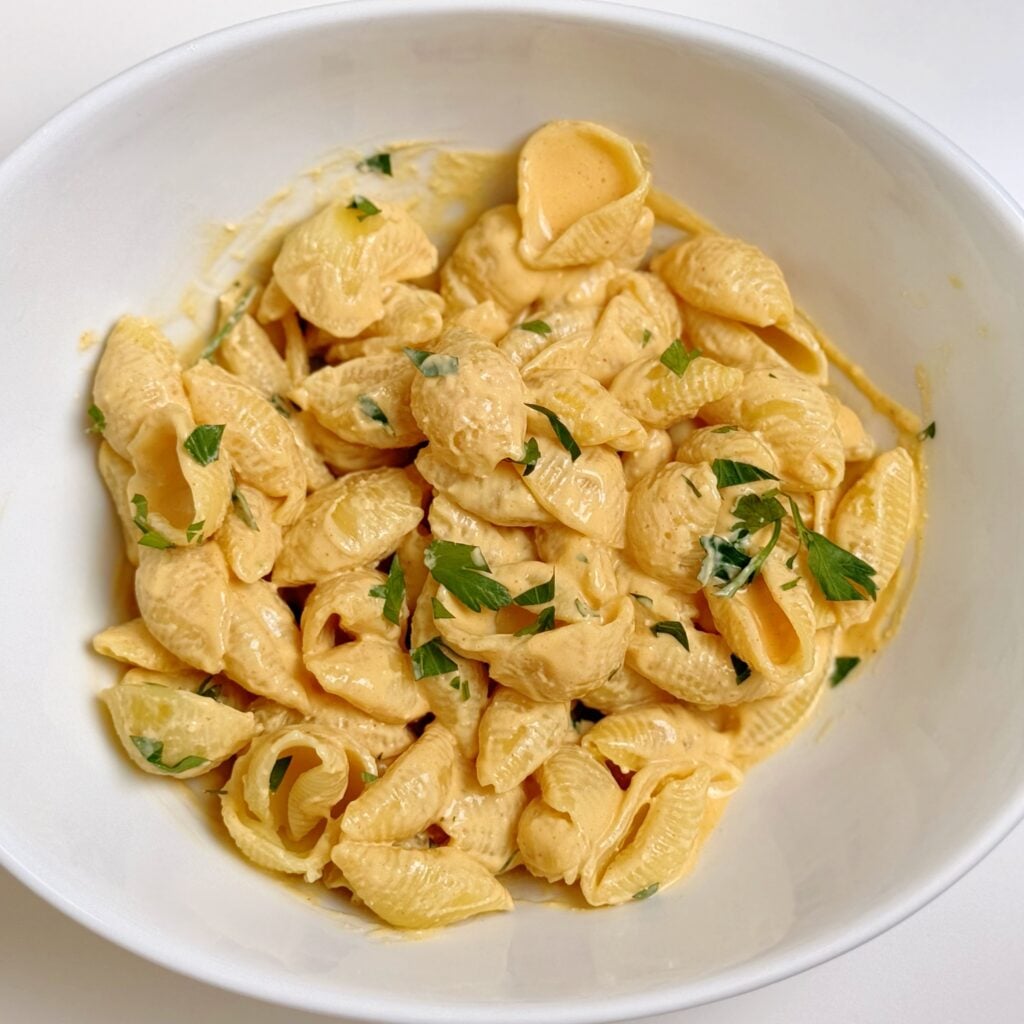
Key Equipment Focus
- Digital Scale: Liquid density and pasta volumes vary wildly by brand. Weighing your ingredients ensures your sauce-to-pasta ratio is structurally sound every single time.
- Beast Blender: To completely erase the curd texture, you need a high-powered blender that can shear the dairy solids into a completely uniform, smooth sauce.
- Silicone Spatula Set: A good silicone spatula is essential for scraping every drop of the blended sauce out of your blender jar and folding the cheese powder evenly into the pasta pot.
Ingredient Deep Dive & Strategy
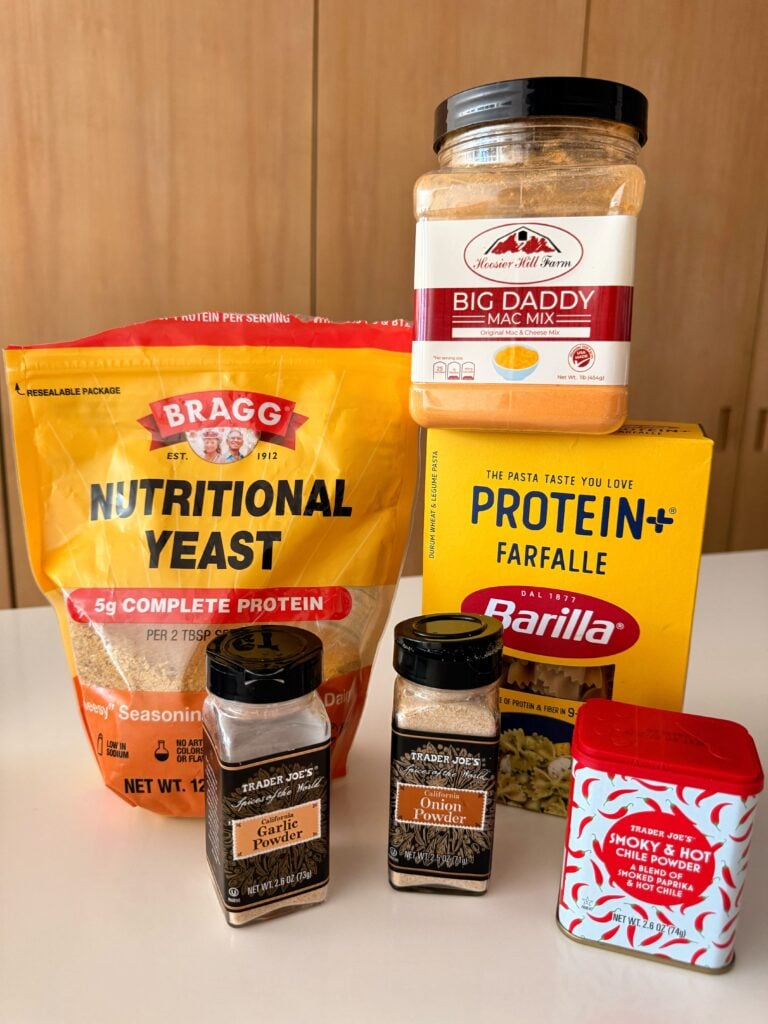
- Cheddar Cheese Powder: Provides intense cheese flavor and contains natural emulsifying salts that help bind the cottage cheese liquid into a cohesive cheese sauce.
- Nutritional Yeast: Adds depth, a distinct umami layer, and a savory complexity that enhances the natural sharp cheddar cheese notes.
- Fat-Free Cottage Cheese: Serves as the structural, high protein base of our sauce, replacing the traditional butter and flour roux while providing critical calcium and phosphorus.
- Mustard Powder: Acts as a natural flavor enhancer; the mild acidity cuts through the dairy and sharpens the perception of the classic cheese flavor.
Tools I Use for This Recipe

Suggested Hoosier Hill Farm Cheddar Cheese Powder
A convenient option for adding concentrated cheddar flavor to the sauce; results may vary by brand.
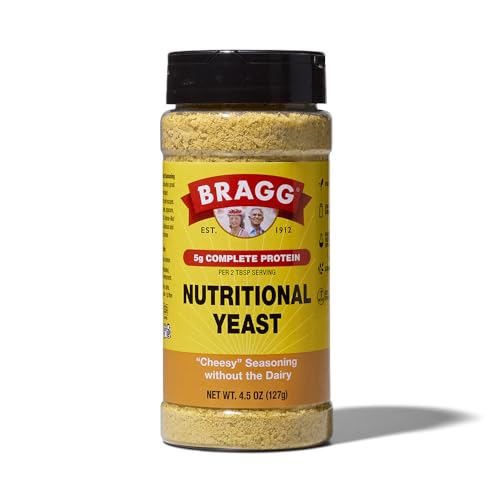
Suggested Bragg Nutritional Yeast Seasoning
A useful option for adding savory, cheesy flavor; results may vary by brand.

Suggested Beast Mighty 850 Plus Blender
A compact blender option for smoothing the cottage-cheese sauce; blending performance may vary by model.
This post contains affiliate links. As an Amazon Associate, I earn from qualifying purchases.
Cottage Cheese Mac and Cheese Step by Step Instructions
1. Cook the pasta: Bring a large pot of salted water to a boil. Add your choice of elbow macaroni, shells, or protein pasta, and cook until it hits a firm al dente texture.
PRO TIP: Do not overcook the macaroni. It will continue to absorb moisture when folded into the warm cheese sauce later, so keeping it firm prevents mushy noodles.
2. Reserve the starch: Before straining your cooked pasta, dip a measuring cup into the pot and save at least 1 cup of the hot, starchy pasta water. Drain the rest of the pasta and set the noodles aside.
3. Blend the dairy base: Add your cup cottage cheese and 1/2 cup milk (or 1/2 cup of the reserved pasta water) into your high-powered blender. Process on high speed for 45 to 60 seconds until the mixture turns into a completely smooth sauce with absolutely zero signs of curds.
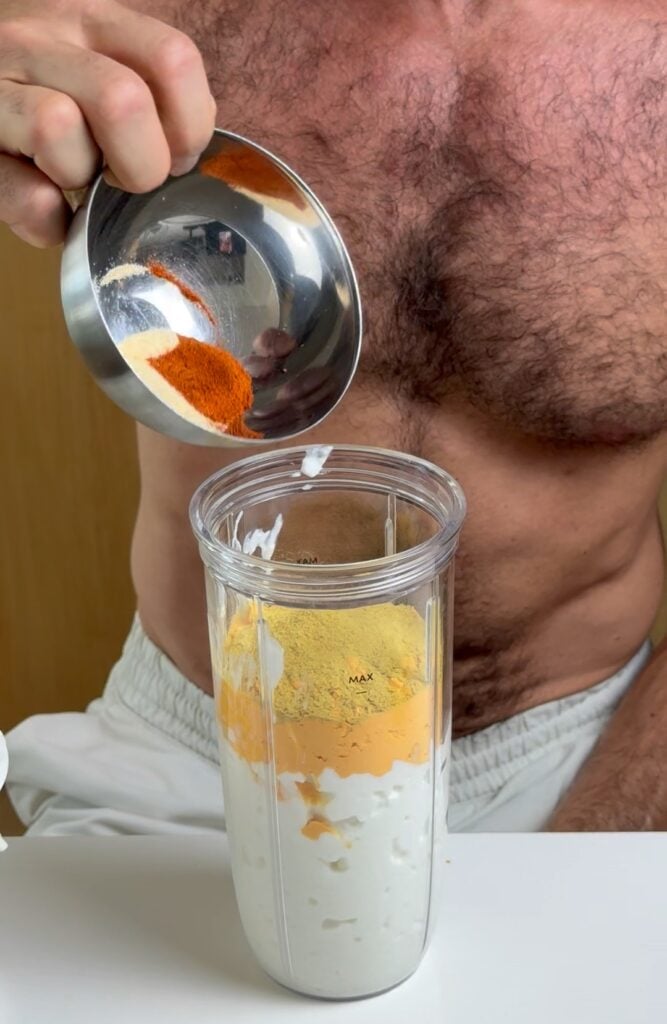
4. Combine on low heat: Wipe out your pasta pot and return it to the stovetop over medium-low heat. Pour in the blended sauce, then add the cheddar cheese powder, nutritional yeast, garlic powder, onion powder, paprika, mustard powder, and black pepper.
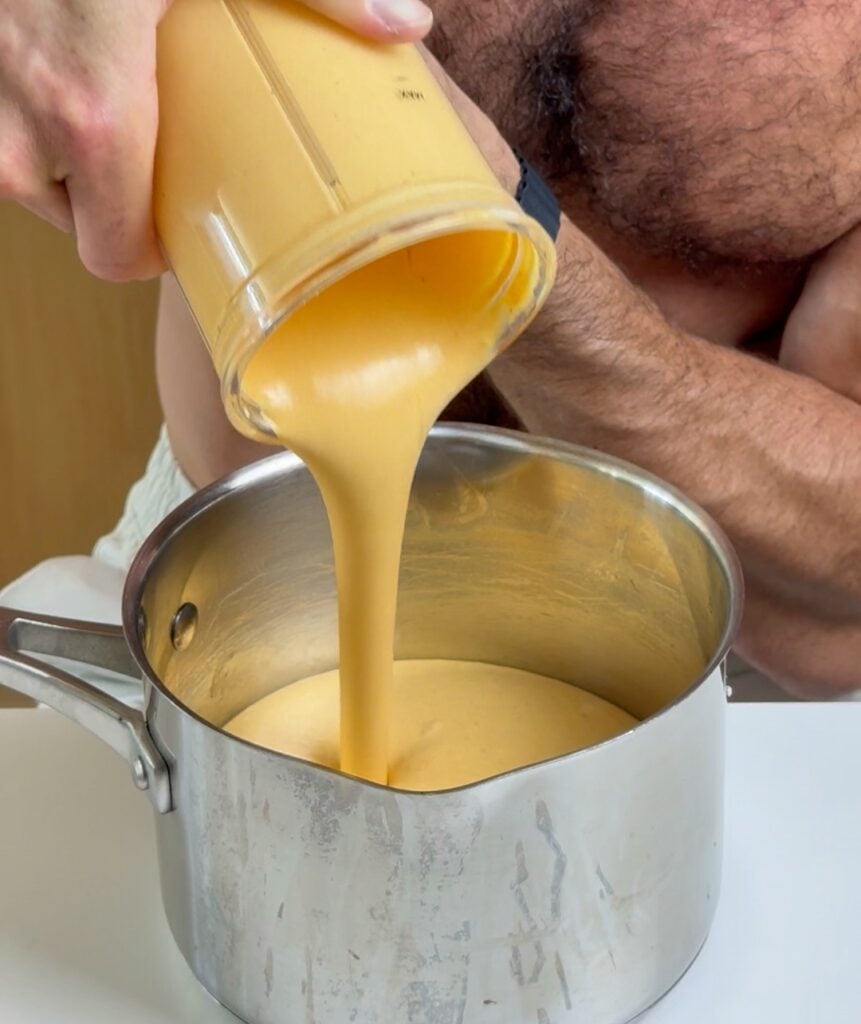
PRO TIP: Keep the pan on a low heat setting during this step. If you hear the sauce sizzling or bubbling hard, pull the pot off the burner immediately to avoid a grainy texture.
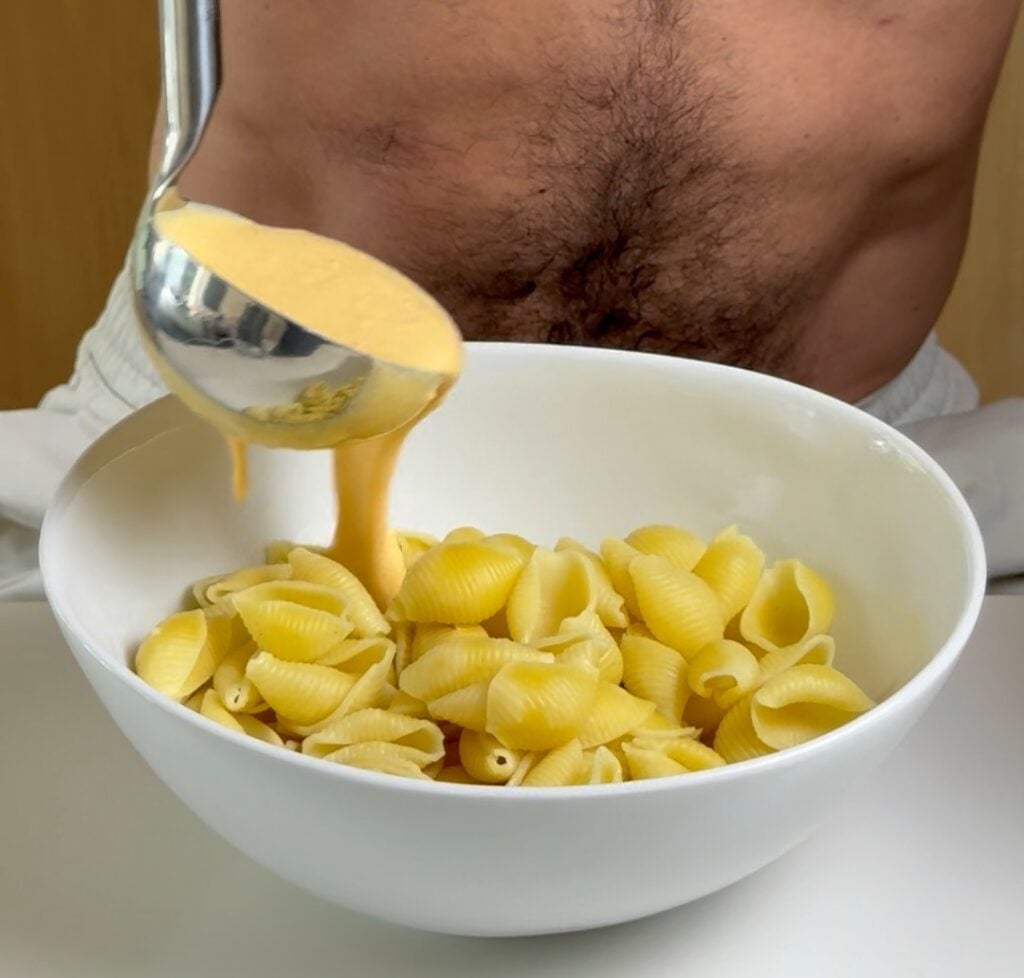
5. Adjust the emulsion: Whisk the sauce continuously over medium-low heat until it is warm and the cheese flavor is fully integrated. If using, stir in the optional shredded sharp cheddar cheese or extra cheese now. Gradually splash in your reserved pasta water, a few tablespoons at a time, until the sauce looks glossy and perfectly coats the back of a spoon.
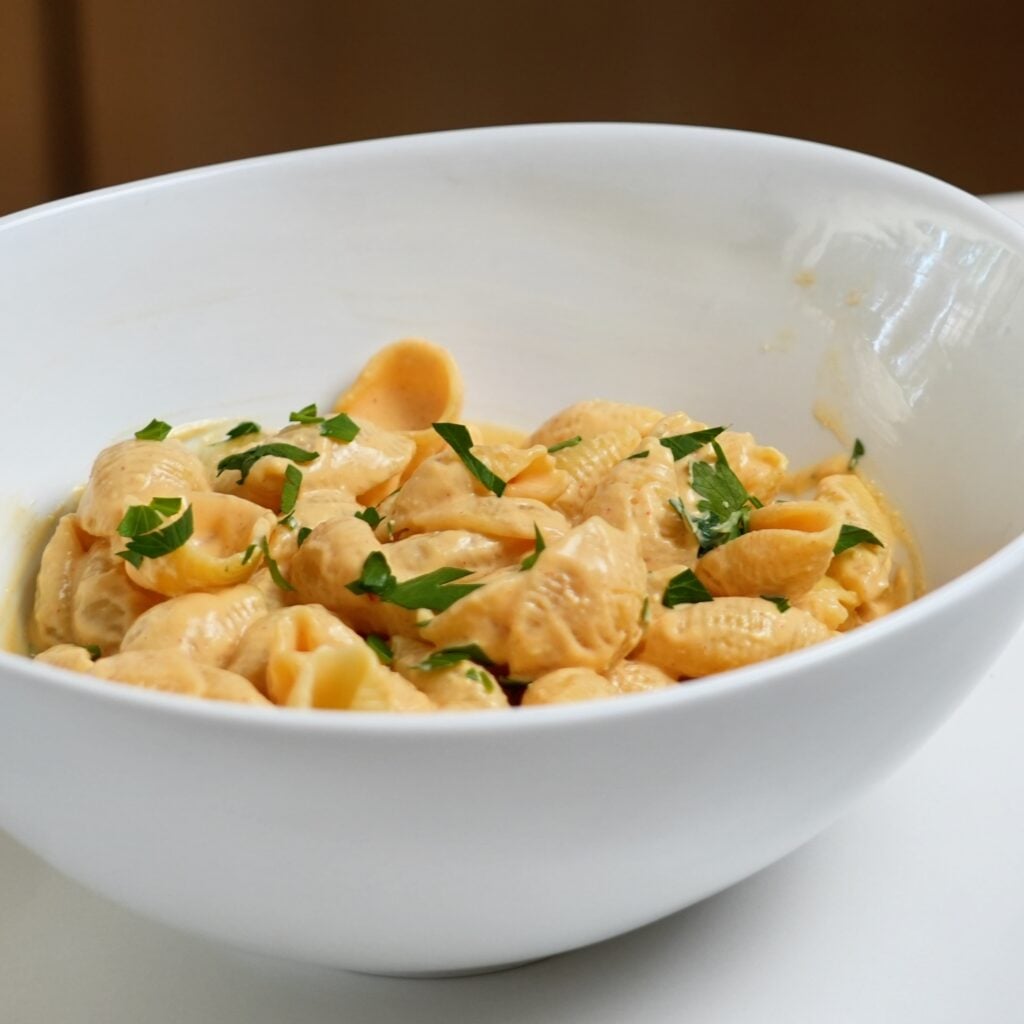
6. Toss and serve: Drop the cooked pasta back into the pot. Fold gently with a silicone spatula until every piece of macaroni is completely submerged in the creamy cheese sauce. Taste the pasta before adding any teaspoon salt, then serve immediately.
Troubleshooting & FAQ
What does adding cottage cheese to mac and cheese do?
Adding cottage cheese replaces the need for a traditional heavy cream or flour roux base. It provides a creamy texture and supplies a massive amount of extra protein, calcium, and phosphorus, turning a standard high-carb side dish into a muscle-building comfort food.
Will cottage cheese melt if I heat it?
Cottage cheese curds do not melt like regular cheddar cheese; instead, they will get warm and split into a watery mess if heated directly. The secret is that you must blend it completely smooth while cold first, then warm the smooth sauce gently over medium-low heat.
Can I use cottage cheese in mac and cheese instead of milk?
Yes, but you will still need a tiny splash of milk or starchy pasta water in the blender to help the blades catch and turn the thick curds into a perfectly fluid, smooth sauce.
How much cottage cheese should I add to box mac and cheese?
If you are upgrading a standard boxed mix, you can stir in about 1/2 cup cottage cheese (blended) along with a splash of milk to increase the creaminess and boost the total protein content of the meal.
My sauce is way too thick after adding the cheese powder. How do I loosen it?
Cheese powder absorbs liquid rapidly. Simply stir in a splash of milk or a few tablespoons of your reserved warm pasta water into the pot over low heat until the sauce regains its smooth, glossy look.
Can a diabetic eat macaroni and cheese?
Standard white flour pasta can cause a rapid spike in blood sugar. To make a more diabetic-friendly version, swap the classic macaroni for chickpea pasta, lentil pasta, or a high-fiber alternative, as the extra protein from the cottage cheese also helps slow down glucose absorption.
Substitutions & Add-Ins Table
| Component | Swap Options |
| Elbow Macaroni | Shells, Chickpea Pasta, Protein Pasta, or fiber-rich alternative |
| Cheddar Cheese Powder | White Cheddar Powder, extra Nutritional Yeast, or real shredded sharp cheddar cheese |
| Cup Milk | Almond milk, Fairlife, low-fat milkfat cottage cheese liquid, or pasta water |
| Green Add-ins | Fold in steamed broccoli florets, chopped spinach, or green peas at the very end |
Storage & Reheating
Store any leftover cottage cheese mac in an airtight container in the fridge for up to 3 days. When you are ready to eat it, do not microwave it on high heat or you will split the delicate protein structure. Instead, place the leftovers in a pot over low heat, add a splash of milk to restore the moisture, and stir constantly until it is just warmed through.
You Might Also Like
If you love hitting your fitness goals with classic comfort food dishes as much as I do, these three hits from the archive are worth checking out next.
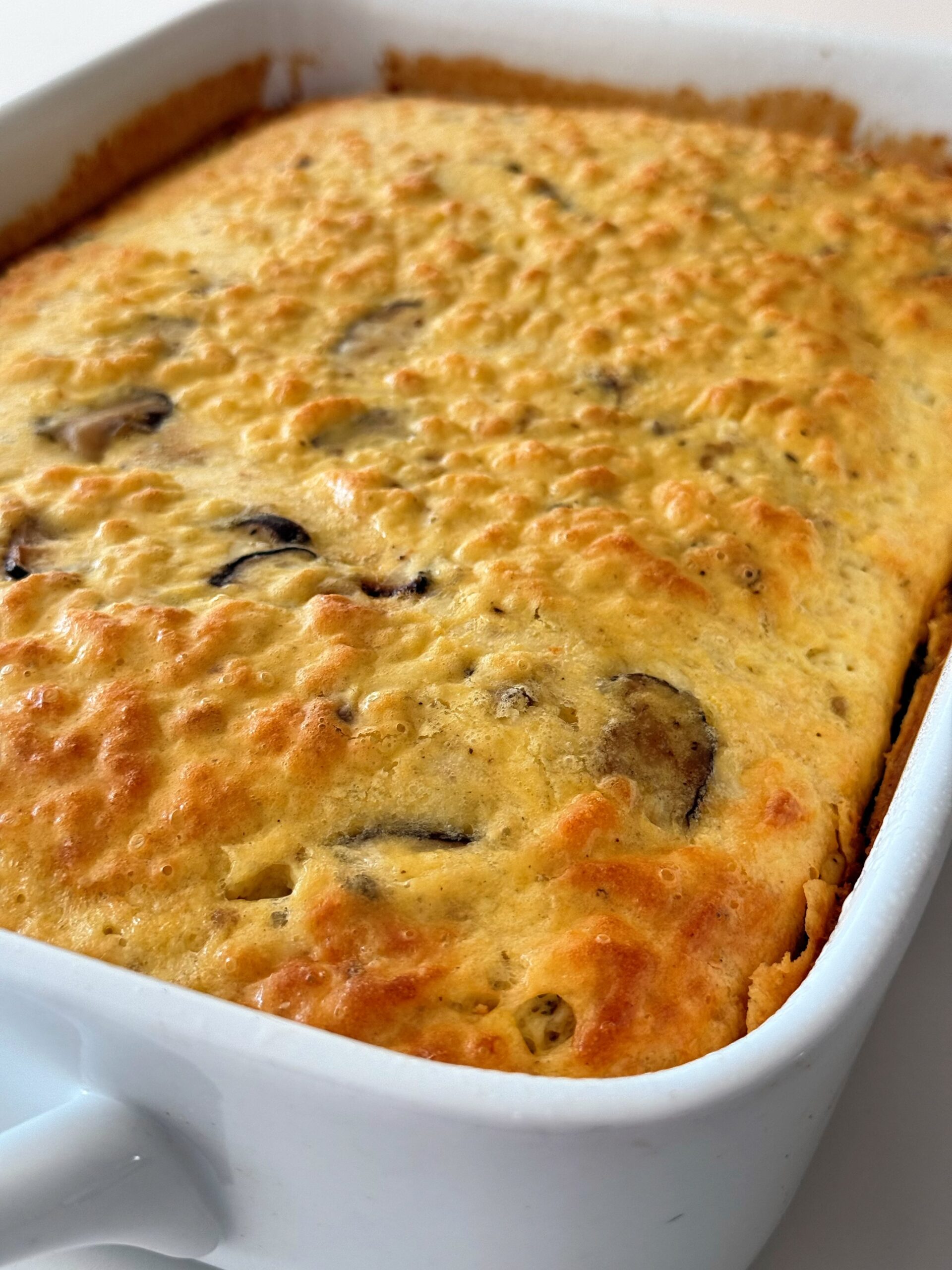
- The Best Cheese Egg Casserole High Protein And Low Carb
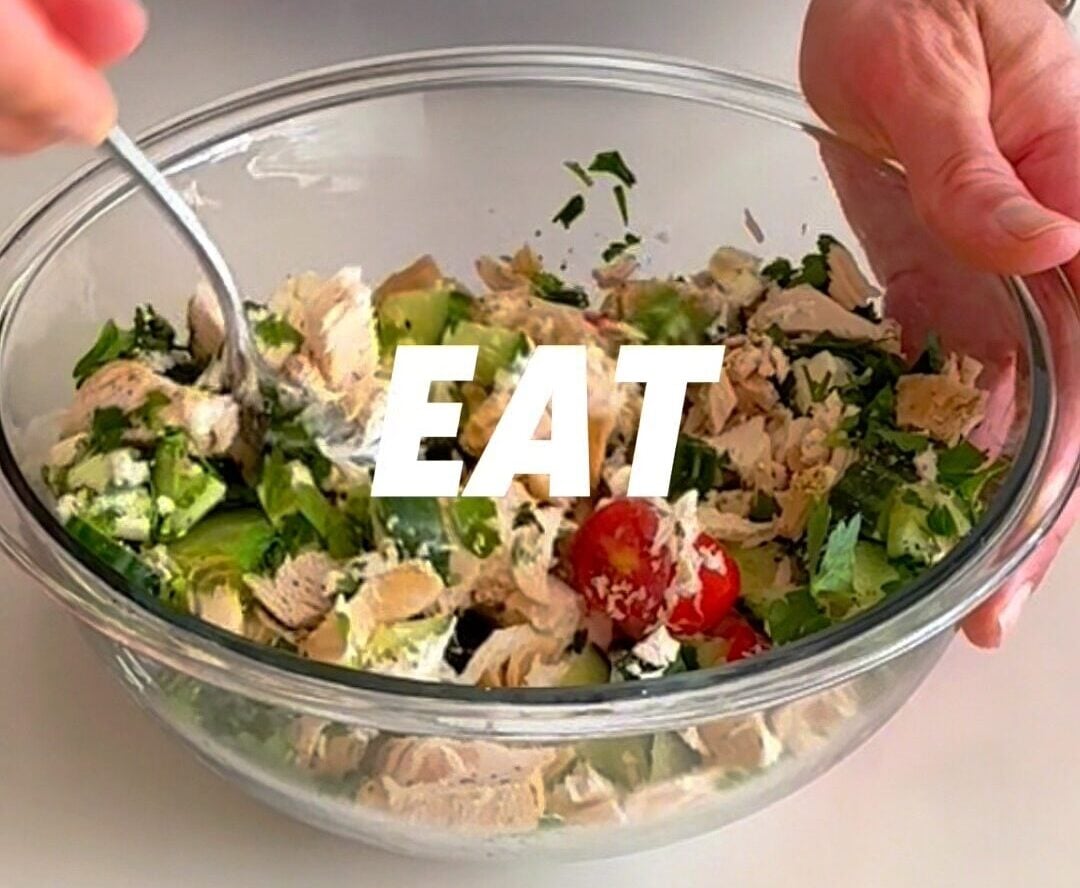
- High Protein Mediterranean Chicken Salad 90g Protein Meal
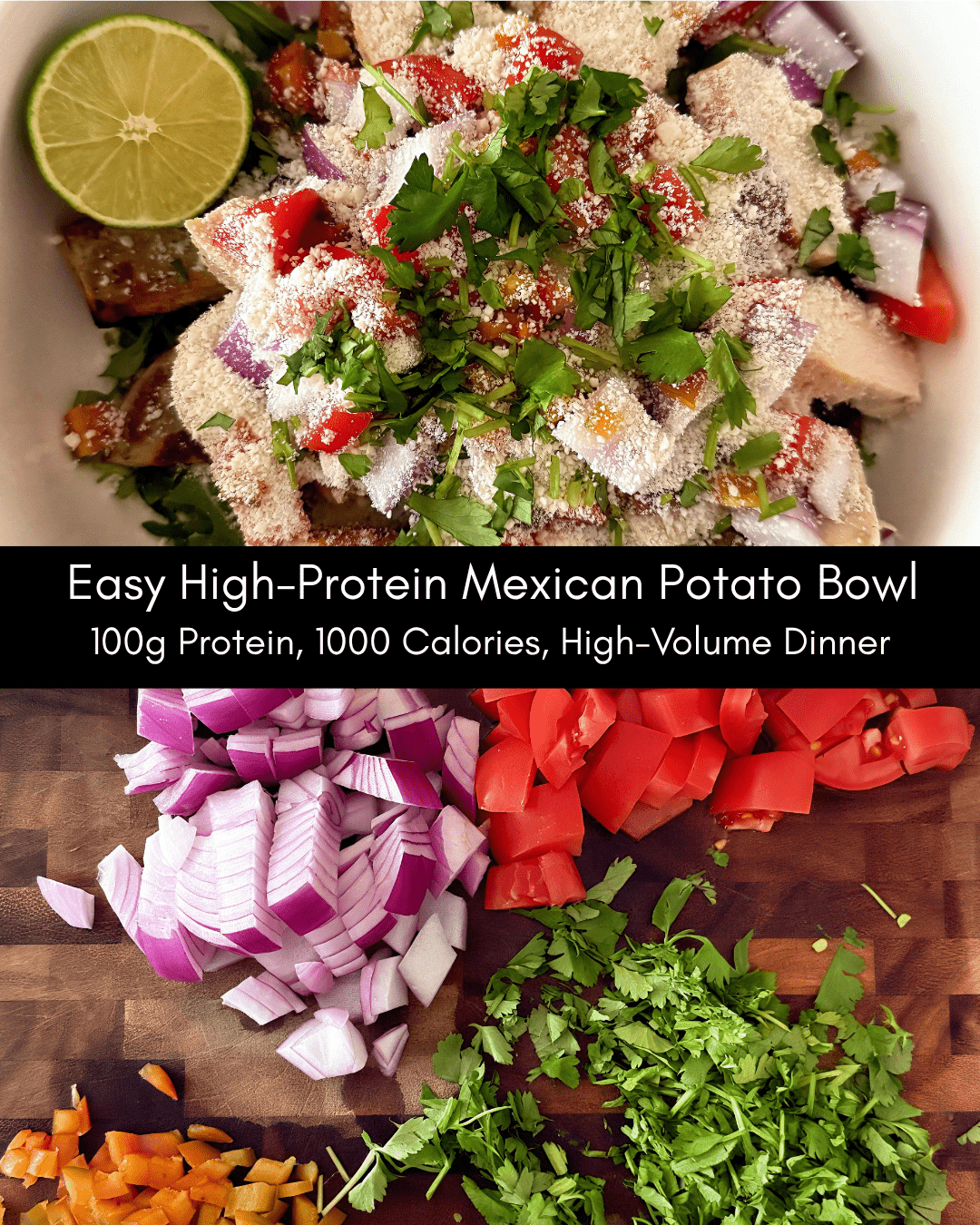
- Easy High Protein Mexican Chicken Potato Bowl
The Final Verdict & Share
This is how you get a high protein mac and cheese without resorting to chalky protein powders or dry textures. Hit your daily goals, enjoy a rich bowl of real comfort food, and stop settling for bad alternatives. If you cooked this up, snap a photo and share it with me on Instagram so I can see your creation!
BAKE THIS NEXT
Cottage Cheese Mac and Cheese (Healthy, High Protein Recipe)
Ingredients
- 8 oz elbow macaroni, shells, protein pasta, or chickpea pasta
- 1 1/2 cups fat-free cottage cheese
- 1/2 cup milk, almond milk, Fairlife, or pasta water
- 1/3 cup reserved pasta water plus more as needed
- 25-30 g cheddar cheese powder
- 1 tbsp nutritional yeast
- 1/2 tsp garlic powder
- 1/2 tsp onion powder
- 1/4 tsp smoked paprika or regular paprika
- 1/4 tsp mustard powder or 1 tsp Dijon mustard
- to taste Black pepper
- only if needed Salt
- 1/4 tsp turmeric for stronger yellow color
- 1/4 cup shredded reduced-fat cheddar for a more real mac texture
Method
- Boil the pasta in salted water until al dente according to package instructions. Before draining, carefully save at least 1 cup of the hot pasta water.
- Add the fat-free cottage cheese and 1/2 cup of milk (or 1/2 cup pasta water) to your blender. Process on high speed until completely liquid and uniform with zero remaining curds.
- Return the empty pasta pot to the stove over medium-low heat. Pour in the blended cottage cheese sauce, followed by the cheddar powder, nutritional yeast, garlic powder, onion powder, paprika, mustard powder, and black pepper.
- Stir gently and continuously over medium-low heat until the sauce becomes warm and uniform. Do not allow it to boil or heat up aggressively, as this causes dairy proteins to separate.
- Slowly Server your reserved pasta water, a few tablespoons at a time, until the sauce develops a glossy, coat-the-spoon consistency. Add the optional shredded cheese now if using.
- Add the cooked pasta back into the pot. Fold gently with a spatula until completely covered. Taste the final dish before adding salt, then plate immediately.
Nutrition
Notes
Cottage Cheese Mac and Cheese Tips & Expert Strategy
TEXTURE AND MOUTHFEEL: This sauce is designed to be ultra-velvety, thick, and smooth. To achieve this, your blender must process the cottage cheese until completely liquified; any remaining curds will ruin the emulsion when heated. SUBSTITUTION WARNING: Do not skip the low-heat mandate. If you try to speed up the process by cranking the heat to high, the casein proteins in the fat-free cottage cheese will immediately clump and turn watery, destroying your cream sauce. THE BETTER LATER RULE: Pasta naturally absorbs liquid as it sits. If you store this for meal prep, it will thicken significantly in the fridge. Reheat it exclusively on low power with a splash of milk or water to loosen the structure back up. PROFESSIONAL FINISHING TOUCH: Serve this hot immediately after tossing. Top with a crack of fresh black pepper or a tiny sprinkle of smoked paprika to enhance the visual appeal and cut through the richness of the cheese base.Tried this recipe?
Mention or tag @bakedlean!One response to “Cottage Cheese Mac and Cheese (Healthy, High-Protein Recipe)”


Wanted comfort food after the beach and made this… Oh. My. Gosh!!! Delicious, creamy, cheesy and oh so good for the heart!!! New fan…. Loving IT!


Leave a Reply