
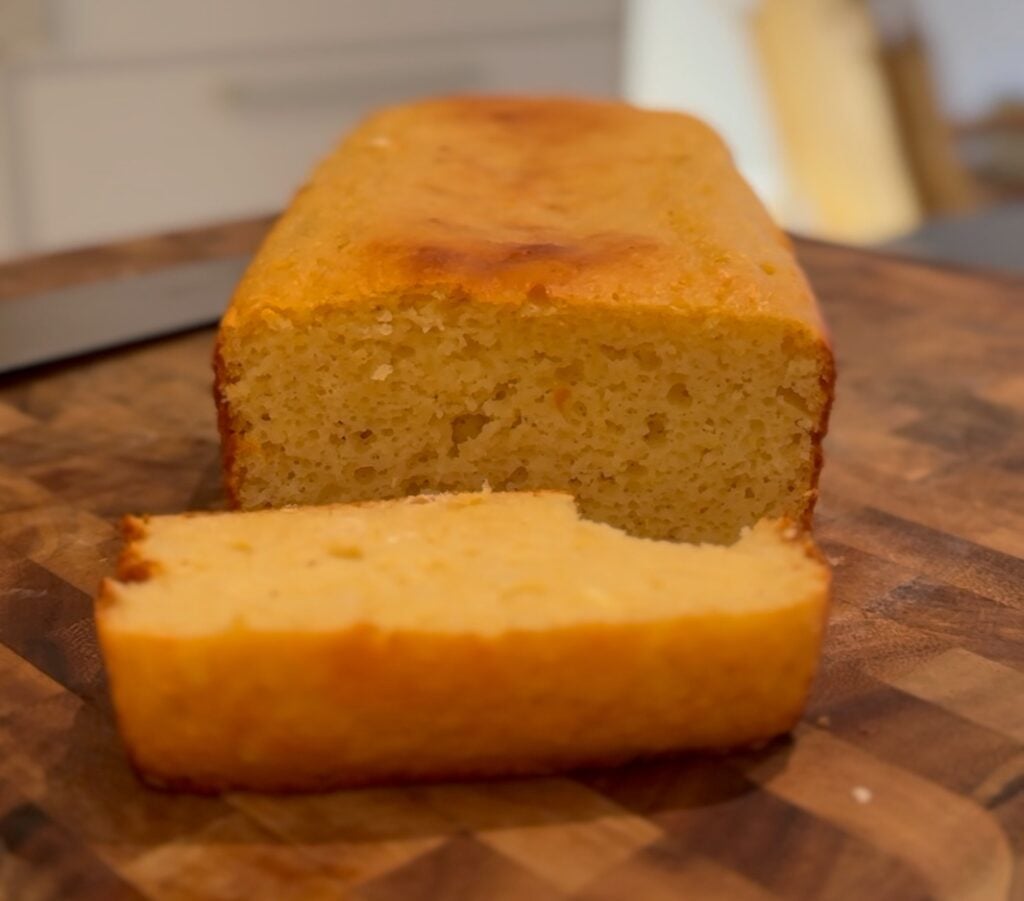
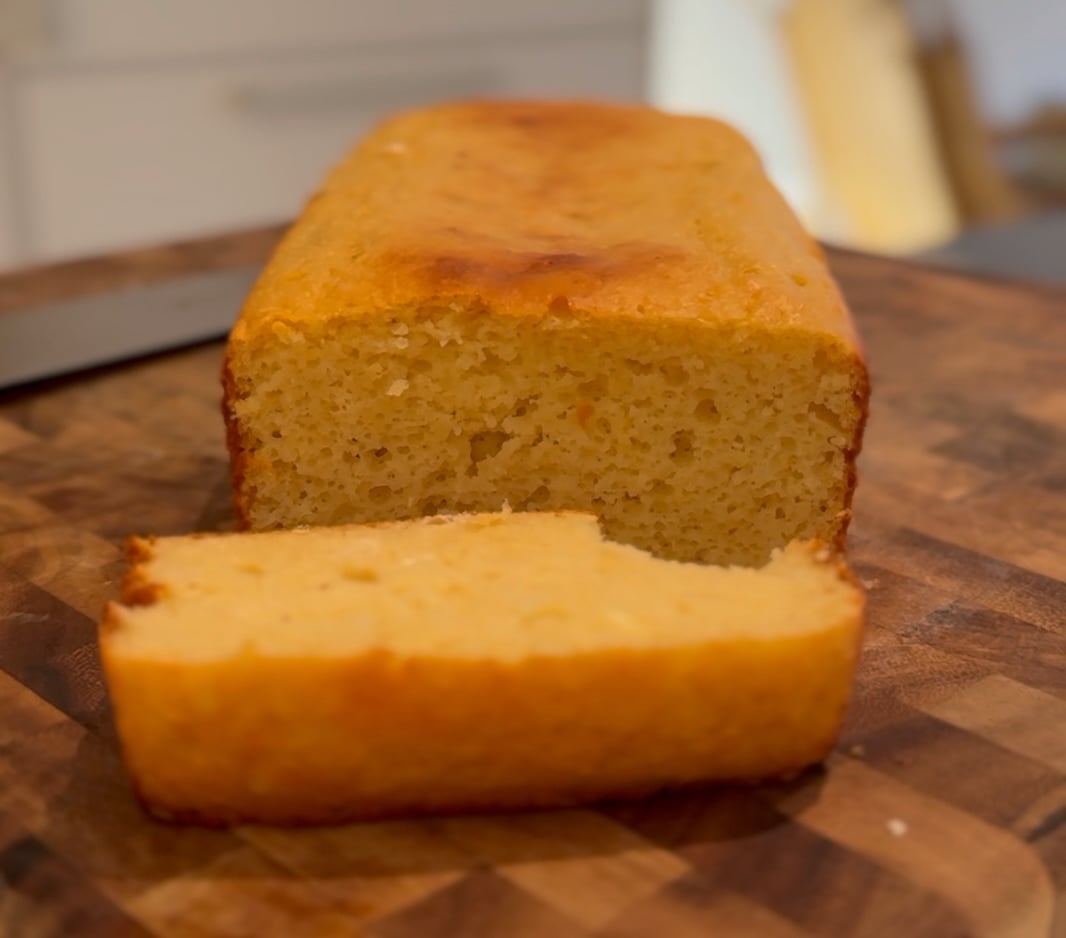
If you are looking for a dessert that balances intense citrus flavor with high-protein macros, you have found it. This Whole Lemon Blender Cake delivers 9g of protein per slice at only 90 calories. By using the entire lemon—rind, pith, and flesh—we capture essential oils and pectin that standard juice-only recipes miss. It is dense, moist, and perfectly structured without the need for excessive fats or refined sugars.
If you're looking for other high-protein cake hits from the archive, try these:
- High Protein Espresso Loaf Cake — A perfect morning pairing with coffee.
- The Ultimate High Protein Iced Animal Cracker Loaf Cake — For when you need a nostalgic, high-protein dessert option.
- Whole Orange Mini Bundt Cakes — If you love the citrus-rind technique, this is the sister recipe.
The Whole-Fruit Citrus Strategy
Most lemon recipes rely on lemon extract or bottled juice, which provide a one-dimensional, sour flavor profile. When making a citrus cake, relying on the whole fruit is the only way to get a complex aromatic profile. By blending the lemon peels, we incorporate the essential oils present in the skin.
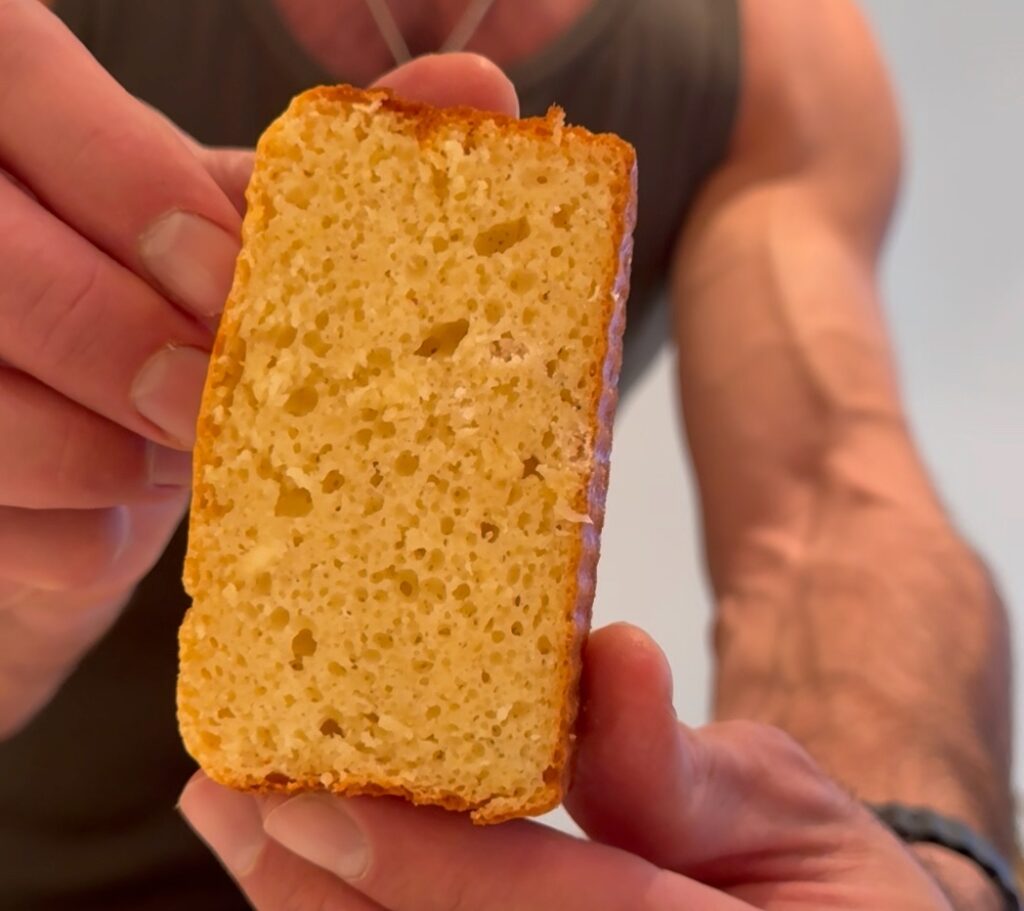
When emulsified with the batter in a high-powered blender, the rind breaks down, creating a natural structure that enhances the rise and crumb of the cake. This is how we achieve a bakery-quality texture without the common dense texture often found in protein-heavy baked goods. It provides the right amount of sweetness to balance the natural acidity of the fruit.

Why You Can Use the Whole Lemon Peel
I often get asked if you need to peel the lemon for this recipe. You don't. Because we use a high-powered blender, the lemon peels are pulverized into the batter. This adds significant depth and creates a cleaner flavor than just using the juice alone.
If you are concerned about the tartness of the lemon, you can use a Meyer's lemon instead of a standard lemon. Meyer's lemons are naturally sweeter and less acidic, which creates a mellower, more floral flavor profile that pairs perfectly with the vanilla protein powder.
Why You'll Love This Recipe
- Macro-Friendly: Each slice provides a significant protein boost without the calorie density of a standard coffee cake.
- Zero Waste: Using the whole lemon means you are utilizing the entire fruit, maximizing flavor and fiber.
- Efficiency: The blender does the heavy lifting. You can prep the entire batter in less than five minutes, saving you on cleanup.
- Structural Integrity: Because we use a specific protein powder blend, the cake maintains a tender crumb that holds together perfectly once sliced.

Key Equipment Focus
Beast Blender: This is non-negotiable for this recipe. To get the lemon rind smooth enough that you don't have chunky bits in your cake, you need a high-RPM blender. Standard mixers cannot break down citrus zest and pith efficiently.
Digital Kitchen Scale: Baking is chemistry. If you are using cups to measure your protein powder or flour, you will end up with a dry, rubbery cake. Weighing your ingredients in grams ensures consistency every single time.
12-Cup Muffin Tin: While this can be made in a loaf pan, using a muffin tin or a smaller cake mold helps the cake set faster, ensuring the edges stay crisp while the center remains moist.
Ingredient Deep Dive & Strategy
Whey/Casein Protein Blend: Using a 100% whey protein will cause your cake to dry out and turn rubbery in the oven. I always recommend using a Whey/Casein blend, such as Nutricost Protein Powder. The casein provides the structure and moisture-retention that mimics traditional flour-based cakes.
Buttermilk: The acidity in the buttermilk reacts with the baking soda to help the cake rise. Ensure your ingredients, especially the eggs and buttermilk, are at room temperature before starting. This helps the batter emulsify properly.
Sugar Substitute: I use a 1:1 granular sweetener. It mimics the bulk of white sugar, which is necessary for the aeration process during the blending phase.

Whole Lemon Blender Cake Ingredients
- 1 whole lemon (washed and organic preferred, ends trimmed, cut into quarters)
- 120g FitFlour (or all-purpose flour)
- 60g (2 scoops) Nutricost Protein Powder Vanilla Protein Powder (Whey/Casein blend)
- 3 large eggs
- 80ml (1/3 cup) buttermilk
- 65g (1/3 cup) sugar substitute
- 1.5 tsp baking powder
- 1/4 tsp baking soda
- 1/4 tsp salt
- Optional Lemon Glaze: 2 tbsp powdered sugar (or powdered sweetener) mixed with 1 tsp lemon juice.
Tools I Use for This Recipe

Nutricost Vanilla Whey Protein Isolate
A suggested vanilla protein-powder option; sweetness, texture, and nutrition may vary by brand.

Ninja Professional Blender 2.0
A full-size blender that can break down the quartered whole lemon into a smooth cake batter.

Etekcity Digital Kitchen Scale
Useful for measuring the flour, protein powder, and sweetener accurately by grams.
This post contains affiliate links. As an Amazon Associate, I earn from qualifying purchases.
Whole Lemon Blender Cake Step by Step Instructions
- Preheat and Prep: Preheat your oven to 350°F (175°C). Lightly grease your baking tin with non-stick spray.
- Process the Lemon: Place your quartered lemon (rind, pith, and all) into the Beast Blender. Pulse until it forms a uniform, thick puree.
Pro Tip: Ensure you remove the seeds before blending. Seeds will add an unpleasant bitterness that sugar cannot mask.
- Incorporate Liquids: Add the eggs and buttermilk to the blender with the lemon puree. Blend on high for 30 seconds until the mixture is completely emulsified and frothy.
- Add Dry Ingredients: Add the FitFlour, Nutricost Protein Powder protein powder, sugar substitute, baking powder, baking soda, and salt. Pulse just until combined.
Pro Tip: Do not over-process at this stage. Over-blending the flour and protein can develop gluten and toughen the cake. Stop as soon as the dry ingredients are hydrated.
- Bake: Pour the batter into your prepared pan. Bake for 45–55 minutes, or until a toothpick inserted into the center comes out clean.
Pro Tip: If you notice the top browning too quickly, tent it loosely with aluminum foil for the last 15 minutes of baking.
- Cool and Glaze: Let the cake cool in the pan for 10 minutes before transferring to a wire rack. If desired, whisk together your lemon glaze ingredients (powdered sugar substitute and lemon juice) and drizzle over the top once the cake is fully cooled.
Troubleshooting & FAQ
Why is my cake bitter?
Bitterness comes from the white pith of the lemon or the seeds. While some pith is necessary for the “whole lemon” flavor, ensure you are removing all seeds before blending. If you are sensitive to tartness of the lemon, use a Meyer's lemon or peel half the rind off the lemon before blending.
Why is my cake rubbery?
You likely used 100% whey protein or over-mixed the batter. Whey protein lacks the binding properties of flour or casein. Using the recommended Nutricost Protein Powder blend is the primary fix here.
Does it matter if the eggs are cold?
Yes. Using room temperature eggs helps the batter incorporate air more efficiently, resulting in a lighter crumb. If you forgot to take them out, place the eggs in a bowl of warm water for 5 minutes.
Why is my cake dense?
A dense texture in a blender cake often results from not blending enough to aerate the batter or using the wrong type of flour. Stick to the recommended FitFlour or a standard all-purpose flour.
Can I make a glaze for this?
Absolutely. A simple lemon glaze made with powdered sugar (or a powdered sugar substitute) and a splash of fresh lemon juice creates a beautiful, professional finish and adds that final touch of sweetness.
Substitutions
| Component | Swap Options |
| Buttermilk | Greek yogurt or sour cream (thin with a splash of water) |
| Eggs | Egg whites (use 3 whites per whole egg for lower fat) |
| Sugar Substitute | Honey or maple syrup (adjust liquid ratios as necessary) |
| FitFlour | Oat flour or All-Purpose flour (note: macros will change) |
Storage & Reheating
Store this cake in an airtight container in the refrigerator for up to 5 days. Because it contains fresh fruit, it will spoil faster than a standard dry cake if left on the counter. If you prefer it warm, slice it and microwave for 15 seconds.
You Might Also Like
- High Protein Orange Cranberry Biscotti Low Sugar No Oil
- High Protein Carrot Cake Baked Oatmeal Cake For Breakfast
- Red Velvet Protein Cupcakes High Protein
The Final Verdict
This Whole Lemon Blender Cake is the perfect solution for when you want a bright, citrusy dessert that doesn't compromise your protein goals. It's simple, efficient, and scientifically structured to taste just as good as a bakery-bought slice. Grab your blender, get baking, and let me know how it turns out.
BAKE THIS NEXT



Whole Lemon Blender Cake
Ingredients
- 1 whole lemon (washed, ends trimmed, quartered)
- 120 g FitFlour (or all-purpose flour)
- 60 g Vanilla protein powder (whey/casein blend)
- 65 g sugar substitute
- 1.5 tsp baking powder
- 0.25 tsp baking soda
- 0.25 tsp salt
- 3 large eggs
- 80 ml buttermilk
Method
- Preheat your oven to 350°F (175°C) and lightly grease your baking pan.
- Place the quartered lemon into your high-powered blender. Pulse until it forms a uniform, thick puree. Ensure all seeds are removed beforehand.
- Add the eggs and buttermilk to the blender. Blend on high for 30 seconds until the mixture is emulsified.
- Add the flour, protein powder, sugar substitute, baking powder, baking soda, and salt to the blender. Pulse just until combined. Do not overmix.
- Pour the batter into the prepared pan and bake for 45–55 minutes, or until a toothpick inserted into the center comes out clean.
- Cool in the pan for 10 minutes before transferring to a wire rack to cool completely.


Leave a Reply