
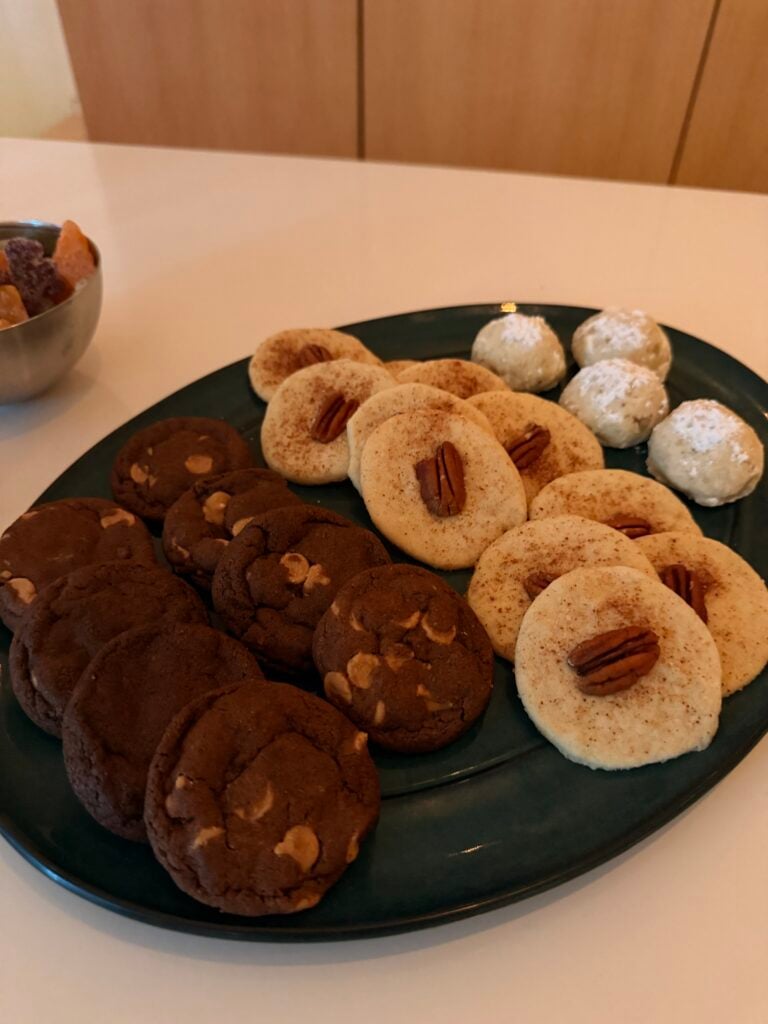
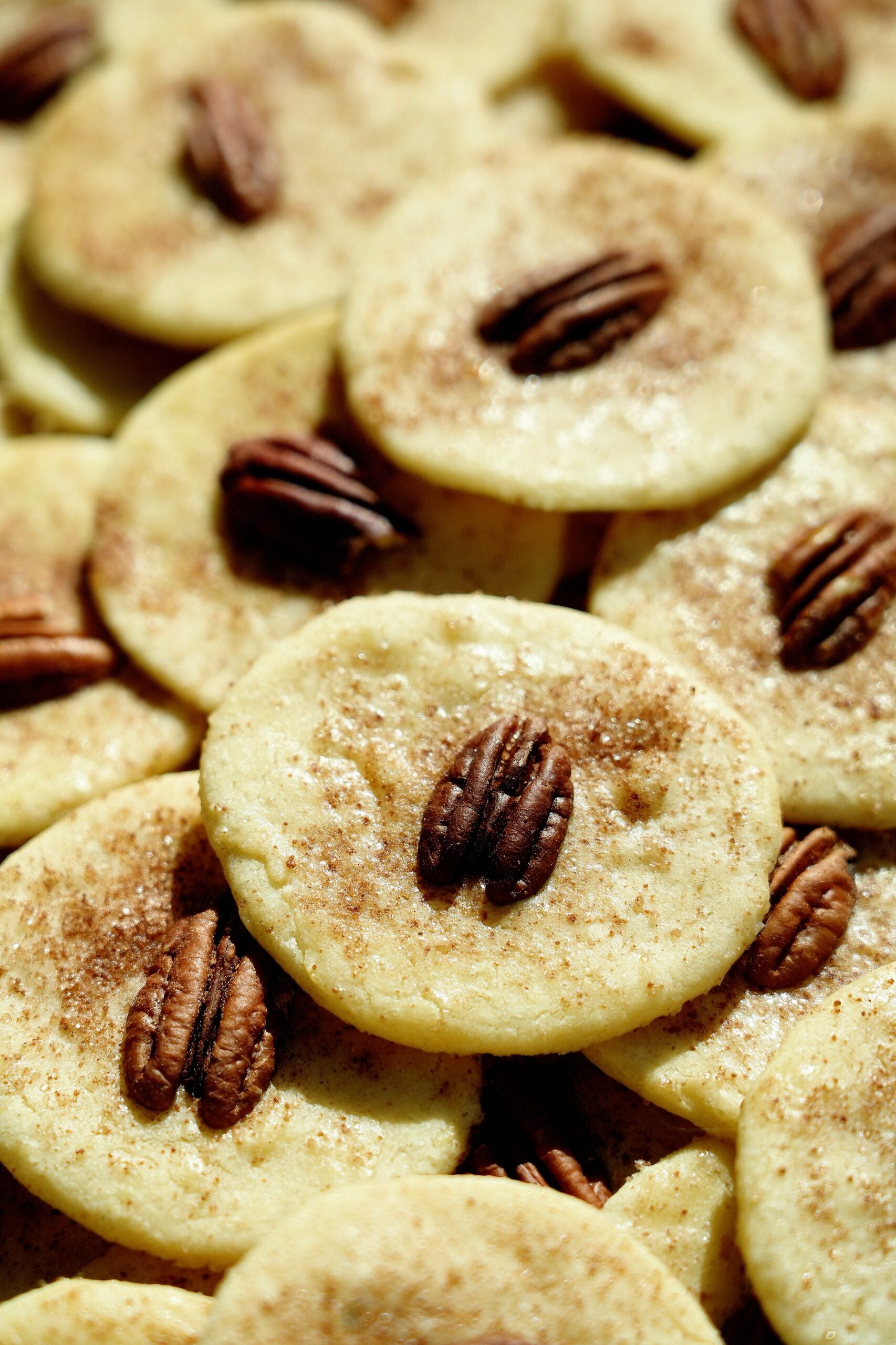
These Pennsylvania Dutch Sand Tart Cookies are thin, crisp, buttery sugar cookies adapted from my grandma's handwritten recipe card. Her card used brown sugar, while this version uses white sugar for a lighter color and cleaner butter flavor. The cold dough, thin roll, egg wash, cinnamon sugar, and optional pecans make them a nostalgic addition to a holiday cookie platter.
The secret to these cookies isn't a long list of complicated ingredients. It comes down to temperature and technique. Keeping the cookie dough very cold, rolling it out extremely thin, and baking on parchment for exactly ten minutes yields the signature crisp snap that makes these a Christmas classic.
If you're building your holiday cookie tin, try my:
The Heirloom Technique
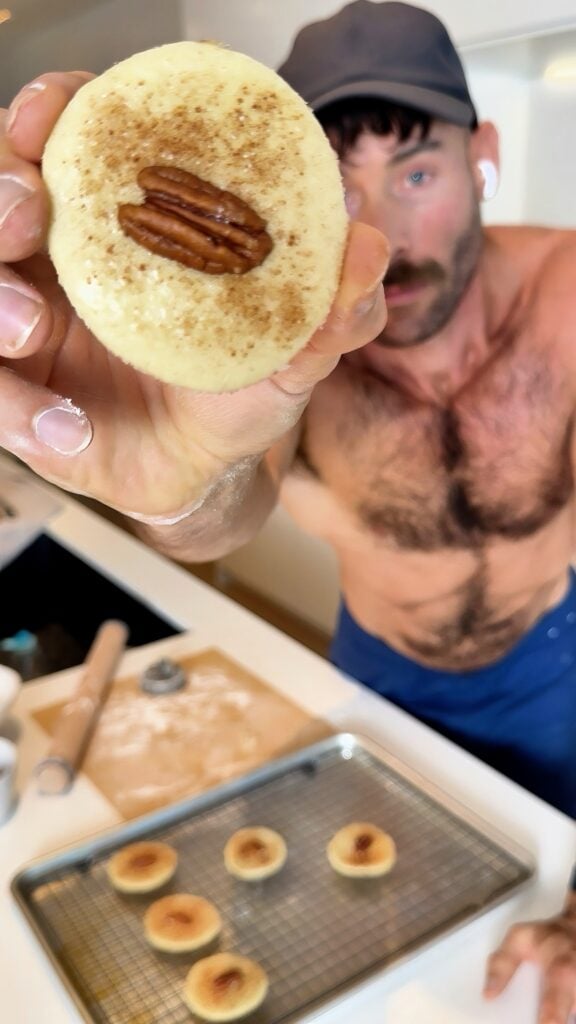
The key to this recipe is keeping the dough cold. Chill it for several hours or overnight so the flour can hydrate and the butter can firm, making the dough easier to roll thin and cut cleanly. Because this high-butter dough softens quickly at room temperature, work in small batches and return it to the refrigerator if it becomes sticky. Flour the work surface and rolling pin as needed, then roll the dough to about 1/8 inch or slightly thinner for a crisp sand tart.
Why You'll Love This Recipe
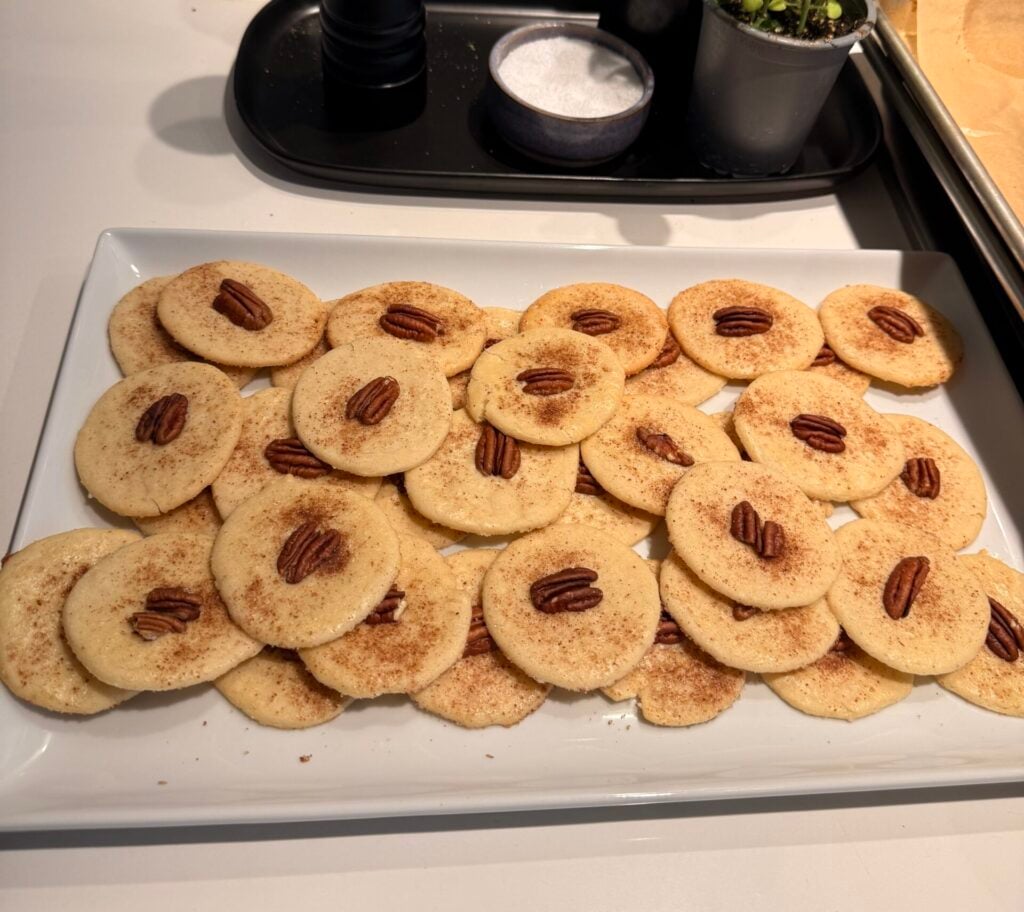
- Incredible Texture: The paper-thin roll gives these cookies a satisfying crunch and snap that stands out on a cookie tray.
- Make-Ahead Convenience: The cookie dough thrives on cold storage, making it perfect to mix up days before you actually plan to bake.
- Holiday Gifting: Once fully cooled, their crisp texture makes them easy to layer in a cookie tin. Pack them gently because thin cookies can be fragile.
- Heirloom-Inspired Flavor: Butter, a light egg wash, cinnamon sugar, and optional pecans give these cookies their old-fashioned character.
What makes Pennsylvania Dutch Sand Tart Cookies a True Sand Tart?
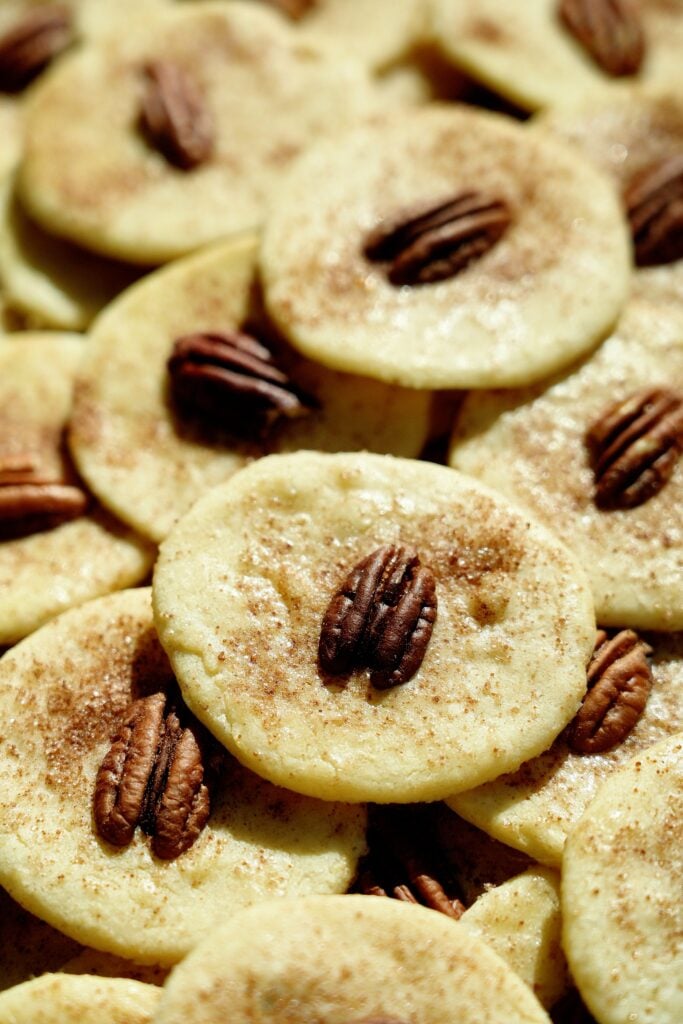
If you are wondering what separates this from a standard holiday bake, it comes down to thickness and topping. Sugar cookies are generally thick, soft, and frosted. A true Pennsylvania Dutch Sand Tart is rolled aggressively thin—almost translucent before baking. It is then painted with a light egg wash and generously dusted with cinnamon sugar. This topping creates a slightly caramelized, sandy texture on the surface of the cookie. When baked, it should snap cleanly rather than bend.
Key Equipment Focus
Having the right tools on hand prevents frustration when working with a delicate, temperature-sensitive dough.
- Digital Scale: Weighing your flour ensures you do not pack the measuring cup, which leads to tough, dry dough.
- Heavy Duty Baking Half-Sheet: Thin cookies burn easily on thin, cheap pans. A heavy-duty pan distributes heat evenly.
- Rolling Pin: A sturdy, heavy rolling pin is essential for flattening the chilled dough to the required 1/8-inch thickness.
- Hand Mixer: Essential for creaming the butter and sugar together until they reach the light, fluffy stage necessary for proper structure.
Ingredient Deep Dive (The Classics)
- Unsalted Butter: The primary fat and flavor driver. Using unsalted butter allows us to control the sodium content and ensures a pure, sweet cream flavor.
- Sugar: Provides sweetness and crispness. Grandma used brown sugar for a deeper molasses flavor, but white sugar yields a lighter, crisper cookie with cleaner edges. Note: We do not use confectioners' sugar in this dough, as it alters the traditional snap.
- All-Purpose Flour: The structural backbone. Sifting the flour removes lumps and aerates it, ensuring a delicate, tender crumb rather than a dense brick.
- Eggs: We use two in the dough for moisture and binding, and reserve the third strictly as an egg wash. The wash acts as the glue for the cinnamon sugar and nuts.
- Pecans: Placing a nut half on top before baking toasts the nut in the oven, releasing essential oils that contrast perfectly with the sweet dough.
Tools I Use for This Recipe
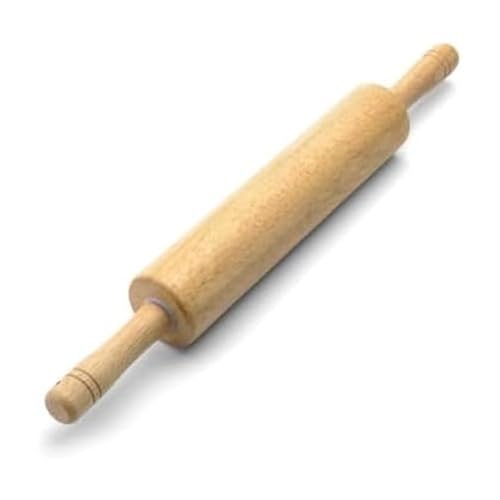
Farberware Classic Wood Rolling Pin
A suggested option for rolling chilled sand-tart dough very thin and evenly.

Nordic Ware Naturals Half Sheet Pan
A suggested heavy aluminum pan for even browning across thin, delicate cookies.

Ann Clark Christmas Cookie Cutter Set
A suggested set for cutting festive shapes cleanly while the dough is cold.
This post contains affiliate links. As an Amazon Associate, I earn from qualifying purchases.
Technique Notes for Thin, Crisp Sand Tarts
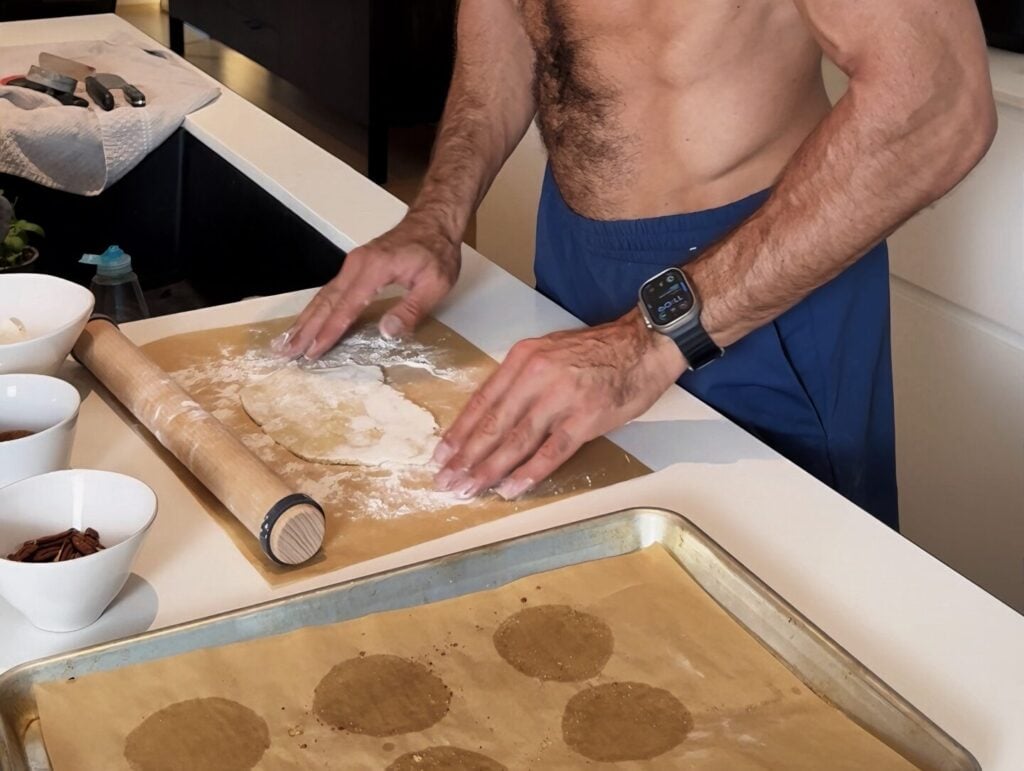
Work with one small portion of chilled dough at a time, keeping the rest refrigerated. Roll it on a floured surface to about 1/8 inch or slightly thinner. If the dough begins to stick or tear, chill it again for about 15 minutes before continuing.
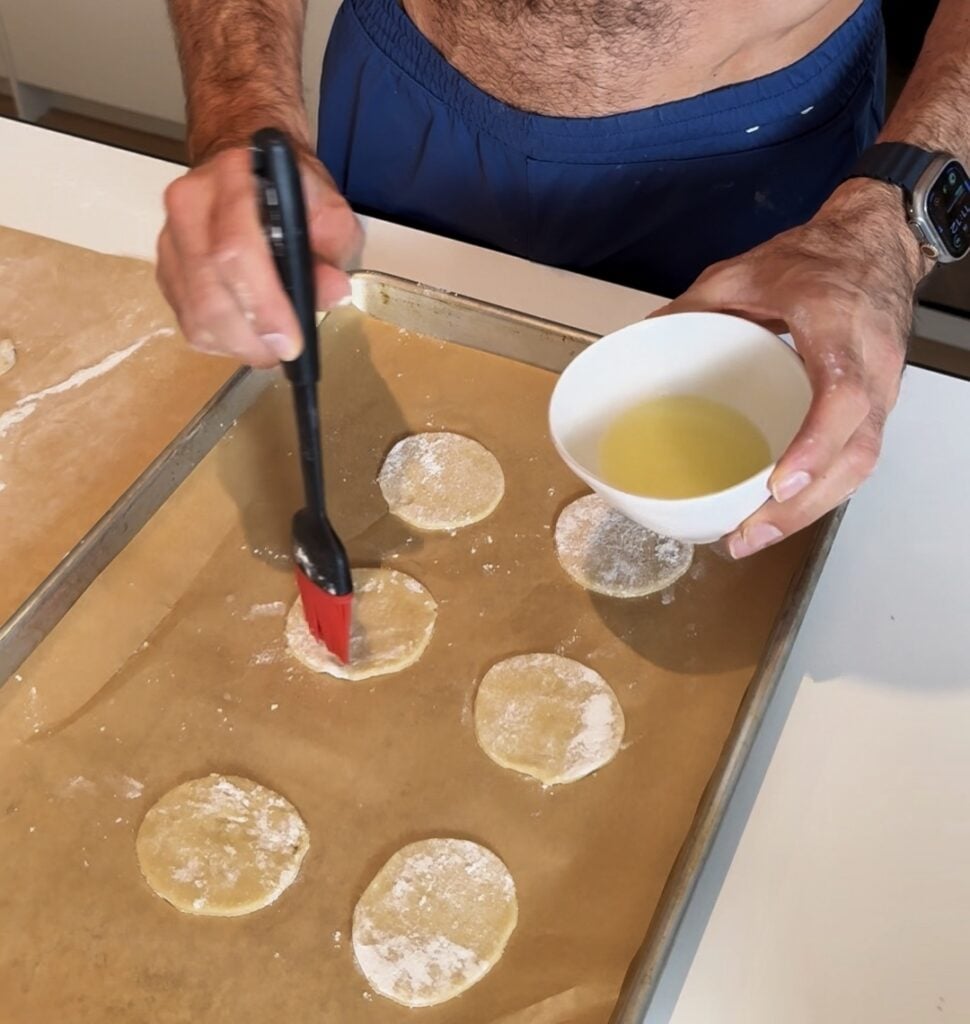
Cut the cold dough into shapes and brush each cookie lightly with the beaten egg, avoiding puddles around the edges. Add cinnamon sugar and an optional pecan half while the wash is still wet.
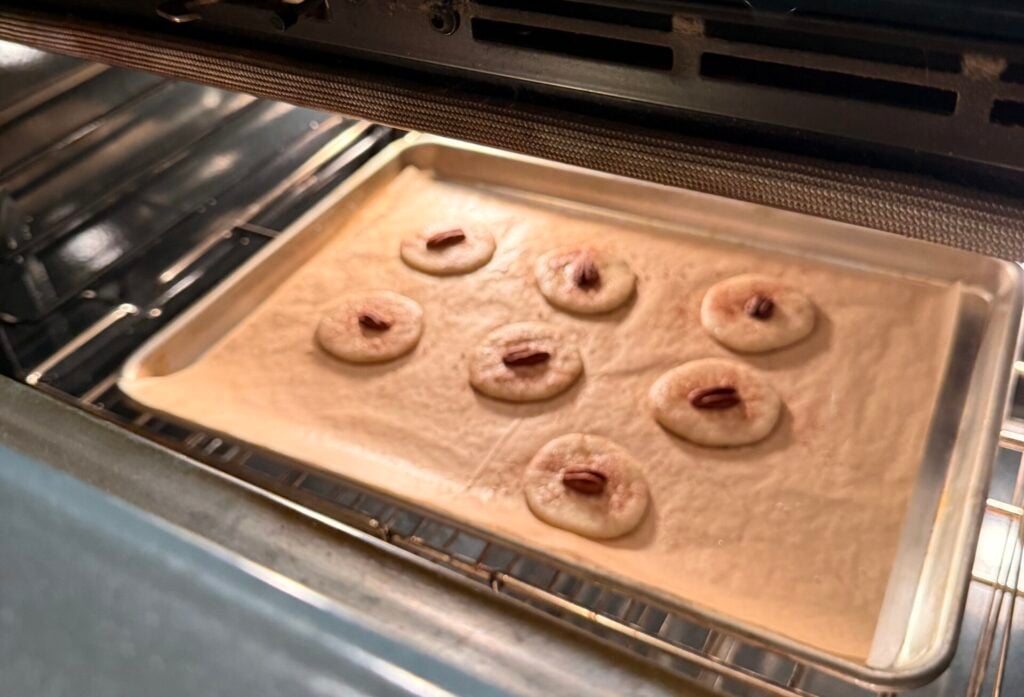
Bake on parchment at 350°F for exactly 10 minutes or until the edges are lightly golden. Thin cookies can move from golden to overbaked quickly, so watch the first tray closely. Cool for 1–2 minutes on the pan, then transfer the cookies to a wire rack.
Troubleshooting & FAQ
What is the difference between a sand tart and a sugar cookie? Sugar cookies are generally rolled thicker, resulting in a soft, chewy center, and are often finished with royal icing. Sand tarts are rolled to a maximum of 1/8-inch thickness, baked until they have a distinct crunch, and topped only with an egg wash and cinnamon sugar.
Why are they called sand cookies? How did sand tarts get their name? One common explanation is that the name refers to the cookie's sandy-looking cinnamon-sugar topping and its delicate, crisp texture. The exact historical origin of the name is not established here.
Why did my cookies spread flat? Your dough was too warm before it went into the oven, or your butter was overly soft when you creamed it. Always chill the dough thoroughly and work in small batches so the butter remains solid before hitting the hot oven.
Why are my cookies tough? Toughness comes from two things: over-measuring the flour or overworking the dough. If you re-roll the same scrap of dough too many times, the gluten develops and turns a crisp cookie into a tough, hard one.
Do I have to chill the dough? Yes. Skipping the chilling step will result in a sticky mess that is impossible to roll thin. The flour needs time to hydrate, and the butter needs time to firm up.
Make-Ahead & Freezing Instructions
Can sand tart cookies be frozen? Yes, this cookie dough freezes exceptionally well. Form the freshly made dough into two flat disks, wrap them tightly in a double layer of plastic wrap, and place them in a zip-top freezer bag. Freeze for up to 3 months. Thaw overnight in the refrigerator before rolling.
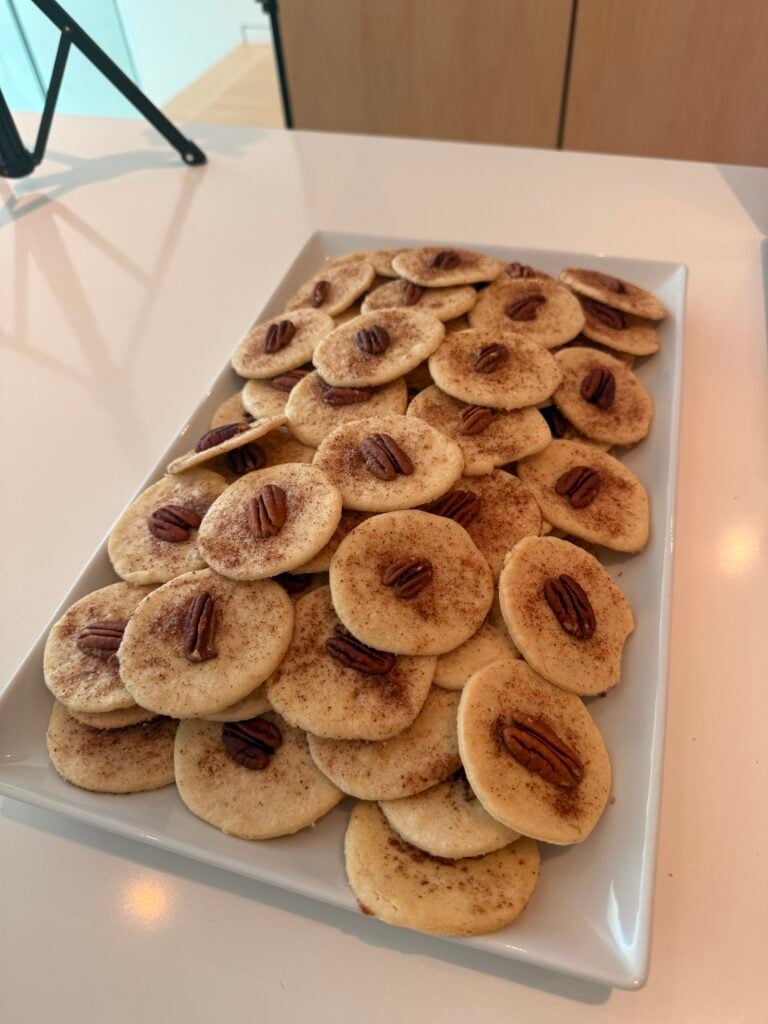
Storing Baked Cookies: Because these are a crisp cookie, they have an excellent shelf life. Store fully cooled cookies in an airtight container at room temperature for up to two weeks. This makes them the ultimate addition to holiday cookie platters. If they begin to soften, you can crisp them back up in a 300°F oven for 3-4 minutes.
Suggested Substitutions
These are suggested substitutions, not changes to the published recipe. Brands and products vary, so spread, moisture, timing, or texture may need minor adjustment.
| Component | Swap Options |
|---|---|
| Unsalted Butter | Margarine (Will alter the classic flavor and yield a slightly softer texture) |
| White Sugar | Brown Sugar (Produces a darker cookie with a deeper, molasses-forward flavor, just like Grandma's original) |
| Pecans | Walnuts, sliced almonds, or omit entirely for a nut-free cookie |
| Milk | Heavy cream or half-and-half if the dough requires moisture to bind |
The Final Verdict & Share
This adapted heirloom recipe is based on my grandma's handwritten card and reflects the white-sugar version I bake today. Keep the dough cold, roll it thin, and watch the edges closely as it bakes. If you bake a batch of these Pennsylvania Dutch Sand Tarts, drop a rating and let me know how they turned out in the comments below!
BAKE THIS NEXT
How To Make Sand Tart Cookies (Traditional Pennsylvania Dutch Recipe)
Ingredients
- 1 cup unsalted butter softened
- 2 cups sugar grandma used brown sugar, I used white
- 3 large eggs 2 for dough, 1 for egg wash
- 3 cups all-purpose flour sifted
- 1 teaspoon baking powder
- 1/2 teaspoon salt
- 1-2 tablespoons milk only if needed for texture
- cinnamon sugar for topping
- pecan halves optional, for topping
Equipment
- 2 Baking Sheets lined with parchment paper
Method
- Cream butter and sugar until light and fluffy. Beat in 2 eggs.
- In a separate bowl, whisk flour, baking powder, and salt. Gradually add to butter mixture until dough comes together. If dough is too dry, add 1–2 tablespoons milk.
- Wrap dough tightly in plastic wrap and refrigerate several hours or overnight. Keep dough very cold for rolling.
- Preheat oven to 350°F (175°C). Line baking sheets with parchment paper.
- Work with a small portion of dough at a time, keeping the rest in the fridge. Flour rolling surface and pin heavily. Roll dough very thin (about 1/8-inch or less).
- Cut shapes with cookie cutters. Brush lightly with beaten egg wash. Sprinkle generously with cinnamon sugar and top with a pecan half if desired.
- Bake for exactly 10 minutes on parchment, until lightly golden at the edges. Cool on pan 1–2 minutes before transferring to wire rack.

Leave a Reply