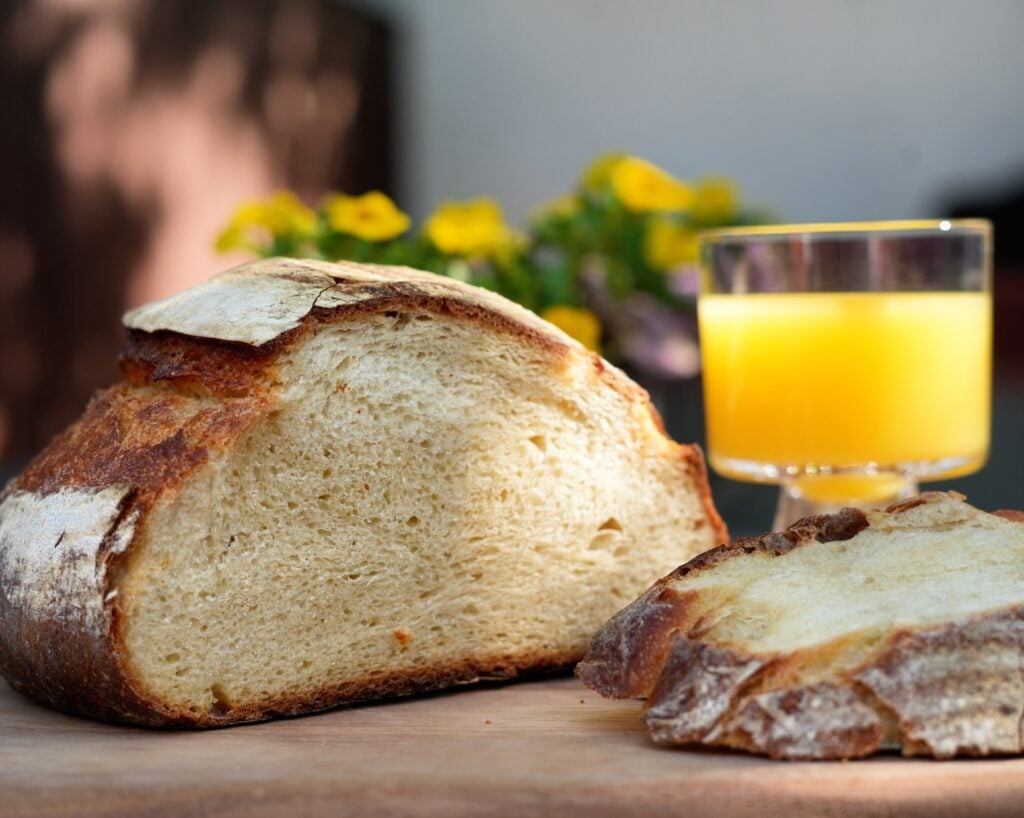
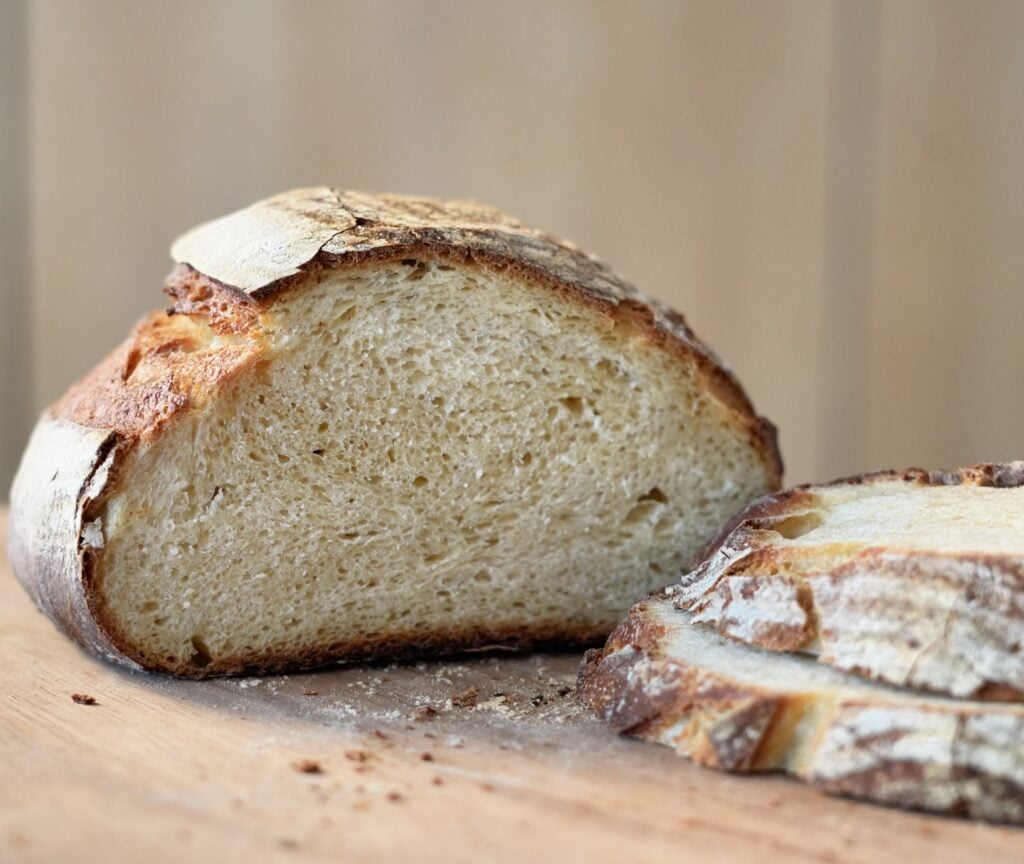
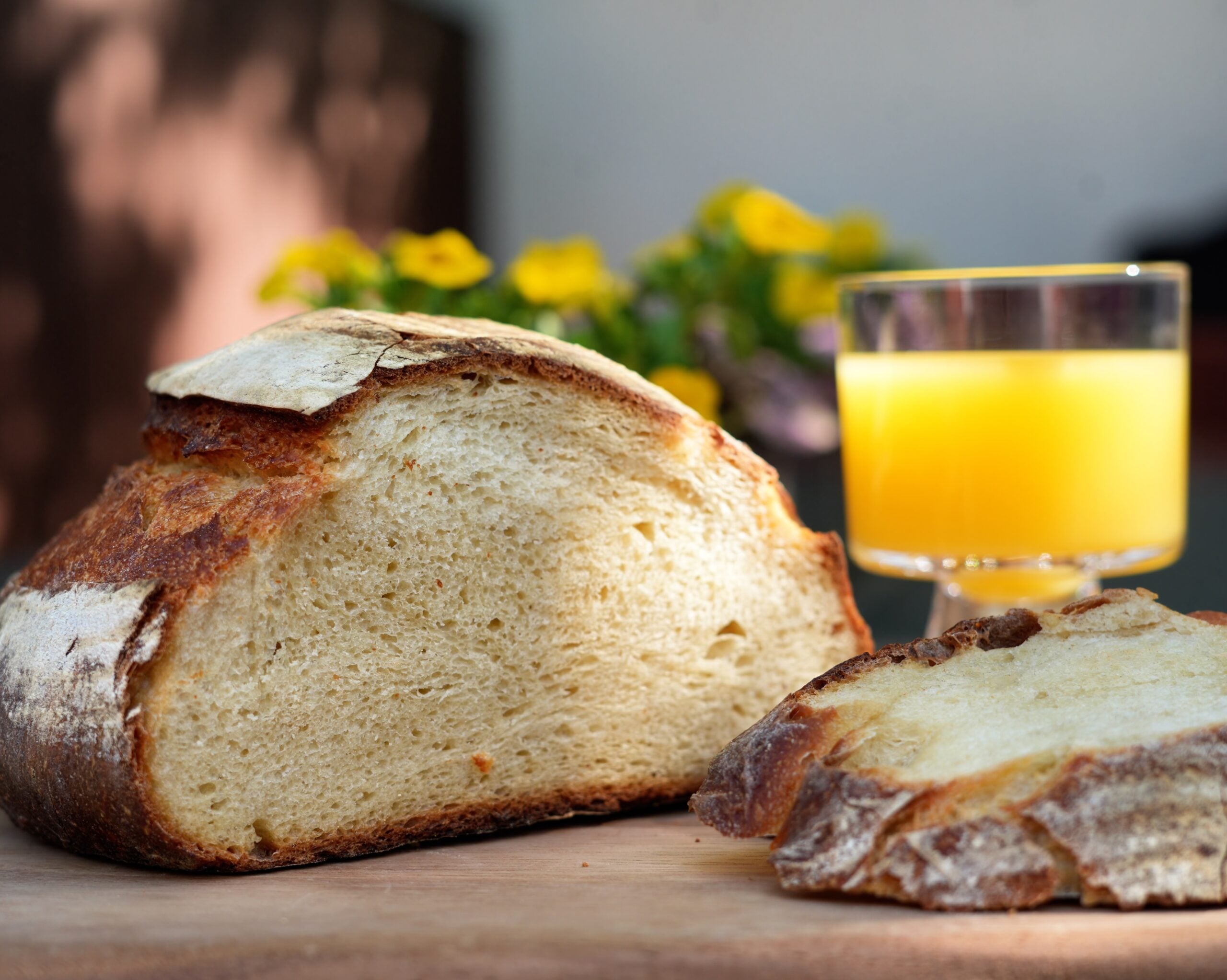
Orange juice sourdough is a dense, flavorful loaf that replaces traditional water with 100% no-pulp orange juice. The natural sugars and acidity of the citrus completely change the fermentation profile of the dough. You get a soft, tight crumb instead of massive, airy pockets. This is a highly practical bake for anyone looking to build a sturdier loaf for sandwiches or toast. The hydration is manageable, making it an excellent weekend project.
If you're looking for other Sourdough hits, try my:
Using juice instead of water alters the hydration behavior of the flour. Orange juice contains sugars and acids that tighten the gluten network and accelerate yeast activity in the starter. This creates a denser, heavier loaf. If you prefer a higher hydration dough with larger air pockets, you can increase the liquid volume, but sticking to 330g of juice ensures a structured, easy-to-handle dough.
Why You'll Love This Recipe
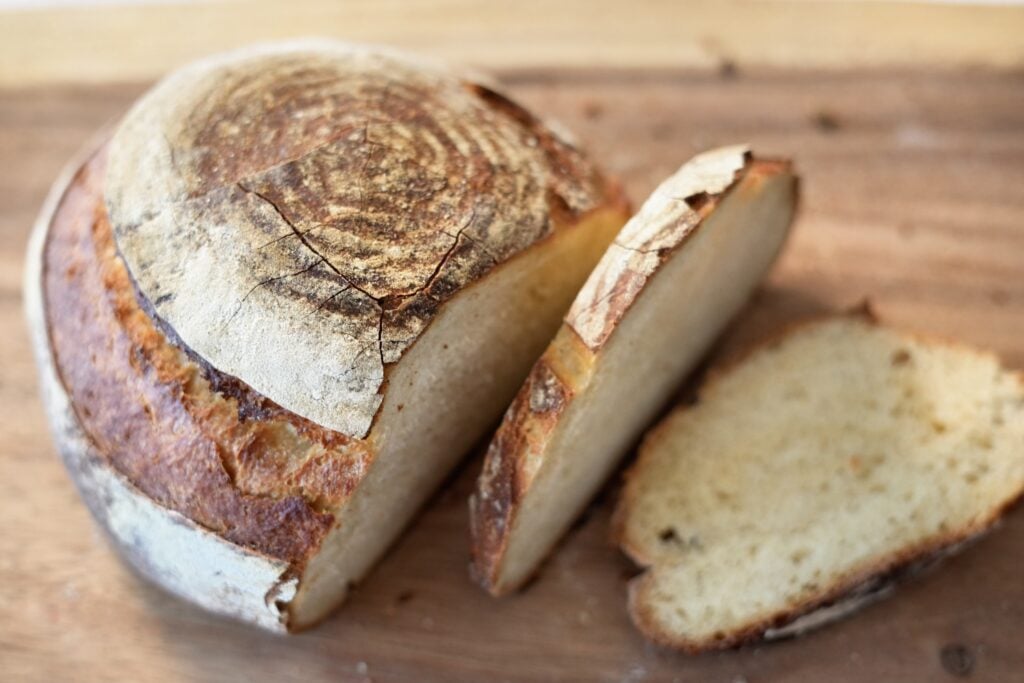
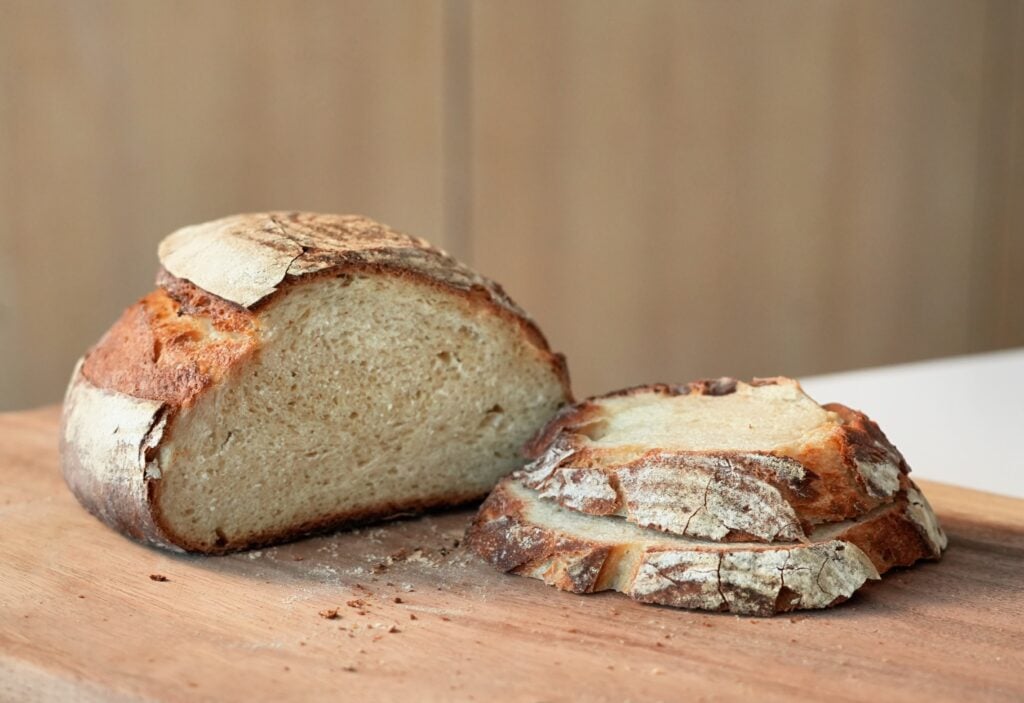
Tight Crumb Structure: The acidic environment produces a soft, dense interior that holds butter and jam perfectly.
Unique Flavor Profile: The citrus provides a subtle, natural sweetness without needing added table sugar.
Predictable Shaping: The lower hydration makes the dough incredibly easy to handle, stretch, and shape.
Minimal Ingredients: With just flour, juice, starter, and salt, you know exactly what is going into your bread.
What makes Orange Juice Sourdough Unique?
The secret to a real orange juice sourdough is the ratio of acidity to flour. The citric acid and natural fructose in the juice directly impact the sourdough starter's fermentation rate. While a standard water-based sourdough relies entirely on the flour for sugar conversion, the juice feeds the wild yeast rapidly. This results in a faster bulk ferment and a crumb that is distinctly tighter and softer than a traditional artisan loaf.
Key Equipment Focus
Digital Kitchen Scale: Baking bread requires precision. Weighing your 500g of flour and 330g of juice ensures the hydration levels are correct and consistent.
Banneton Proofing Basket: An essential tool for the overnight cold retard. It wicks away exterior moisture, helping the loaf hold its shape and develop a better crust.
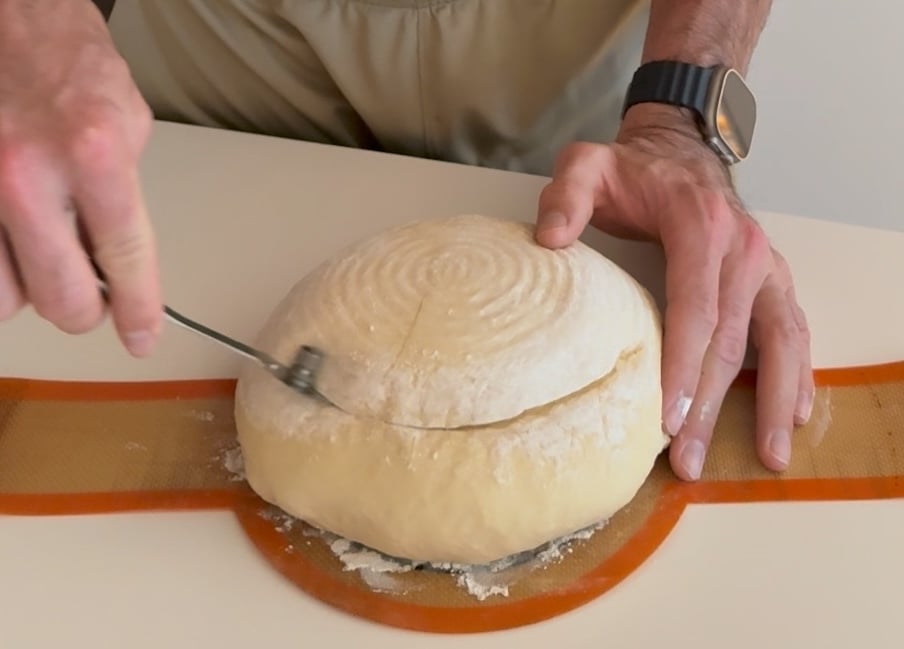
Silicone Baking Mat: This prevents the bottom of the bread from burning during the initial high-heat bake and makes transferring the scored dough into your oven seamless.
Ingredient Deep Dive & Strategy
Orange Juice: The primary hydration source. The fructose feeds the starter aggressively, while the citric acid tightens the gluten structure, leading to a denser, softer crumb.
Bread Flour: The high protein content is required to develop a strong gluten network that can withstand the acidic environment of the juice.
Active Sourdough Starter: Acts as the sole leavening agent. The wild yeast and lactic acid bacteria provide the rise and signature tang.
Salt: Regulates yeast activity and strengthens the dough. Without it, the fermentation would run out of control and the bread would lack structure.
Provides a reusable nonstick surface for handling and baking the loaf.
This post contains affiliate links. As an Amazon Associate, I earn from qualifying purchases.
Orange Juice Sourdough Step by Step Instructions
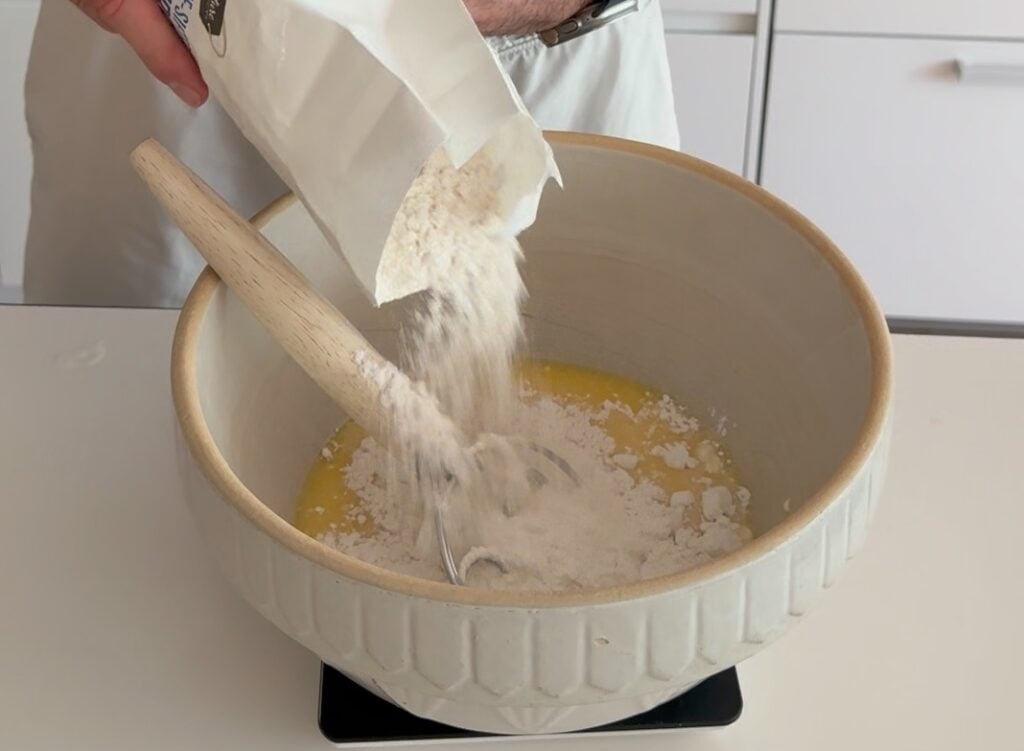
1. Mix the dough: In a large bowl, combine your active sourdough starter, no-pulp orange juice, bread flour, and salt. Mix by hand or with a sturdy spatula until a shaggy dough forms and no dry spots remain.
Pro Tip: Make sure your orange juice is at room temperature so it doesn't shock the starter and slow down the initial fermentation.
2. Rest the dough: Cover the bowl with a damp towel or plastic wrap. Let the dough rest at room temperature for 30 to 60 minutes. This autolyse-like phase allows the flour to fully hydrate and begin gluten development.
3. Perform stretch and folds: Over the next two hours, perform 3 to 4 sets of stretch and folds. Grab one side of the dough, pull it up until you feel resistance, and fold it over the center. Rotate the bowl and repeat for all four sides.
4. Bulk ferment: Cover the dough and let it sit undisturbed until it has increased in volume by about 30-50% and feels light and aerated.
Pro Tip: Because of the sugars in the juice, this bulk ferment may happen faster than a standard water-based dough. Watch the dough, not the clock.
5. Shape the loaf: Turn the dough out onto a lightly floured surface. Shape it into a tight round or oval, building tension on the surface of the dough.
6. Cold retard: Place the shaped dough seam-side up into a floured banneton basket. Cover it and place it in the fridge overnight to develop flavor and slow the fermentation.
7. Score and bake: The next morning, preheat your oven and baking vessel to 450°F (232°C). Turn the dough out onto a silicone baking mat. Score the top of the dough. Bake covered for 30 minutes.
8. Finish the crust: Reduce the oven temperature to 425°F (218°C). Remove the cover and bake for another 20 to 25 minutes until the crust reaches your desired color.
Troubleshooting & FAQ
Why is my loaf so dense?
Orange juice sourdough is naturally denser than water-based sourdough. The acids and sugars tighten the crumb. If it is entirely a brick, your bulk ferment was likely too short or your starter wasn't active enough.
Why did my dough ferment so fast?
The natural sugars in the orange juice feed the yeast much faster than the complex starches in flour. Keep a close eye on the dough during bulk fermentation.
Can I get an open crumb with this recipe?
You can increase the hydration by adding more juice or water (try an extra 20-30g). A wetter dough will produce larger air pockets but will be harder to shape.
Why is the crust browning so quickly?
The sugars from the juice caramelize rapidly in the oven. If the crust gets too dark before the center is baked, tent it with aluminum foil during the uncovered baking phase.
Do I have to use no-pulp juice?
Yes. Pulp introduces inconsistent hydration pockets and can disrupt the gluten structure.
Substitutions Table
Component
Swap Options
Orange Juice
Apple juice or a 50/50 mix of orange juice and water
Store the cooled loaf in a paper bag or bread box at room temperature for up to 3 days. For longer storage, slice the entire loaf and freeze it in an airtight ziplock bag for up to 3 months. Toast directly from frozen.
You Might Also Like
If you love baking sourdough as much as I do, these three hits from the archive are worth checking out next.
This Orange Juice Sourdough proves that you can manipulate standard recipes to create entirely new flavor profiles and textures. It is practical, dependable, and yields a fantastic sandwich loaf. Bake this over the weekend and let me know how your crumb turns out.
In a large bowl, combine your active sourdough starter, no-pulp orange juice, bread flour, and salt. Mix by hand or with a sturdy spatula until a shaggy dough forms and no dry spots remain.
Cover the bowl with a damp towel or plastic wrap. Let the dough rest at room temperature for 30 to 60 minutes.
Over the next two hours, perform 3 to 4 sets of stretch and folds. Grab one side of the dough, pull it up until you feel resistance, and fold it over the center. Rotate the bowl and repeat for all four sides.
Cover the dough and let it sit undisturbed until it has increased in volume by about 30-50% and feels light and aerated.
Turn the dough out onto a lightly floured surface. Shape it into a tight round or oval, building tension on the surface of the dough.
Place the shaped dough seam-side up into a floured banneton basket. Cover it and place it in the fridge overnight to develop flavor and slow the fermentation.
The next morning, preheat your oven and baking vessel to 450°F (232°C). Turn the dough out onto a silicone baking mat. Score the top of the dough. Bake covered for 30 minutes.
Reduce the oven temperature to 425°F (218°C). Remove the cover and bake for another 20 to 25 minutes until the crust reaches your desired color.
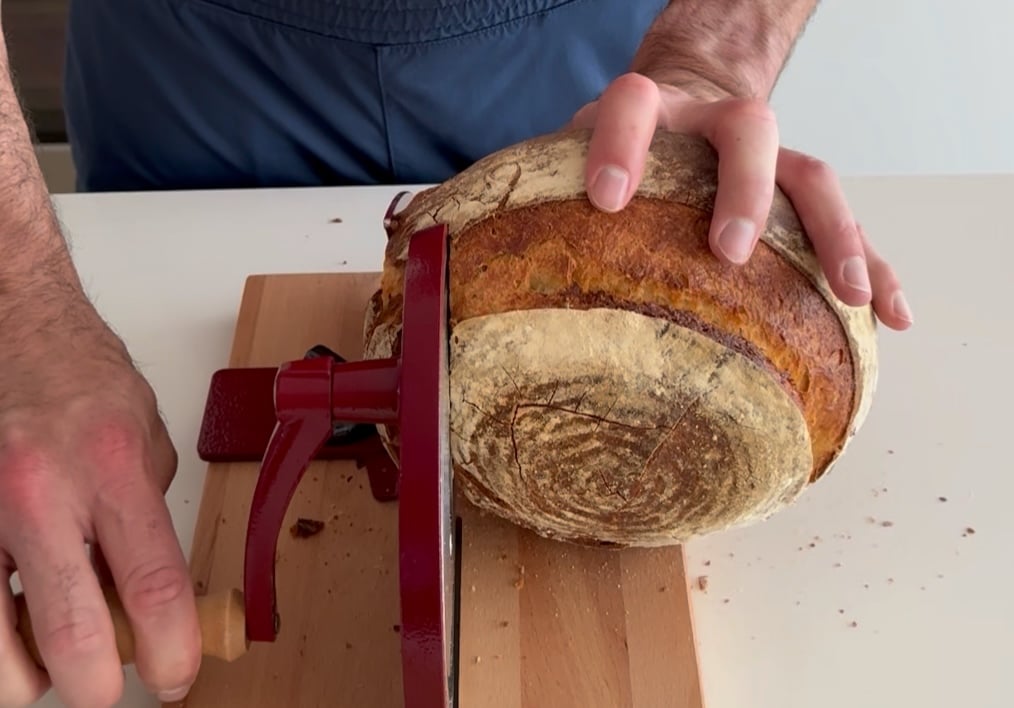
TEXTURE EXPECTATION: Expect a dense, tight crumb rather than large, airy holes. The acids in the juice tighten the gluten network significantly.HYDRATION ADJUSTMENT: If you want a slightly more open crumb, you can add an extra 20g of water or juice during the initial mix. However, the dough will be trickier to shape.THE MELLOWING EFFECT: Sourdough flavor develops best during the overnight cold retard. Do not skip the fridge stage, as it provides the depth of flavor needed to balance the citrus.PROFESSIONAL FINISH: Let the loaf cool completely for at least 2 hours before slicing. Cutting into hot bread will result in a gummy interior.





Leave a Reply