An artisanal, long-fermented sourdough loaf packed with toasted walnuts and tart dried cranberries. This recipe uses a traditional Dutch oven method for a professional, crispy crust and a soft, airy…
As the air cools and the holiday season approaches, there is nothing quite like the smell of a fresh loaf of WalnutCranberrySourdough cooling on the counter. This is the ultimate “Holiday Table” bread. Whether you're looking for the perfect rustic side for your Thanksgiving turkey or a festive, colorful addition to a Christmas morning brunch, the combination of tart cranberries and toasted walnuts screams winter comfort. It's a clean, impressive alternative to store-bought rolls that actually adds nutritional value to your holiday spread.
Baking a loaf like this is about more than just food; it's about the process. This WalnutCranberry Sourdough is a powerhouse of flavor and texture, combining the earthy crunch of toasted walnuts with the tart pop of dried cranberries. Because we use a long cold-proof fermentation, the gluten breaks down more effectively, making it easier on your digestion than standard store-bought loaves. We aren't using fillers or preservatives here—just flour, water, salt, and time.
If you're looking for other Sourdough hits from the archive, try these:
The secret to a successful fruit and nut loaf lies in the hydration management. When you add bulky inclusions like walnuts and cranberries, they can physically break the gluten strands and weigh the dough down. By starting with a slightly lower hydration (335g water) and only adding the remainder during the salt-pinch phase, we ensure the dough stays strong enough to support the weight of the mix-ins. This technique prevents the loaf from flattening out in the oven, giving you that sought-after “ear” and a better rise.
Why You'll Love This Recipe
Clean Label Ingredients: Zero oils, refined sugars, or commercial yeasts. Just pure, wild-fermented sourdough.
Complex Textures: You get a shattering, crispy crust contrasted with a soft, chewy interior and the occasional crunch of a toasted walnut.
Fiber-Rich & Gut Friendly: The inclusion of walnuts adds healthy fats and fiber, while the fermentation process acts as a “pre-digest” for the grains.
Artisanal Result: This loaf looks and tastes like it came from an expensive boutique bakery, but it costs pennies to make at home.
What makes Walnut Cranberry Sourdough special?
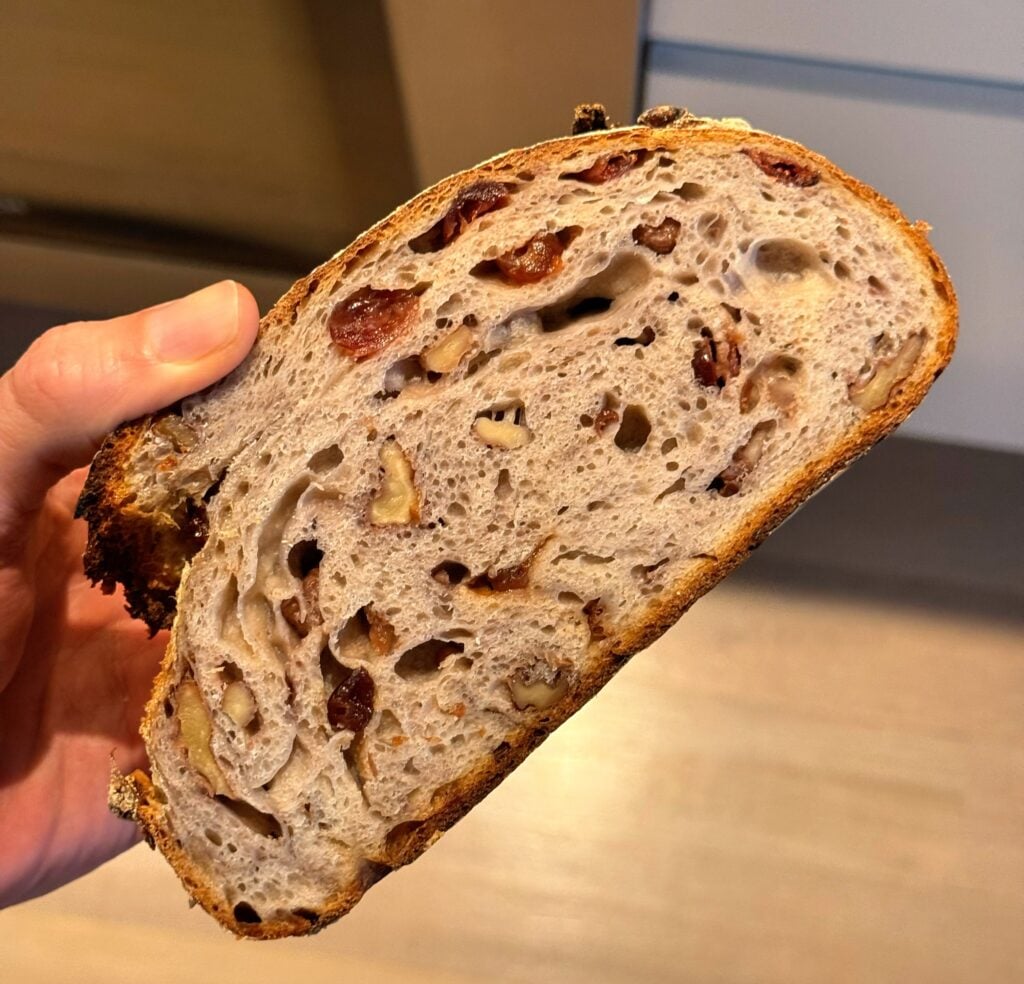
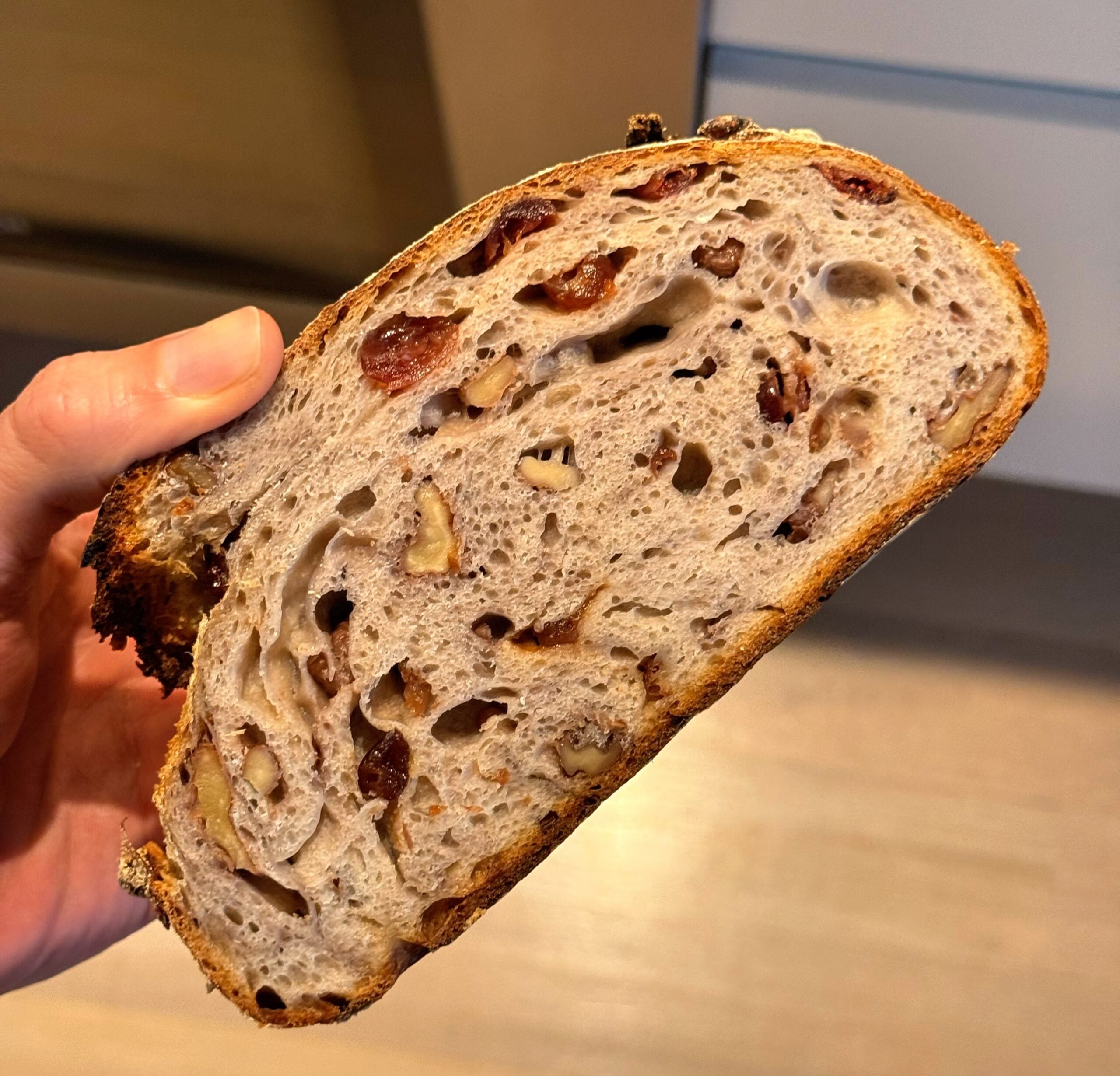
The defining characteristic of this specific sourdough is the “mellowing” of the acidity. While some sourdoughs are aggressively sour, the tannins in the walnut skins and the sweetness of the cranberries create a balanced flavor profile. The walnuts actually undergo a slight color change during the bake, often tinting the crumb a beautiful, subtle purple-grey, which is a hallmark of a true artisanal walnut loaf.
Key Equipment Focus
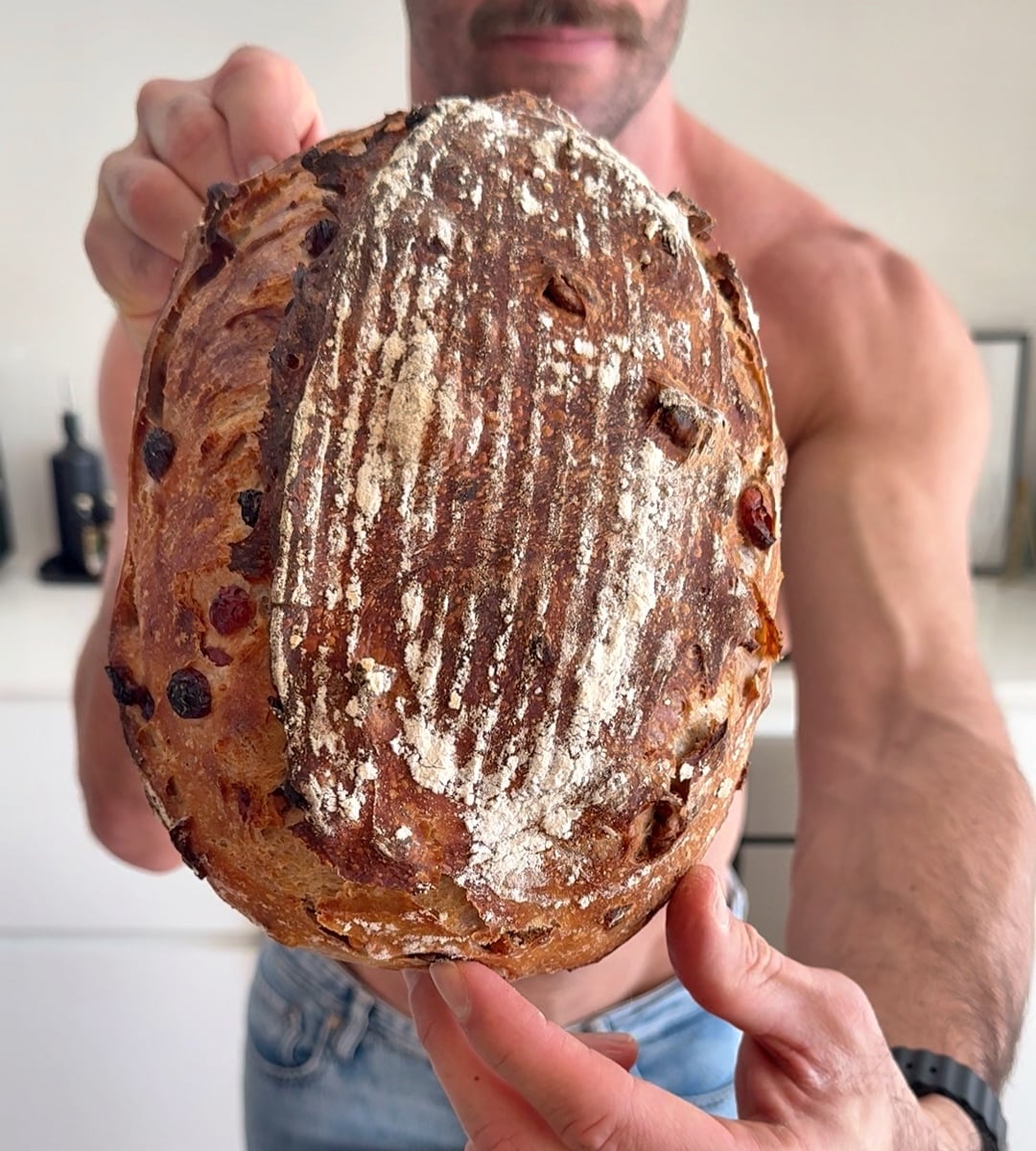
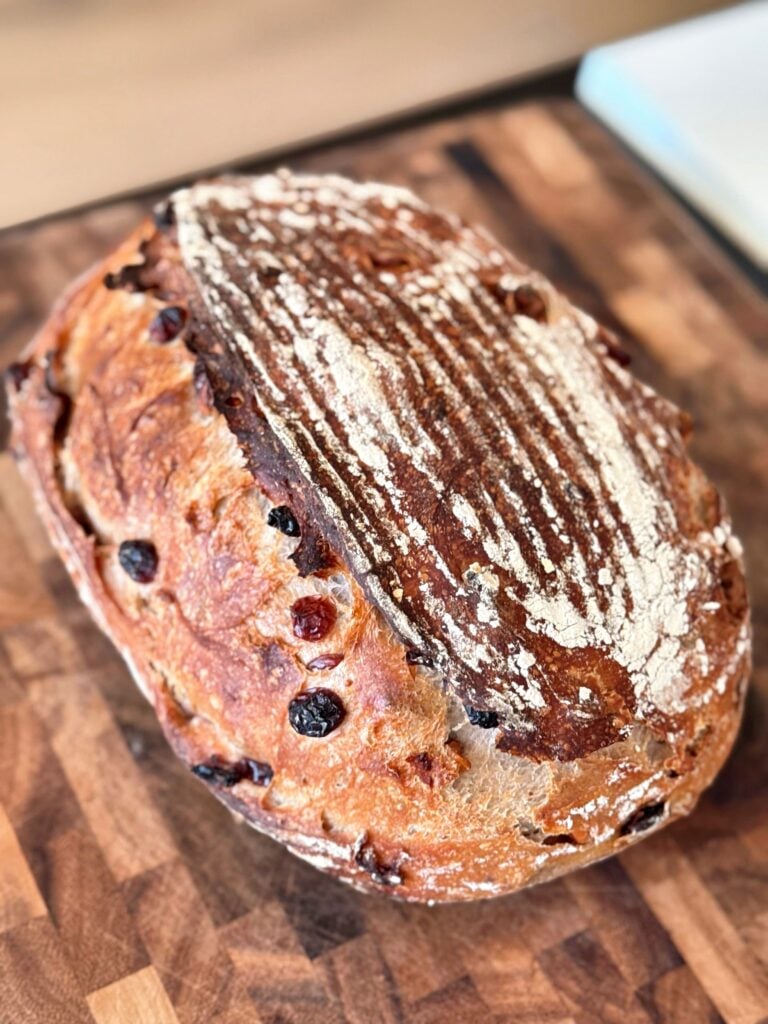
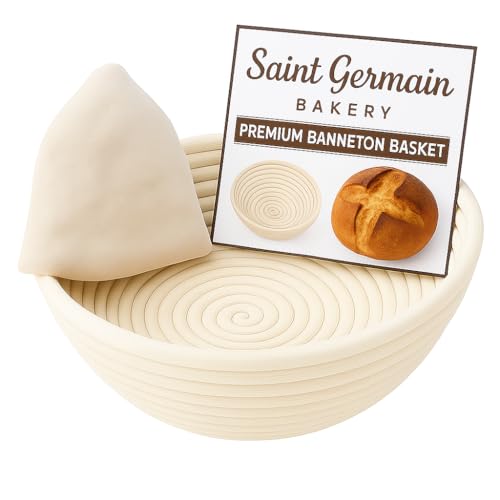
Banneton Kit with Mixer and Dough Cutter: This is the foundation of a professional shape. The rattan basket wicks moisture away from the surface of the dough during the cold proof, which is exactly how you get that thick, crunchy crust and those beautiful flour rings.
Dutch Oven: Sourdough needs steam to rise. By baking inside a heavy cast iron Dutch oven, you trap the moisture escaping from the dough, keeping the “skin” soft for the first 20 minutes so the bread can expand fully before the crust sets.
Digital Kitchen Scale: Sourdough is a science. Measuring flour by “cups” is a recipe for failure because flour density changes daily. You need exactly 500g of flour for this hydration ratio to work.
Silicone Spatula Set: Use this for the initial mix to ensure every scrap of flour is hydrated without getting your hands stuck in a sticky mess during the autolyse phase.
Ingredient Deep Dive & Strategy
Active 50/50 Sourdough Starter: This is your engine. A 50/50 starter (equal parts water and flour) ensures a predictable acidity level. Ensure it is at its “peak”—bubbly and doubled in size—before mixing to guarantee a strong rise.
Walnuts: These provide the structural “crunch.” I recommend roughly chopping them so they are large enough to be distinct but small enough not to tear through the dough's surface during the final shaping.
Dried Cranberries: These act as “sugar pockets.” As they bake, they rehydrate slightly from the dough's moisture, creating jammy little bursts of flavor that contrast the sourdough tang.
Bread Flour: With a high protein content (usually 12-13%), bread flour provides the gluten strength required to hold the heavy walnuts and cranberries aloft. Using All-Purpose flour here will often result in a flat, dense loaf.
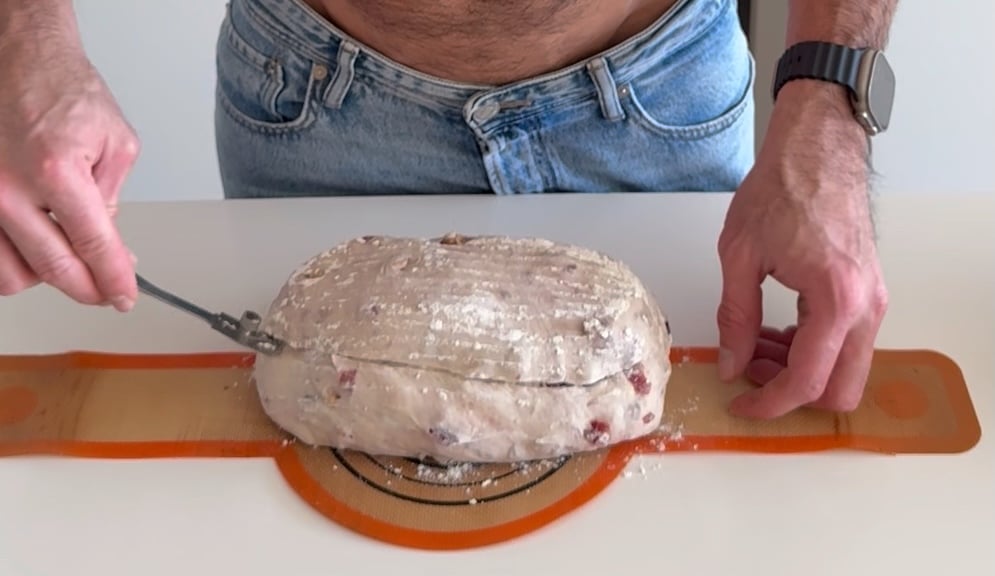
A suggested option for making a controlled score that directs oven spring before the loaf goes into the Dutch oven.
This post contains affiliate links. As an Amazon Associate, I earn from qualifying purchases.
Walnut Cranberry Sourdough Step by Step Instructions
1. Mix the dough: In a large bowl, combine your 500g bread flour, 335g water, and 75g active starter. Use your Banneton Kit dough whisk or a spatula until no dry flour remains. Cover and let rest for 30 minutes.
2. Add the salt: Sprinkle 10g of fine sea salt over the top. Use the “pinch and fold” method—literally pinching the dough with your thumb and forefinger—to work the salt in. Add the remaining 15g of water only if the dough feels very stiff.
Pro Tip: This “Autolyse” period (the 30-minute rest) allows the flour to fully hydrate, which makes the dough much easier to work with when you start adding the salt and mix-ins.
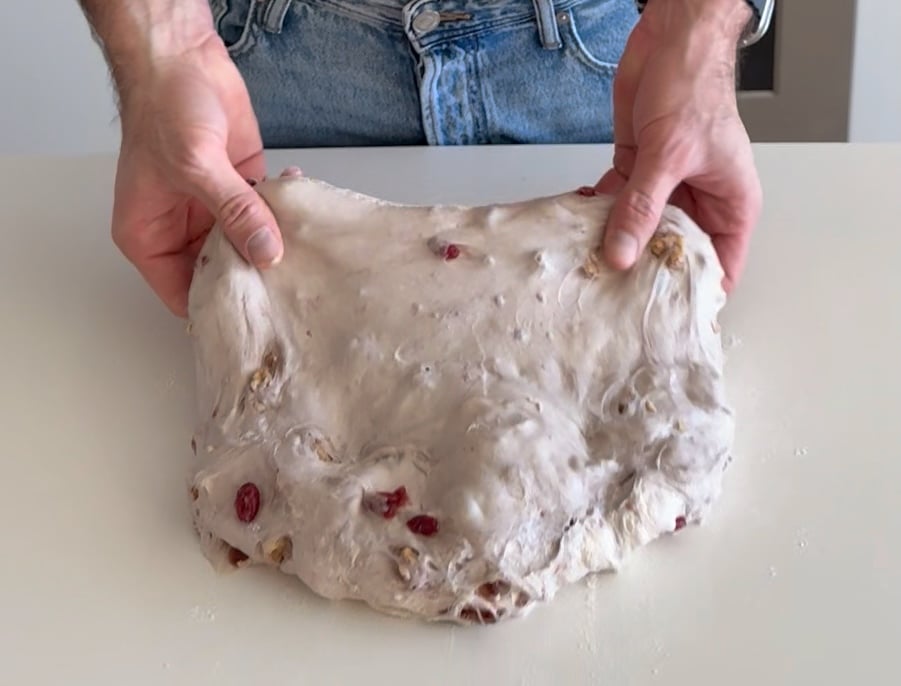
3. Incorporate the mix-ins: Gently fold in the 100g of walnuts and 120g of cranberries. Don't worry about perfect distribution yet; the subsequent folds will handle that.
4. Bulk fermentation: Let the dough rise for 4 to 5 hours at room temperature. For the first 2 hours, perform “stretch and folds” every 30 minutes. Reach under the dough, pull it upward, and fold it over itself. Rotate the bowl and repeat 4 times per set.
5. Final shaping and proof: Turn the dough onto a lightly floured surface. Use your Dough Cutter to tension the dough into a tight ball (boule). Place it seam-side up in your floured Banneton. Cover and place in the fridge for 8 to 14 hours.
6. The Bake: Preheat your Dutch Oven to 475°F (245°C). Carefully flip the cold dough onto parchment paper, score the top with a sharp knife or lame, and drop it into the pot.
Pro Tip: Baking the dough straight from the fridge (cold scoring) makes it much easier to get a clean, deep cut, which directs the oven spring upward.
Troubleshooting & FAQ
Why did my walnuts turn the bread purple?
This is a natural chemical reaction between the iron in the flour and the antioxidants (anthocyanins) in the walnut skins. It's completely safe and a sign of an authentic, long-fermented walnut bread!
My loaf is flat and didn't rise in the oven.
This is usually caused by “over-proofing.” If the dough sits at room temperature too long during bulk fermentation, the yeast runs out of food and the gluten structure collapses. Stick to the 4-5 hour window.
The cranberries are burning on the outside of the crust.
If cranberries are exposed on the surface, they can char. When shaping, try to “tuck” the fruit under the top layer of dough so they are protected by a thin skin of flour.
Can I use frozen cranberries?
No. Frozen cranberries release too much moisture as they thaw, which will turn your dough into a purple, sticky soup. Stick to dried cranberries for the best structural results.
How do I know when the bulk ferment is done?
The dough should look “shaky” like jello when you jiggle the bowl, and you should see a few small air bubbles appearing just below the surface.
Substitutions Table
Component
Swap Options
Walnuts
Pecans or Roasted Hazelnuts
Dried Cranberries
Dried Cherries or Chopped Dried Figs
Bread Flour
Whole Wheat Flour (Increase water by 25g)
Fine Sea Salt
Kosher Salt
Storage & Reheating
To Store: Once completely cool, store in a paper bag for 2 days. For longer storage, slice the loaf and freeze in a vacuum-sealed bag for up to 3 months.
To Reheat: To get that “just baked” crunch back, toast individual slices or place the whole loaf in a 350°F (175°C) oven for 10 minutes.
You Might Also Like
If you love Sourdough as much as I do, these three hits from the archive are worth checking out next.
This Walnut Cranberry Sourdough is the ultimate Sunday bake. It takes patience, but the reward is a nutrient-dense, flavorful loaf that puts anything from the grocery store to shame. Slice it thick, toast it, and hit it with a little grass-fed butter—you won't regret it.
An artisanal, long-fermented sourdough loaf packed with toasted walnuts and tart dried cranberries. This recipe uses a traditional Dutch oven method for a professional, crispy crust and a soft, airy crumb.
TEXTURE/MOUTHFEEL: This loaf should have a shattering, crisp crust with a chewy, moderately open crumb. It will feel heavier than a plain sourdough due to the fruit and nut density.INGREDIENT WARNING: If your cranberries are extremely dry, soak them in warm water for 10 minutes and pat dry before adding, otherwise they will steal moisture from your dough and cause a dry crumb.MELLOWING EFFECT: Sourdough flavor actually improves 24 hours after baking. The acidity balances out and the walnut flavor permeates the bread more deeply if you can wait to slice it.PRO FINISH: For the best experience, serve toasted with a thick smear of salted butter or a wedge of sharp brie cheese to complement the tart cranberries.





Leave a Reply