
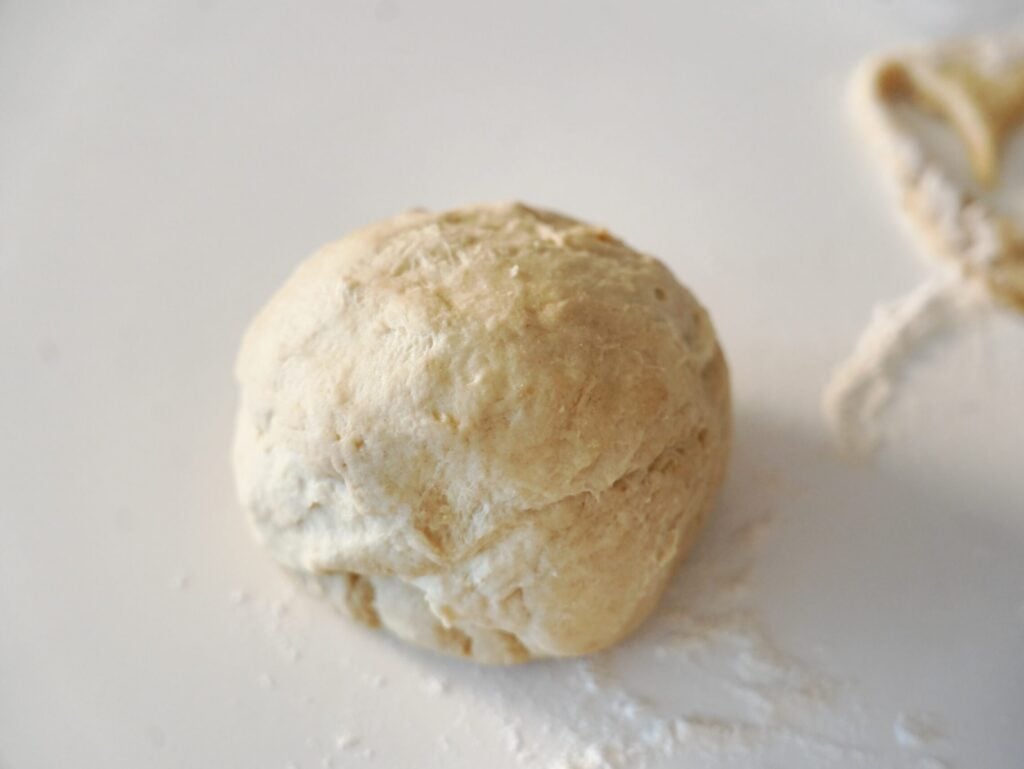
I've seen a lot of fast bread recipes in my time, but this High Protein Greek Yogurt Dough actually delivers on its promises. By swapping a portion of standard flour for FitFlour, we are building a functional, macro-friendly tool for your kitchen. I use this for everything from quick dinner rolls to pizza crusts because it's fast, reliable, and packs a massive protein punch without a single gram of yeast. If you're tired of waiting hours for a dough to rise, or you want a dough that you can prep and leave in the fridge overnight, this is your solution.
If you're looking for other High Protein hits from the archive, try these:
- Gluten Free High Protein Bagels: A perfect use for this dough style with a focus on breakfast.
- High Protein Cinnamon Raisin Bagels Air Fryer Recipe: The sweet version of a high-protein base.
- High Protein Sourdough Bread (50% More Protein): For when you want that authentic fermented flavor with optimized macros.
The Hydration Strategy
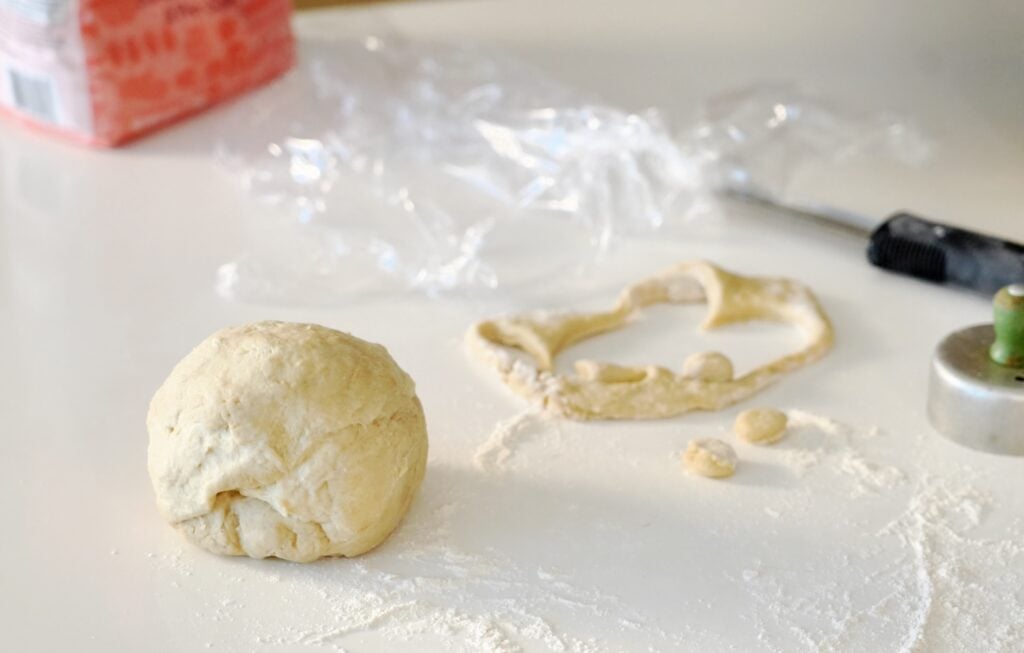
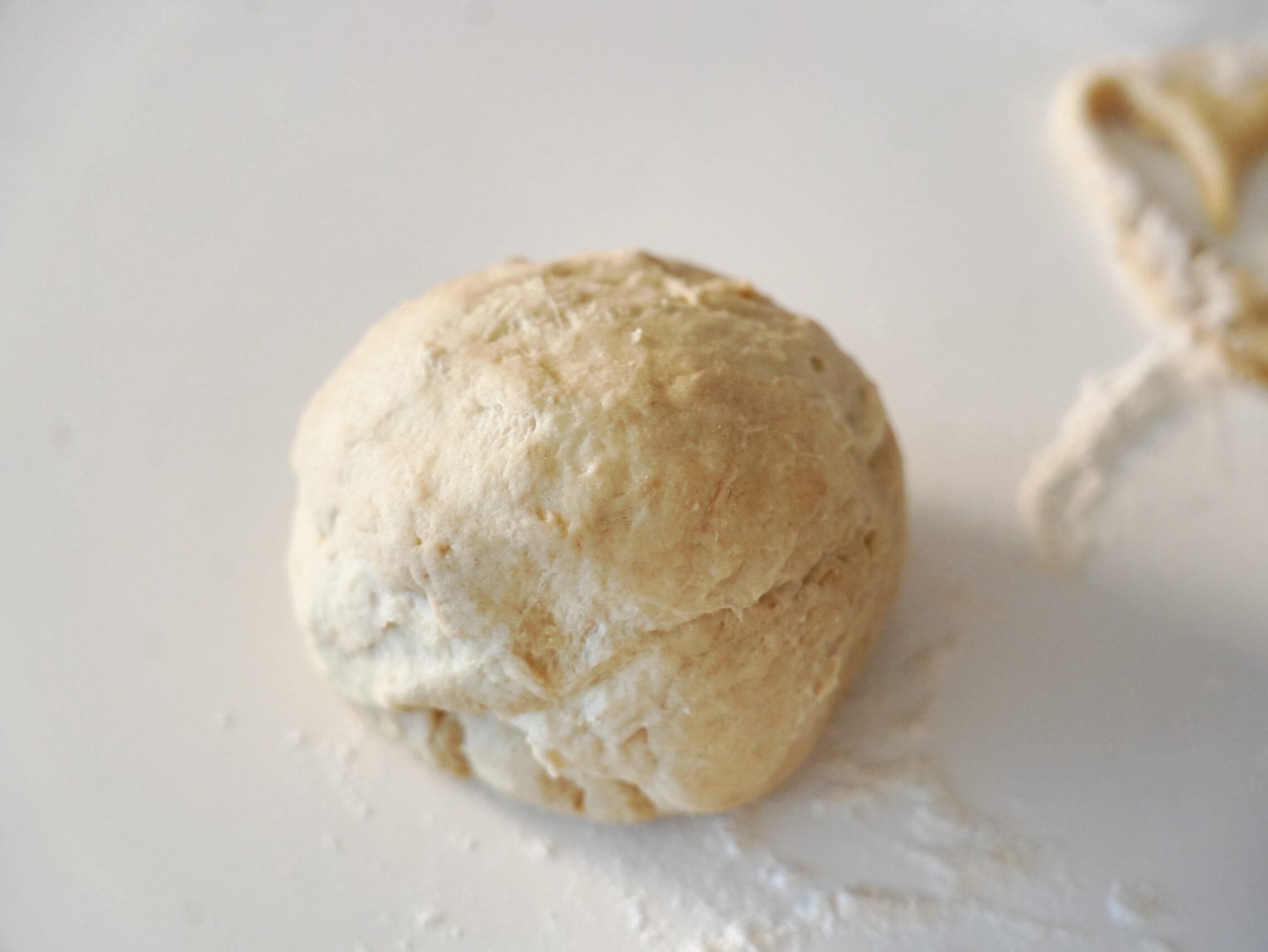
The secret to why this works without yeast is the chemical reaction between the lactic acid in the Greek yogurt and the manual addition of baking powder. However, because FitFlour is highly absorbent due to its whey and casein content, we include 2 tablespoons of water to ensure the dough hydrates properly. When you first mix this, it will look incredibly shaggy and messy—much more so than a standard wheat dough. That is intentional. A dedicated resting period allows the protein-heavy flour to fully absorb the moisture, transforming a crumbly bowl of ingredients into a pliable, easy-to-handle dough.
Why You'll Love This Recipe
- Massive Protein Boost: By combining FitFlour and Greek yogurt, we are nearly doubling the protein content of standard doughs.
- Controlled Hydration: The addition of water ensures the high-protein grains don't dry out the crumb, keeping the final bake tender.
- The Resting Secret: A simple rest (either 10 minutes on the counter or overnight in the fridge) transforms a sticky, shaggy mess into a professional-grade dough.
- Versatile Texture: This dough can be rolled thin for a crispy pizza or kept thick for a soft, chewy bagel or pretzel.
Key Equipment Focus
Digital Kitchen Scale: Precision is everything here. Because Greek yogurt density varies wildly by brand, weighing your ingredients (especially the 240g of yogurt and 6g of salt) is the only way to ensure the dough isn't too sticky or too dry.
Silicone Spatula Set: High-protein doughs start off very tacky and shaggy. A high-quality silicone spatula allows you to fold the ingredients effectively to incorporate every bit of dry flour from the bottom of the bowl.
Cast Iron: If you are using this dough for pizza or flatbreads, a preheated cast iron skillet provides the thermal mass needed to crisp the bottom of the dough instantly.
Ingredient Deep Dive & Strategy
- FitFlour: This provides the high-protein base while maintaining the bakeability of traditional flour. It absorbs a lot of liquid, which is why the dough initially looks shaggy. (Use Code: Bakedlean).
- All-Purpose Flour: I use a 3/4 cup blend of regular flour to ensure there is enough starch to provide a traditional “bread-like” chew and elasticity.
- Non-fat Greek Yogurt: This provides the hydration and the acidic catalyst. I recommend a thick, strained yogurt (like Fage).
- Water: Two tablespoons are essential here. The flour blend is thirsty, and this extra moisture ensures the dough reaches the correct consistency during the resting phase.
- Baking Powder: Since we aren't using self-rising flour, this is mandatory. It reacts with the yogurt's acidity to create the rise.
- Fine Sea Salt: We use exactly 6 grams (about 1 teaspoon). High-protein flours can taste “flat” without proper seasoning; this exact amount sharpens the overall profile without making it overly salty.
Tools I Use for This Recipe

Etekcity Digital Kitchen Scale
A suggested scale for weighing the flour, yogurt, and salt accurately so the high-protein dough hydrates consistently.

ChefAide Silicone Spatula Set
Useful for folding the sticky dough and scraping all of the dry flour from the bowl before the rest.

Lodge 10.25-Inch Cast Iron Skillet
A suggested skillet for pizza or flatbread versions, where strong heat helps crisp the bottom of this moist dough.
This post contains affiliate links. As an Amazon Associate, I earn from qualifying purchases.
High Protein Greek Yogurt Dough Step by Step Instructions
1. Prep the dry base:
Using your Digital Kitchen Scale, whisk together 1 cup (120g) of FitFlour, 3/4 cup (95g) regular flour, 2.5 teaspoons of baking powder, and 1 teaspoon (6g) of fine sea salt in a large bowl.
2. Mix until shaggy:
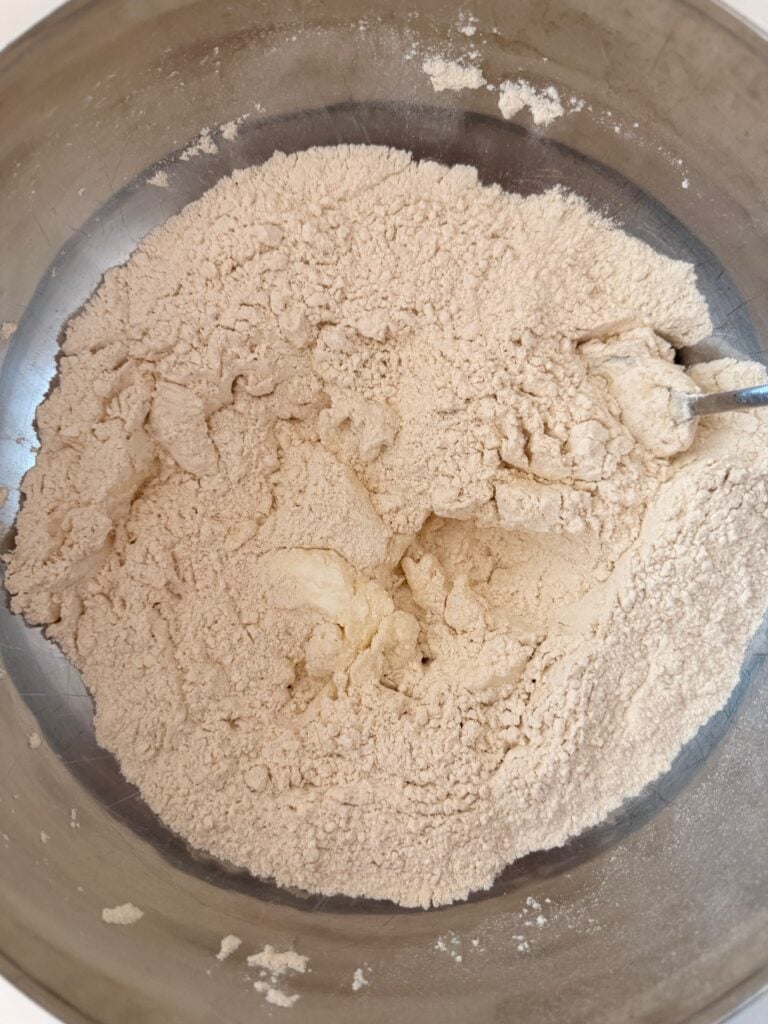
Add 1 cup (240g) of Greek yogurt and 2 tablespoons of water to the dry ingredients. Use your Silicone Spatula Set to fold the mixture together.
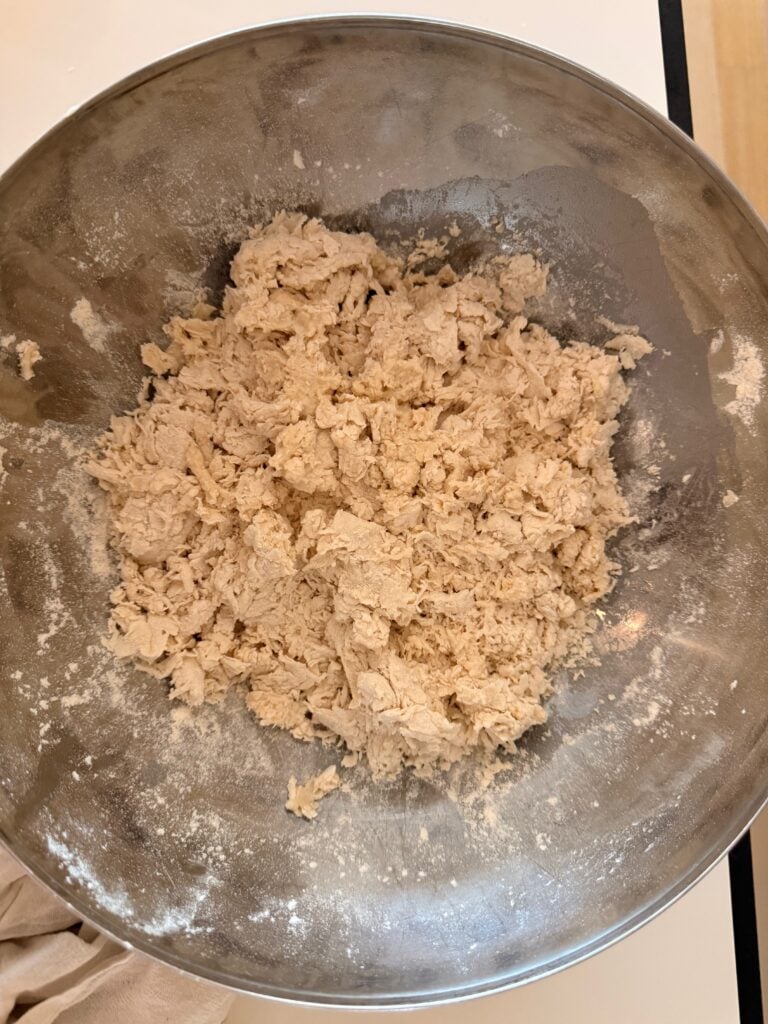
Pro Tip: Expect the dough to look significantly more shaggy, messy, and uncoordinated than a standard flour dough at this stage. Do not add more liquid; the FitFlour simply needs time to absorb what is in the bowl.
3. The critical rest:
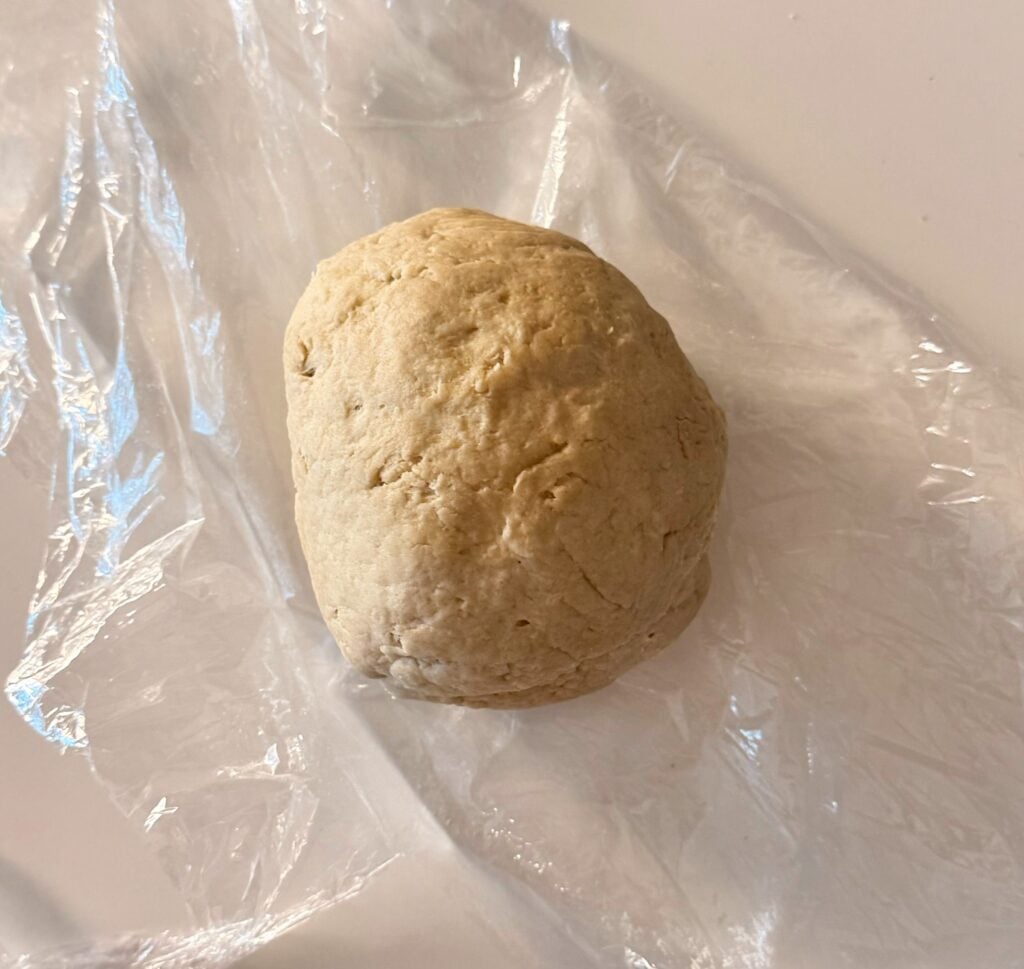
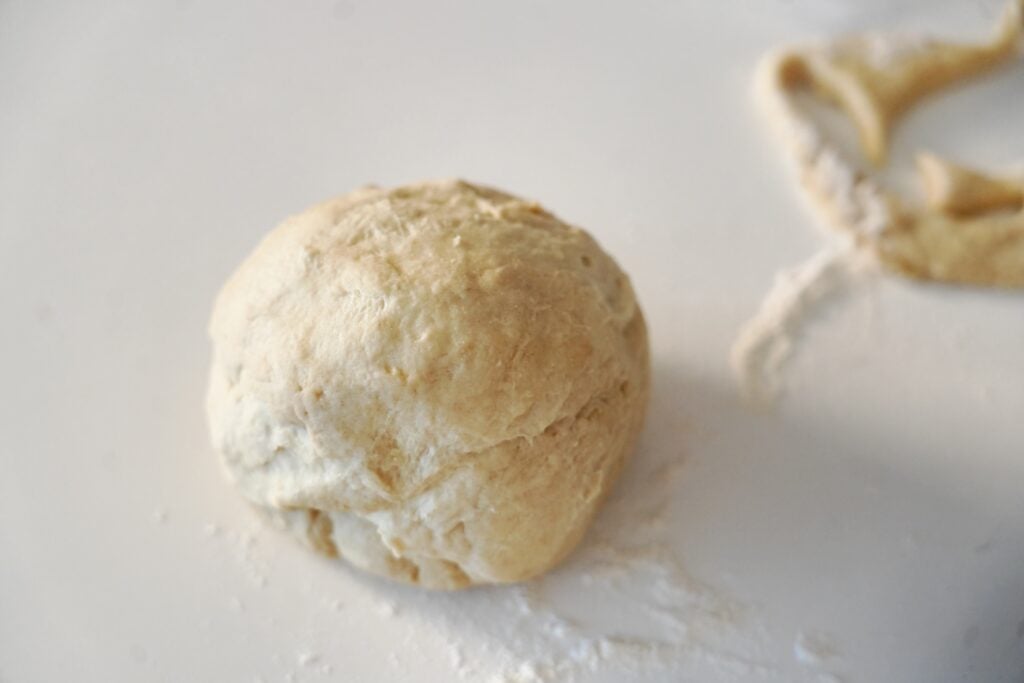
Cover the bowl tightly. You can let the shaggy dough rest on the counter for 10-15 minutes if you are in a rush. Alternatively, wrap the shaggy mass tightly in plastic wrap and let it rest in the fridge overnight. The longer it rests, the more water the protein absorbs, making it incredibly smooth the next day.
4. Knead and Shape:
Turn the rested dough out onto a surface lightly dusted with flour. Knead for 1–2 minutes until completely smooth, then shape into bagels, rolls, or a pizza crust. Bake at 375°F (190°C) until golden brown.
Pro Tip: If you rested the dough overnight in the fridge, let it sit at room temperature for about 10 minutes before trying to roll it out with a pin for pizza crusts.
Troubleshooting & FAQ
- Why does my dough look like a crumbly mess when mixing? Because FitFlour has a high protein content, it absorbs moisture slower than standard flour. The shaggy texture is normal. The resting phase fixes this completely.
- Can I leave it in the fridge longer than overnight? You can leave it wrapped in plastic in the fridge for up to 48 hours. Beyond that, the baking powder may lose some of its leavening power.
- Is the dough supposed to be salty? The 6 grams of salt provides a perfectly balanced, neutral bread flavor. If you are making a sweet variation (like a cinnamon sugar bagel), you can reduce the salt to 3 grams (1/2 teaspoon).
- Can I bake this in the air fryer? Absolutely. Use your air fryer at 350°F for 10-12 minutes for smaller items like bagels or rolls.
- Why didn't my dough rise? Check your baking powder. If it's expired, it won't react with the yogurt to create the necessary lift in the oven.
Substitutions Table
| Component | Swap Options |
| FitFlour | Any high-protein flour blend (though macros and hydration needs will alter) |
| Non-fat Greek Yogurt | 2% or 5% Greek yogurt for a richer crumb |
| Baking Powder | 1/2 tsp Baking Soda + 1/2 tsp Cream of Tartar |
| Fine Sea Salt | Kosher salt (you will need to use slightly more by volume, stick to 6g by weight) |
Storage & Reheating
- Fridge: Store raw, unbaked dough wrapped tightly in plastic wrap for up to 48 hours. This actually improves the texture.
- Freezer: You can freeze the shaped, unbaked dough. Wrap tightly in plastic. Thaw in the fridge overnight before baking.
- Reheating: Reheat already-baked items in the oven at 350°F (175°C) for 5 minutes. Avoid the microwave, which can make high-protein doughs turn rubbery.
You Might Also Like
If you're trying to hit your protein goals with Bread, you'll want to see these three hits from the archive.
- Gluten Free High Protein Bagels
- Buffalo Chicken Cornbread Waffles High Protein
- 3 Ingredient Bean Cheese Sheet Tray Wraps The Grain Free Protein Hack
The Final Verdict & Share
This High Protein Greek Yogurt Dough is the ultimate tool for your meal prep. By respecting the hydration process and letting the dough rest—whether for ten minutes or overnight—you get a professional-grade base that hits your macros and tastes incredible. Make a batch, tag me in your creations, and let me know what you shaped it into!
BAKE THIS NEXT

High Protein Greek Yogurt Dough
Ingredients
- 1 cup FitFlour approx 120g
- 3/4 cup All-Purpose Flour approx 95g
- 2.5 tsp Baking Powder
- 1 tsp Fine Sea Salt approx 6g
- 1 cup Non-fat Greek Yogurt approx 240g
- 2 tbsp Water
Method
- In a large bowl, whisk together the FitFlour, all-purpose flour, baking powder, and sea salt until fully combined.
- Add the Greek yogurt and water. Stir with a spatula. The dough will look very shaggy, dry, and messy at this stage—this is completely normal.
- Cover the bowl with a towel and let rest for 10-15 minutes, or wrap the shaggy dough tightly in plastic wrap and rest in the fridge overnight. This allows the protein to hydrate.
- Transfer to a floured surface and knead for 1-2 minutes until smooth, then shape as desired and bake at 375°F (190°C) until golden.

Leave a Reply