
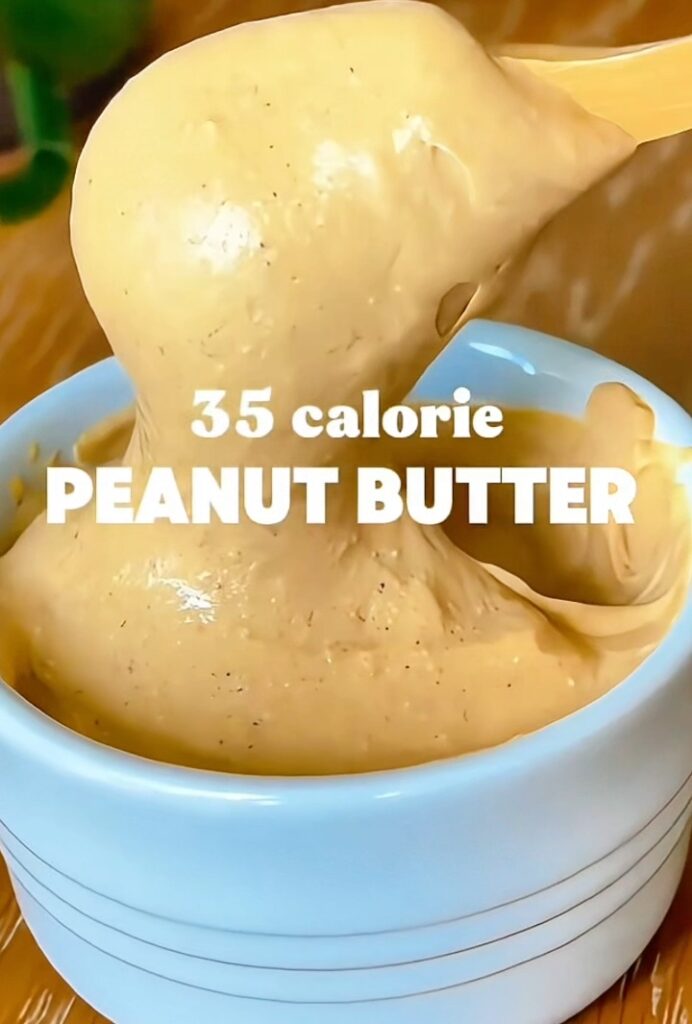
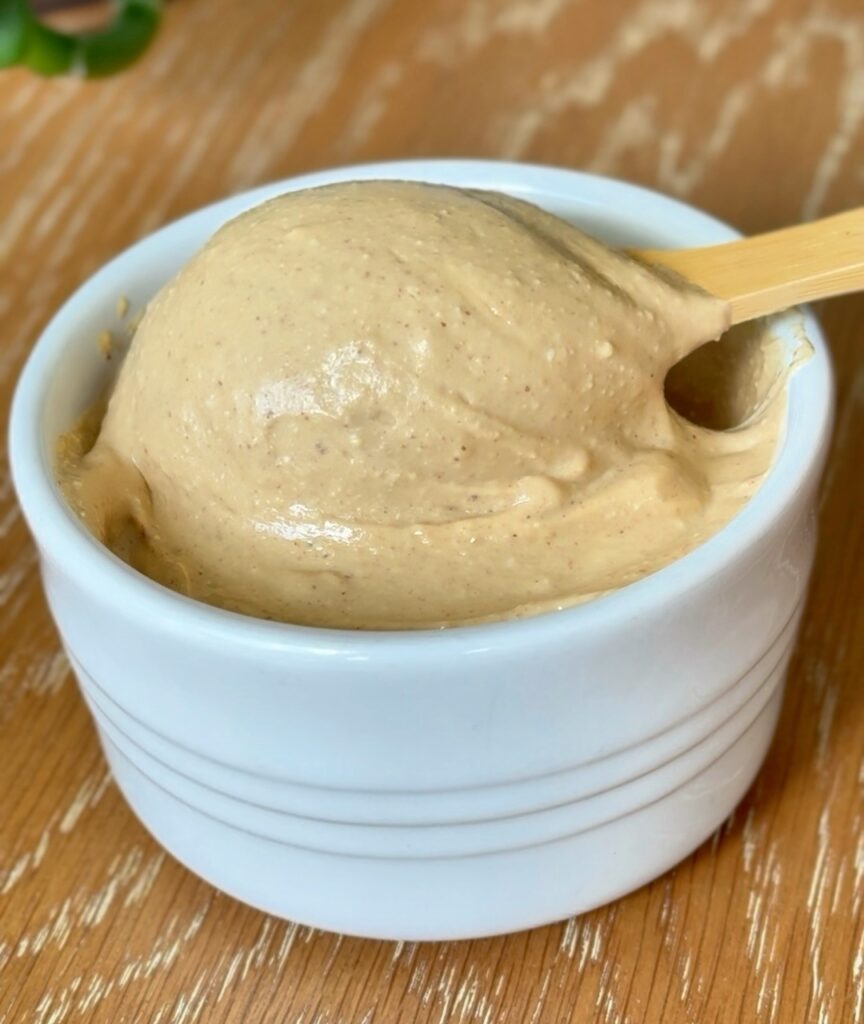
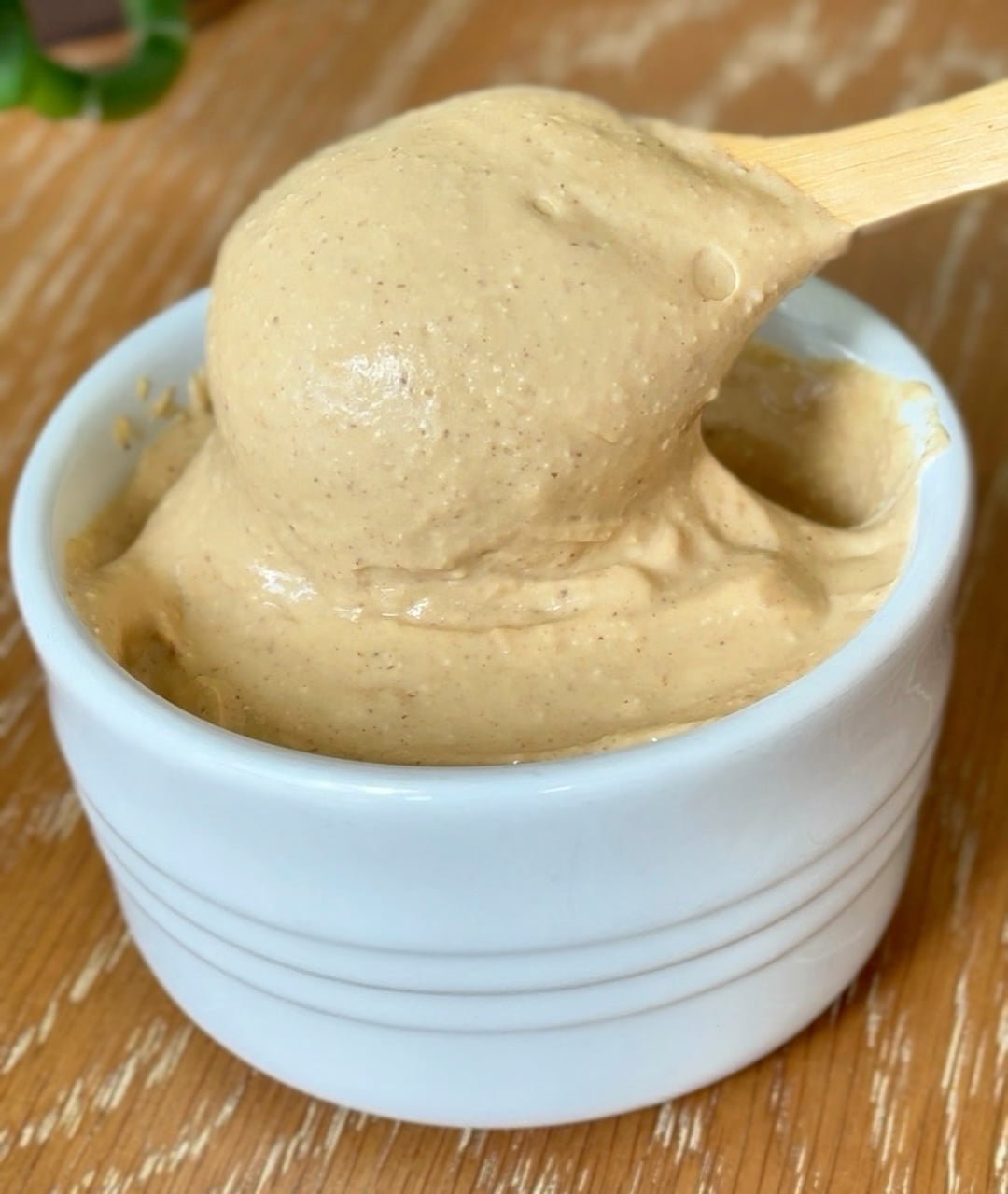
This low calorie peanut butter spread is creamy, sweet, salty, and made with low-fat cottage cheese, powdered peanut butter, and sugar-free syrup.
It is not regular peanut butter, and it is not meant to act exactly like regular peanut butter.
Regular peanut butter is mostly fat, which is why it tastes so good and why the calories add up fast. This version uses cottage cheese as the creamy base and powdered peanut butter for the peanut flavor.
The result is a lighter, higher-protein peanut butter-style spread you can use on rice cakes, toast, apples, protein pancakes, yogurt bowls, or as a dip.
Each tablespoon has about 35 calories, 4g protein, 1g fat, and 2g carbs, depending on the cottage cheese, powdered peanut butter, and syrup you use.
If you're looking for other Low Calorie Dessert hits from the archive, try these:
- Low Calorie Nutella The 25 Calorie Chocolate Spread Hack
- High Protein Brownie Batter The 2 Minute Cravings Killer
- Low Calorie Fruit Dip The 25 Calorie Guilt Free Hack
Why This Low Calorie Peanut Butter Spread Works
The cottage cheese is what makes this recipe creamy.
When blended completely smooth, cottage cheese turns into a thick, creamy base. It adds protein, moisture, and a little tang. The powdered peanut butter brings the peanut flavor without adding as much fat as regular peanut butter.
The sugar-free syrup sweetens the spread and helps everything blend smoothly.
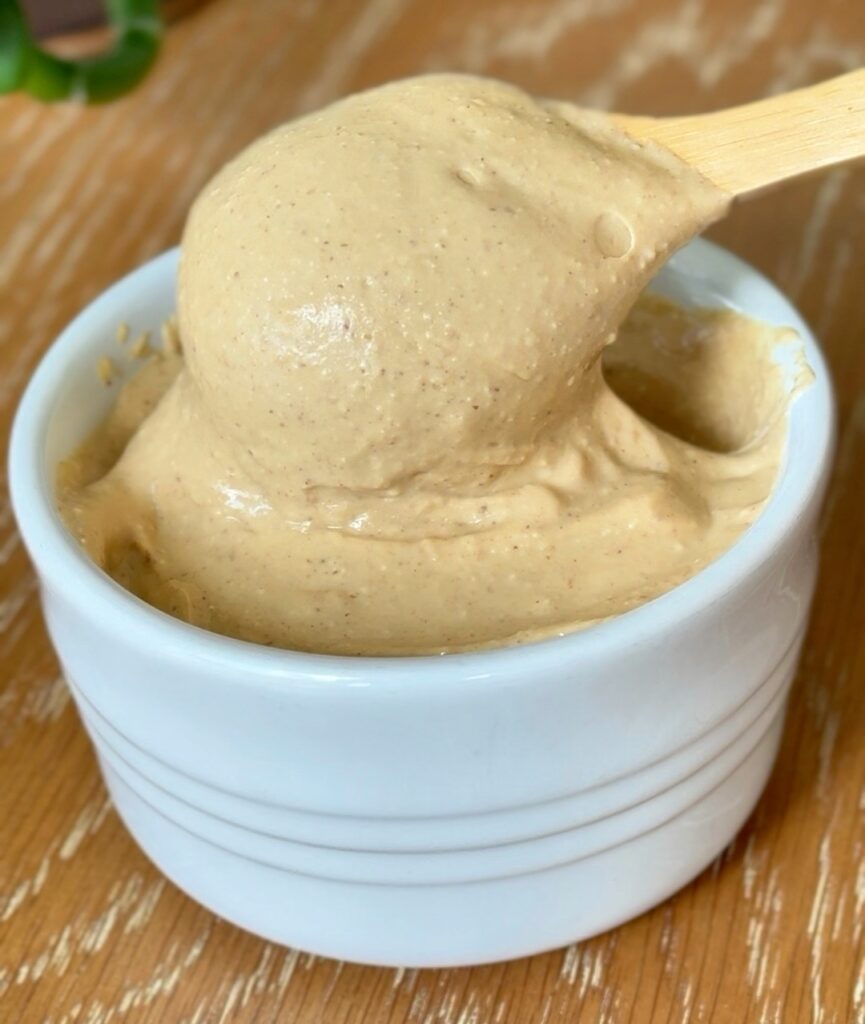
After chilling, the powdered peanut butter absorbs more moisture and the spread thickens. That gives it a better texture for spreading, dipping, or spooning over breakfast bowls.
Why You'll Love This Recipe
- 35 Calories Per Tablespoon: A lighter option when you want peanut butter flavor.
- 4g Protein Per Tablespoon: Cottage cheese and powdered peanut butter add protein.
- Only 3 Ingredients: Cottage cheese, powdered peanut butter, and sugar-free syrup.
- Creamy Texture: Blending the cottage cheese smooth gives it a spreadable base.
- Easy to Use: Add it to rice cakes, toast, pancakes, oats, fruit, or yogurt.
- Meal Prep Friendly: Make a jar and keep it in the fridge.
What Makes This Different From Regular Peanut Butter?
Regular peanut butter is made from peanuts and is naturally higher in fat and calories.
This version is different. It is a peanut butter-style spread made with cottage cheese and powdered peanut butter.
That means it is much lower in fat and higher in protein, but it also means it will not behave exactly like regular peanut butter.
It is best used as a spread, dip, topping, or dessert base. I would not use it as a direct replacement for peanut butter in baked recipes unless you are testing and adjusting the recipe.
Key Equipment Needed
Beast Blender: To get that cottage cheese completely smooth (no curds!), you need a high-torque motor. A standard food processor often leaves small grains behind, but the Beast ensures a commercial-grade texture.
Digital Scale: Precision is everything with high-protein baking and spreads. Weighing your ingredients (specifically the cottage cheese) is the only way to ensure the hydration levels are correct and the macros stay accurate.
Silicone Spatula Set: This spread is thick and sticky. Using a flexible silicone spatula allows you to scrape every gram out of the blender container, ensuring you aren't leaving your protein behind.
Ingredient Deep Dive & Strategy
- Low-fat Cottage Cheese: This acts as our primary moisture and protein source. The casein protein provides a slow-digesting base that keeps the spread thick even at room temperature.
- Powdered Peanut Butter: By using peanut flour that has had 85-90% of the fat pressed out, we keep the essential roasted peanut flavor without the 16g of fat per serving.
- Sugar-Free Syrup: This provides the necessary lubrication for the blender while adding sweetness without the glycemic load of honey or maple syrup.
- Salt (Optional Pinch): While not in the base list, a tiny pinch of sea salt enhances the “roasted” notes of the powdered peanut butter, making it taste more authentic.
The Cottage Cheese Blending Strategy
The texture depends on blending the cottage cheese completely smooth.
If you do not blend long enough, you may see small curds in the spread. That will make it taste more like cottage cheese dip than peanut butter.
Blend on high until the mixture looks glossy and smooth. Scrape down the sides if needed.
If your blender struggles with the small batch, double the recipe. Smaller amounts can be hard for some blenders to catch.
Tools I Use for This Recipe

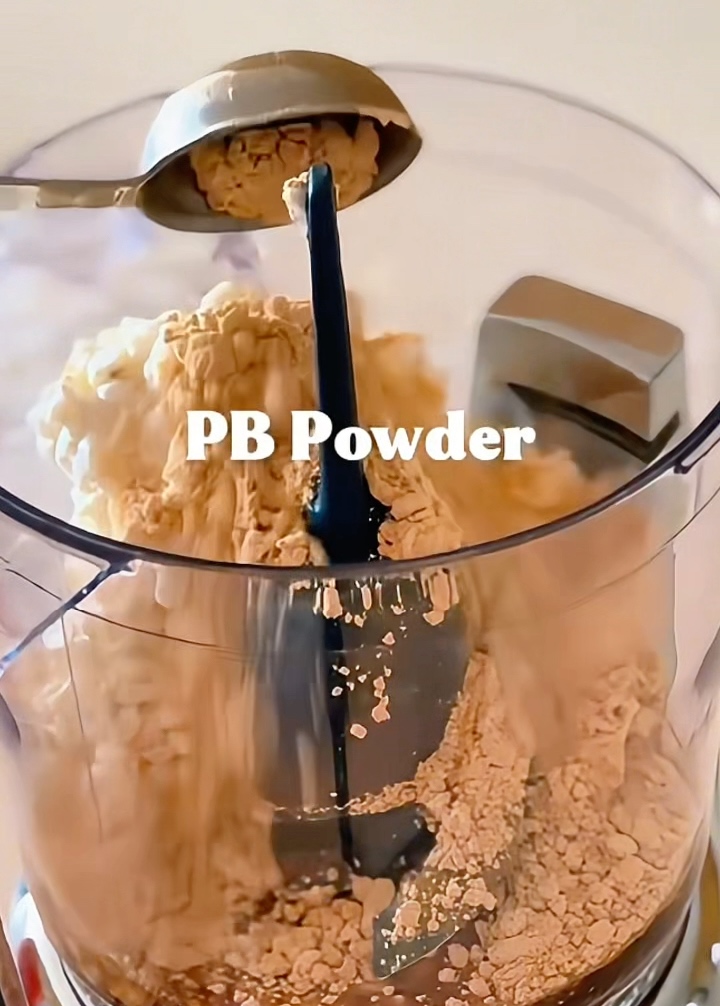
PBfit Classic Peanut Butter Powder
Suggested powdered peanut butter for the recipe's peanut flavor; brand choice can change texture and nutrition.

Ninja Fit Compact Personal Blender
Suggested compact blender for processing the cottage cheese into a smooth spread.

ChefAide Silicone Spatula Set
Suggested flexible spatulas for scraping the thick spread cleanly from the blender.
This post contains affiliate links. As an Amazon Associate, I earn from qualifying purchases.
How To Make Low Calorie Peanut Butter Spread
1. Add ingredients to the blender
Add the cottage cheese, powdered peanut butter, and sugar-free syrup to a high-speed blender.
Add a small pinch of salt if you want a stronger peanut butter flavor.
2. Blend until smooth
Blend on high until the mixture is completely smooth and creamy.
There should be no visible cottage cheese curds.
3. Scrape down the sides
Stop the blender and scrape down the sides if needed.
Blend again until the texture is even.
4. Chill
Transfer the spread to a jar or airtight container.
Refrigerate for at least 2 hours for the best texture.
The spread will thicken more as it chills.
5. Serve
Use it as a spread, dip, or topping.
It works well with rice cakes, apples, toast, protein pancakes, oats, yogurt bowls, and desserts.
Best Texture Tips
For the best low calorie peanut butter spread:
- Use a high-speed blender.
- Blend until no curds remain.
- Chill for at least 2 hours before serving.
- Add a pinch of salt for more peanut flavor.
- Double the batch if your blender struggles.
- Stir before serving if any liquid separates.
- Use as a cold spread or dip, not as a direct baking replacement.
Troubleshooting & FAQ
Why does my spread taste like cottage cheese?
It may not have been blended long enough, or you may need more powdered peanut butter or sweetener. Blend until completely smooth and adjust to taste.
Why is my spread too thick?
Add a small splash of milk or a little more sugar-free syrup and blend again.
Why is my spread too thin?
Add more powdered peanut butter and chill it. The spread thickens more after sitting in the fridge.
Can I use fat-free cottage cheese?
Yes. Fat-free cottage cheese works, but low-fat cottage cheese usually gives a creamier texture.
Can I use Greek yogurt instead of cottage cheese?
Yes, but the flavor will be tangier and the spread may be thinner. Cottage cheese gives a thicker texture once blended.
Can I use regular peanut butter instead of powdered peanut butter?
You can add a small spoonful for a richer flavor, but regular peanut butter will increase the calories and fat.
Can I use this in baking?
Not as a direct replacement for peanut butter. This spread has much more moisture and less fat than regular peanut butter, so it will behave differently in baked recipes.
Can I make it sweeter?
Yes. Add more sugar-free syrup, monk fruit, or your preferred sweetener to taste.
Can I make it chocolate?
Yes. Add cocoa powder and a little extra syrup or sweetener to make a chocolate peanut butter version.
Does it separate in the fridge?
It may separate slightly after a few days. Just stir it before using.
Substitutions Table
| Component | Swap Options |
| Low-fat Cottage Cheese | Fat-free Greek Yogurt or Silken Tofu |
| Powdered Peanut Butter | Powdered Almond Butter or Cocoa Powder |
| Sugar-Free Syrup | Monk fruit sweetener or liquid stevia |
| Extra Creaminess | 1 tsp coconut oil |
Storage & Reheating
Store the spread in a sealed jar or airtight container in the refrigerator for up to 5 days.
Stir before serving if any liquid separates.
If the spread becomes too firm, microwave a serving for 5 to 10 seconds or let it sit at room temperature for a few minutes.
Serving Ideas
Use this low calorie peanut butter spread on:
- Rice cakes
- Toast
- Protein pancakes
- Waffles
- Apple slices
- Banana slices
- Greek yogurt bowls
- Oatmeal
- Cottage cheese bowls
- Chocolate rice cakes
- Frozen desserts
- Protein brownies
You Might Also Like
- High Protein No Bake Cookie Dough Tastes Like The Real Thing
- High Protein Dunkaroo Dip The Birthday Cake Macro Hack
- Healthy Cookie Butter High Protein Biscoff Spread
The Final Verdict & Share
This low calorie peanut butter spread is a simple way to get peanut butter flavor with more protein and fewer calories than regular peanut butter. It is creamy, easy to blend, and great as a dip, topping, or sweet spread. Make a jar, chill it, and tag me if you try it.
BAKE THIS NEXT
Low Calorie Peanut Butter (High-Protein Recipe)
Ingredients
- ¾ cup low-fat cottage cheese approx 180g
- 6 tbsp powdered peanut butter like PB Fit or PB2
- ¼ cup sugar-free syrup maple or pancake flavor
Method
- Place the cottage cheese, powdered peanut butter, and sugar-free syrup into a high-speed blender.
- Blend on high until the mixture is completely smooth and creamy, with no visible cheese curds remaining.
- Transfer the spread to an airtight jar and store in the refrigerator for at least 2 hours to allow it to thicken.

Leave a Reply