
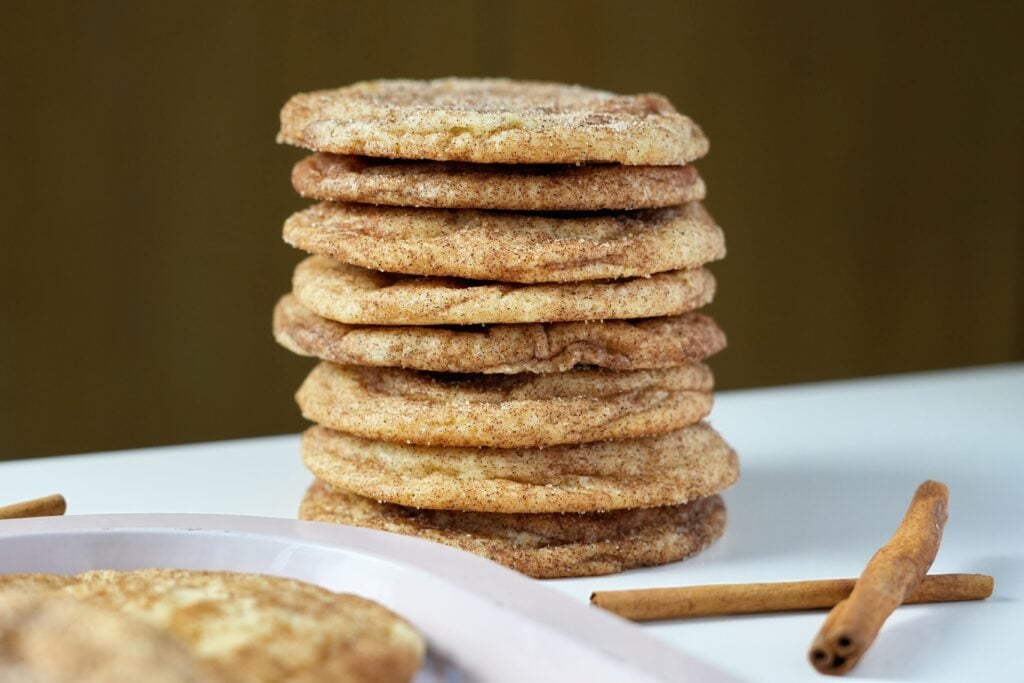
I've developed and tested dozens of cookie recipes, but the traditional snickerdoodle recipe requires a highly specific approach to get right. It's not just a basic sugar cookie rolled in cinnamon; it is an entirely different structural bake. It is about balancing that specific tang from the cream of tartar with a pillowy, tender cookie texture that doesn't dry out. For this version, I've taken the classic old-fashioned foundation and introduced 2 teaspoons of malted milk powder.
This addition doesn't change the fundamental identity of the bake, but it adds a toasted, nostalgic depth that bridges the gap between the sweet cinnamon-sugar topping and the rich buttery dough. If you are tired of flat, lifeless cookies and want a clean-ingredient, authentic bake that delivers reliable, bakery-level results to satisfy your cravings, this is the exact formula you need.
If you're looking for other Cookies hits from the archive, try my:
- Old Fashioned Toll House Chocolate Chip Cookies Original Style
- Easy To Follow Old Fashioned Pineapple Drop Cookie Recipe
- Grandmas 7 Layer Cookies Magic Bars
The Malted Milk Strategy
Incorporating malted milk powder into a standard dough introduces barley malt and milk solids to the mix. When these ingredients hit the heat of the oven, they undergo a rapid Maillard browning reaction. This adds a profound layer of depth and a toasted dairy note that perfectly rounds out the sharp acidity of the cream of tartar. It mimics the deep, savory flavor profile found inside a malted milk ball, but without the heavy chocolate coating or excessive sugar. This technique prevents the cookie from tasting one-dimensionally sweet, resulting in a rich, complex profile that most home bakers completely miss when making standard snickerdoodles.
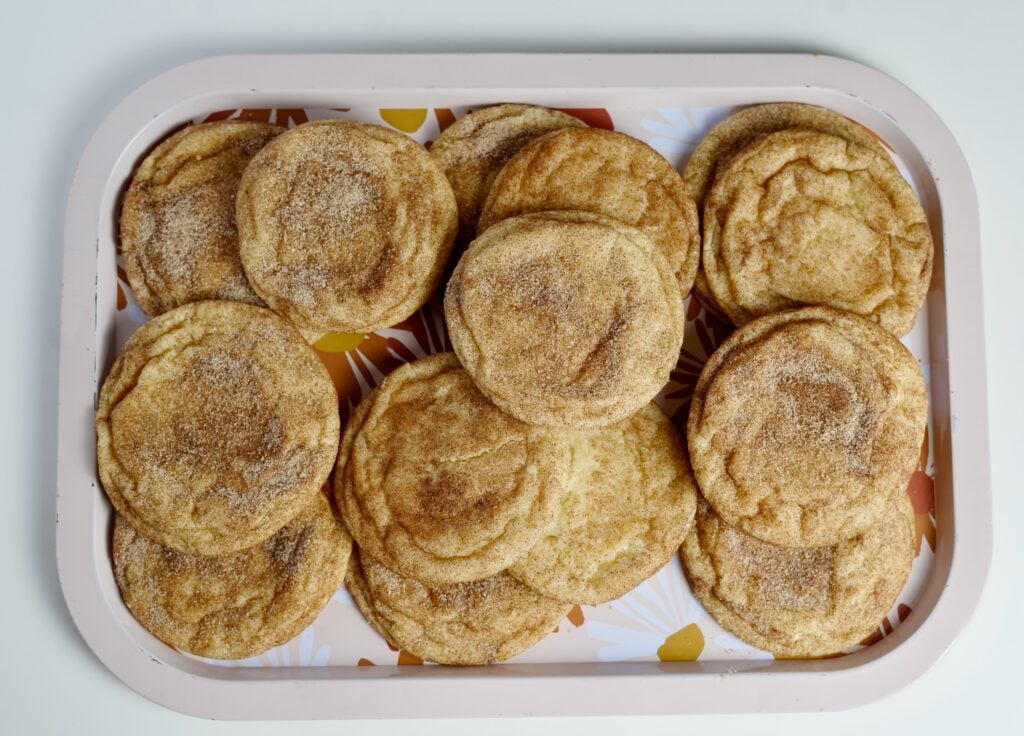
Why You'll Love This Recipe
- The Ultimate Tender Cookie: The exact ratio of leavening agents ensures a thick, soft center that doesn't flatten into a crisp disc on the baking sheet.
- The Perfect Tang: Authentic snickerdoodle cookies require a specific acidic bite. This dough balances that iconic zing with deep malt flavors for an addictive taste.
- Clean, Simple Ingredients: There is no shortening or artificial flavorings here. Just pure butter, purpose flour, white sugar, and standard pantry staples for an honest, high-quality bake.
- Nostalgic Flavor Profile: The addition of malted milk powder provides a warm, toasted background note that elevates the cinnamon and sugar exterior, making these taste like they came straight out of a vintage bakery.
- Highly Adaptable: Whether you want giant bakery-style cookies or you want to scale them down into snickerdoodle cookie bites for an event, this dough holds its shape perfectly.
What makes a Snickerdoodle a Snickerdoodle?
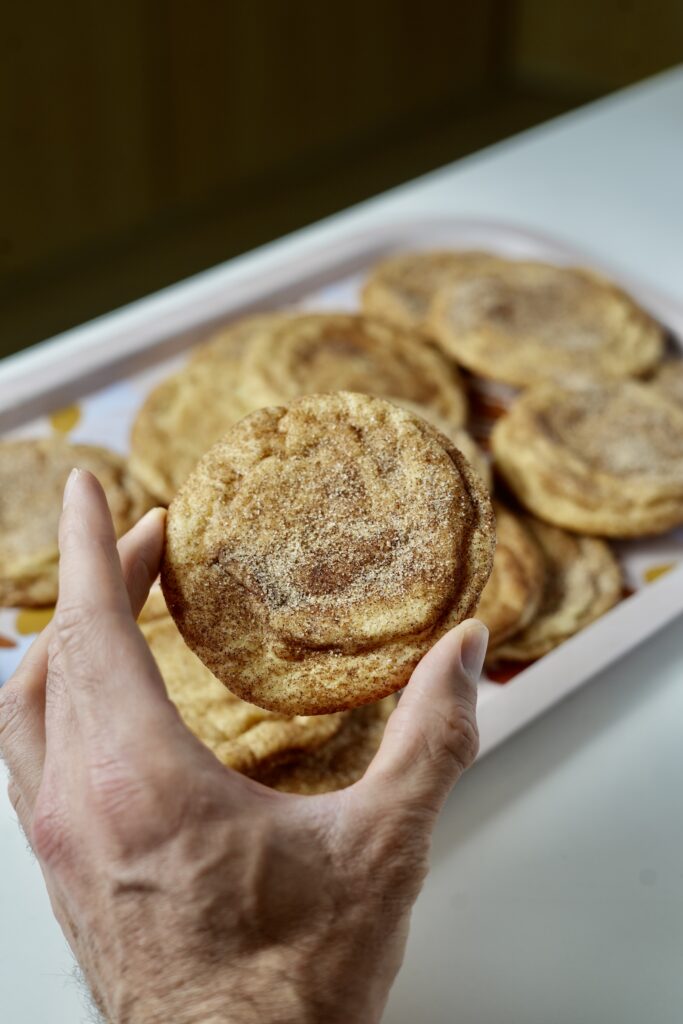
The secret to a real snickerdoodle flavor is the chemical interaction between cream of tartar and baking soda. While the vast majority of cookie recipes rely on baking powder for lift, the snickerdoodle requires this specific acid-alkaline combination to provide its unique rise and slightly acidic tang. By adding malted milk powder to this recipe, we enhance that traditional base. The malt solids toast during baking, creating a complex, savory undertone that perfectly contrasts the bright, sweet crunch of the cinnamon-sugar crust. Furthermore, the cream of tartar actively prevents the granulated sugar from fully crystallizing as the cookie cools, which is exactly why snickerdoodles maintain a soft, bendable texture for days rather than turning brittle.
Key Equipment Focus
Stand Mixer: Achieving proper aeration in your butter and sugar is critical. Creaming the fats in the bowl of a stand mixer until pale and fluffy is what gives these cookies their initial rise and tender crumb.
Digital Kitchen Scale: Precision dictates texture. Measuring your dry ingredients by volume is the primary reason home-baked cookies turn out dry or dense. Weighing your all-purpose flour to exactly 380 grams ensures the hydration levels in the dough are perfectly calibrated.
Cookie Scoop Set: Uniform portioning is the only way to guarantee an even bake across your trays. A standard cookie scoop ensures every single piece finishes baking at the exact same second.
Silicone Spatula Set: You must scrape the sides of the bowl thoroughly after the creaming stage. This prevents pockets of dry flour mixture or unmixed butter from ruining the structural integrity of individual cookies.
Ingredient Deep Dive & Strategy
- Cream of Tartar: Functions as the primary acid in the dough. It reacts with the alkaline baking soda to provide lift, while also slightly breaking down gluten strings to ensure a tender cookie rather than a chewy, bread-like one.
- Malted Milk Powder: Introduces toasted milk powder and barley malt. These components increase the browning reaction in the oven, adding a deep, savory flavor that contrasts the sweet cinnamon exterior and enhances the overall taste profile.
- Unsalted Butter: Provides the necessary fat for tenderness and structure. Bringing it to room temperature (around 65°F) allows it to properly emulsify with the granulated sugar, trapping air during the creaming process.
- Baking Soda & Kosher Salt: The baking soda is the alkaline leavening agent that reacts with the tartar to create carbon dioxide gas bubbles, puffing the dough upward. The salt is mandatory to cut the sweetness and bring the malt flavor forward.
- All-Purpose Flour: We use standard purpose flour rather than cake or bread flour to strike the exact middle ground between a soft interior and a sturdy enough exterior to hold the heavy cinnamon-sugar coating.
Tools I Use for This Recipe

Suggested: King Arthur Malted Milk Powder
Adds the malt flavor that distinguishes these snickerdoodles; results may vary by brand.

Suggested: Stainless Steel Cookie Scoop Set
Helps portion evenly sized cookies for consistent baking.
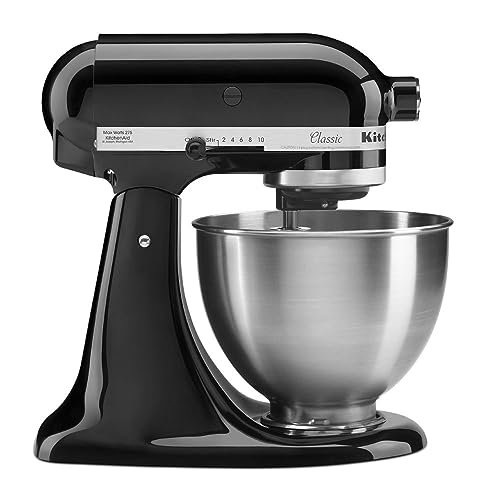
Suggested: KitchenAid Classic Stand Mixer
Makes creaming butter and sugar thoroughly easier for a tender cookie texture.
This post contains affiliate links. As an Amazon Associate, I earn from qualifying purchases.
Malted Milk Snickerdoodle Step by Step Instructions
1. Prep the oven and baking sheet:
Preheat your oven to 350°F (175°C). Line heavy-duty trays with parchment paper. Avoid greasing the pans directly with spray, as excess oil will cause the cookie dough to spread too rapidly and lose its thick, domed structure.
2. Cream the butter and white sugar:
Place the softened, room temperature butter and 1 ½ cups of granulated sugar into the bowl of a stand mixer. Beat on medium-high speed for 3 to 4 minutes until the mixture turns pale and significantly increases in volume.
Pro Tip: Your butter should be cool room temperature. If it is too warm or greasy to the touch, it will not hold the air pockets required to make the baked cookies puff up correctly.
3. Incorporate the wet ingredients:
Add the large eggs one at a time, mixing thoroughly on medium speed after each addition. Use your silicone spatula to scrape down the sides of the bowl and the bottom so the emulsion remains perfectly stable.
4. Whisk the dry ingredients:
In a separate large bowl, use a wire whisk to combine the weighed flour, cream of tartar, baking soda, kosher salt, and the malted milk powder. This ensures the leavening agents and malt are evenly distributed throughout the flour mixture before hitting the wet mixture.
5. Combine the cookie dough:
Gradually pour the dry mixture into the wet ingredients with the mixer running on low speed. Mix only until the white streaks of flour disappear. Overmixing at this stage will rapidly develop the gluten and result in a tough texture.
Pro Tip: If your kitchen is hot and the dough feels overly sticky or warm, cover the bowl and place it in the fridge for 30 minutes before rolling. Chilling solidifies the butter and gives you total control over the spread in the oven.
6. Apply the cinnamon-sugar topping:
Mix the remaining 2 tablespoons of sugar and 2 teaspoons of cinnamon in a small, shallow dish. Portion the dough using a medium cookie scoop, gently roll them between your palms into smooth balls, and completely coat each one in the cinnamon-sugar mixture. Place them exactly 2 inches apart on the prepared baking sheet.
7. Monitor the baking time:
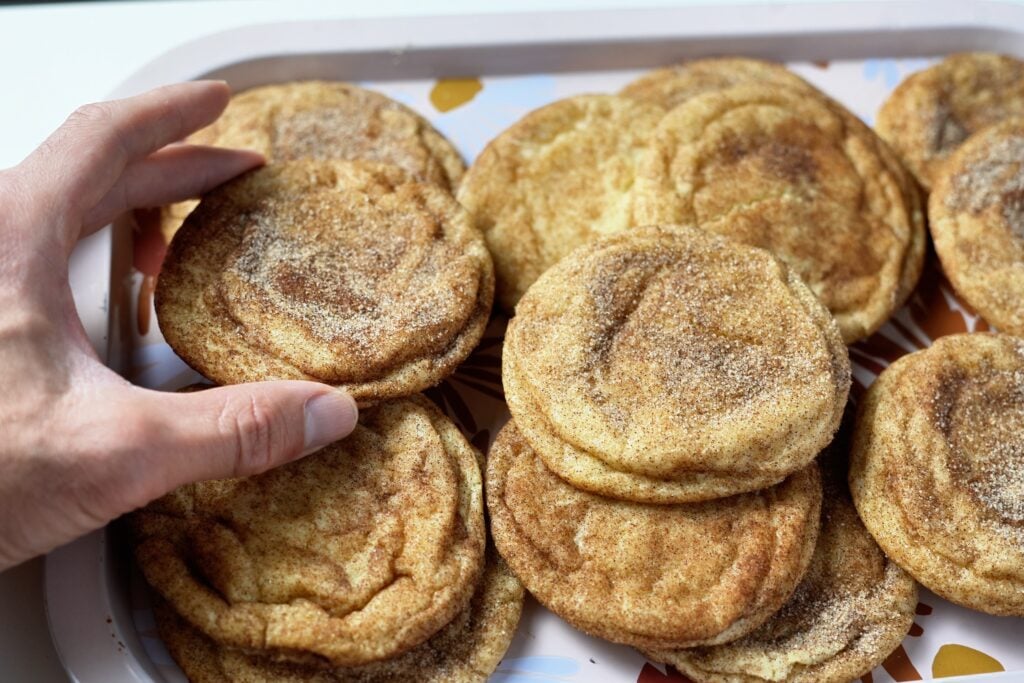
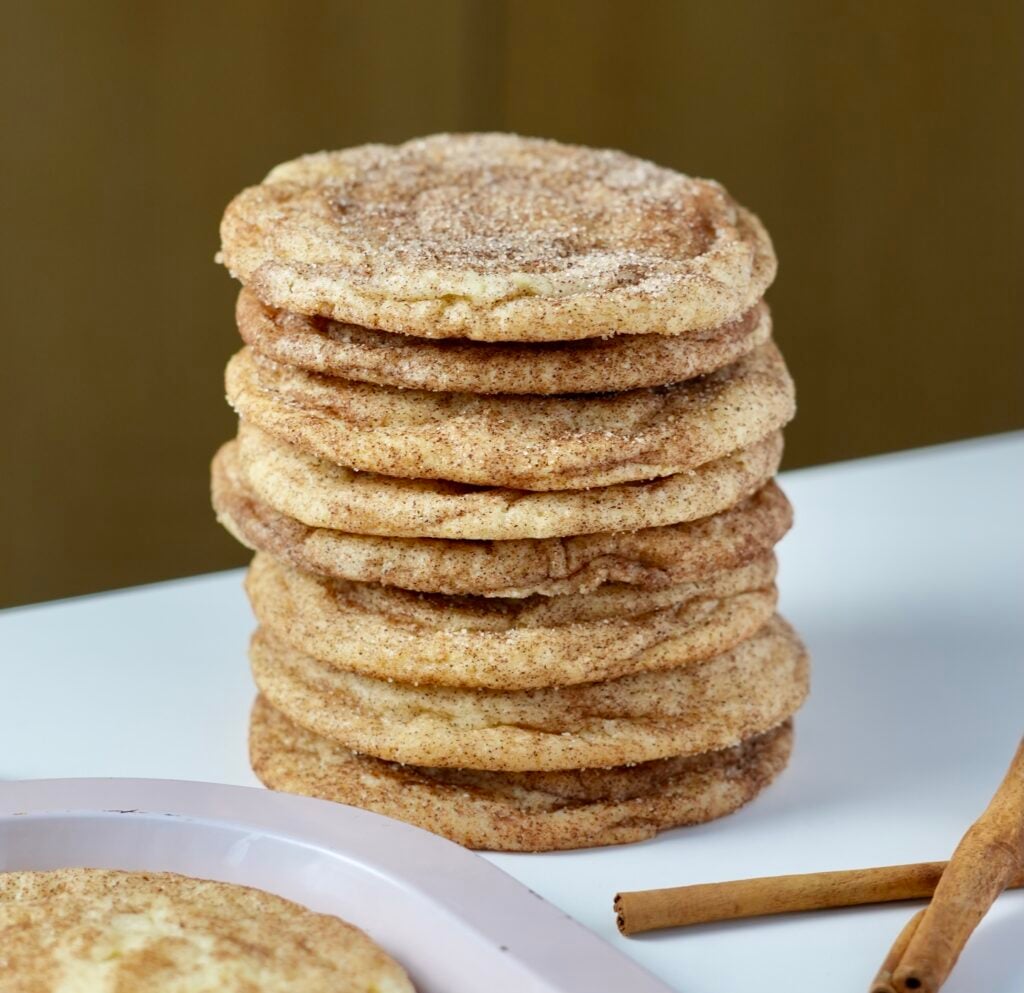
Bake for 9 to 11 minutes. The baked cookies should look set and slightly crinkled around the edges but still soft and slightly puffed in the direct center. Allow them to cool on the pan for 5 minutes to finish carrying over heat before transferring them to a wire rack.
Troubleshooting & FAQ
- Why do my snickerdoodles come out hard? Hard, crunchy snickerdoodles are the result of three specific errors: measuring flour by volume instead of weight (resulting in too much dry matter), overmixing the dough and developing the gluten, or simply leaving them in the oven too long. You must pull them while the centers still look slightly underbaked.
- What are some common mistakes to avoid when making snickerdoodles? The biggest mistake is skipping the cream of tartar. Without it, you are making a standard cinnamon sugar cookie. The second most common mistake is using butter that is too warm and greasy, which causes the cookies to melt into flat puddles on the baking sheet.
- Why do my snickerdoodles taste sour? Snickerdoodles are supposed to have a slight tang, but if they taste aggressively sour or metallic, your ratio of cream of tartar to baking soda is off, or your baking soda is expired and failed to neutralize the acid properly.
- Can you overmix snickerdoodles? Yes. Once you pour the dry ingredients into the wet ingredients, you must mix on low speed just until the flour disappears. Overworking the dough creates a tough, bread-like structure rather than a tender cookie.
- What does malted milk powder add to cookies? It adds a savory, toasted depth. The milk solids brown quickly in the oven, giving the cookie a complex bakery-style flavor that perfectly balances the heavy cinnamon and granulated sugar coating.
- What is a substitute for malted milk powder in baking? If you cannot find malted milk powder, you can substitute it with an equal amount of toasted milk powder or maca powder. Alternatively, omit it and add 1 teaspoon of high-quality vanilla extract to the wet ingredients for a different flavor profile.
Substitutions Table
| Component | Swap Options |
| Malted Milk Powder | Omit entirely, or substitute with 1 teaspoon of vanilla extract or maca powder. |
| Unsalted Butter | Standard vegan block butter (not tub margarine) works well for a dairy-free option. |
| Cream of Tartar | Replace the tartar and baking soda entirely with 2 teaspoons of baking powder (note: this alters flavor and texture significantly). |
| All-Purpose Flour | A high-quality 1:1 gluten-free baking blend containing xanthan gum can be swapped by exact weight. |
| Granulated Sugar | You can use a 1:1 monkfruit granular sweetener, but expect the exterior crunch to be slightly different. |
Storage
Store the cooled baked cookies in an airtight container at room temperature for up to 5 days. The cream of tartar naturally helps them retain their soft texture and prevents them from drying out quickly. If you want to recreate that fresh-from-the-oven, melting-butter feel, place a cookie on a paper towel and heat it in the microwave for exactly 5 to 7 seconds. You can also freeze the raw, uncoated cookie dough balls in a freezer-safe bag for up to 3 months; simply roll them in the cinnamon-sugar topping directly from the freezer and add 1-2 minutes to your baking time.
You Might Also Like
If you love mastering classic cookies as much as I do, these three hits from the archive are worth checking out next.
The Final Verdict & Share
This Malted Milk Snickerdoodle takes a reliable, old-fashioned standard and gives it a deep, professional bakery finish. The malted milk powder provides exactly the right amount of toasted flavor to balance the heavy cinnamon and sugar exterior, resulting in a cookie that is far superior to the standard potluck versions. Bake a batch for your next gathering, weigh your flour carefully, and make sure to share this recipe with anyone who appreciates the science of a truly soft, thick cookie.
BAKE THIS NEXT
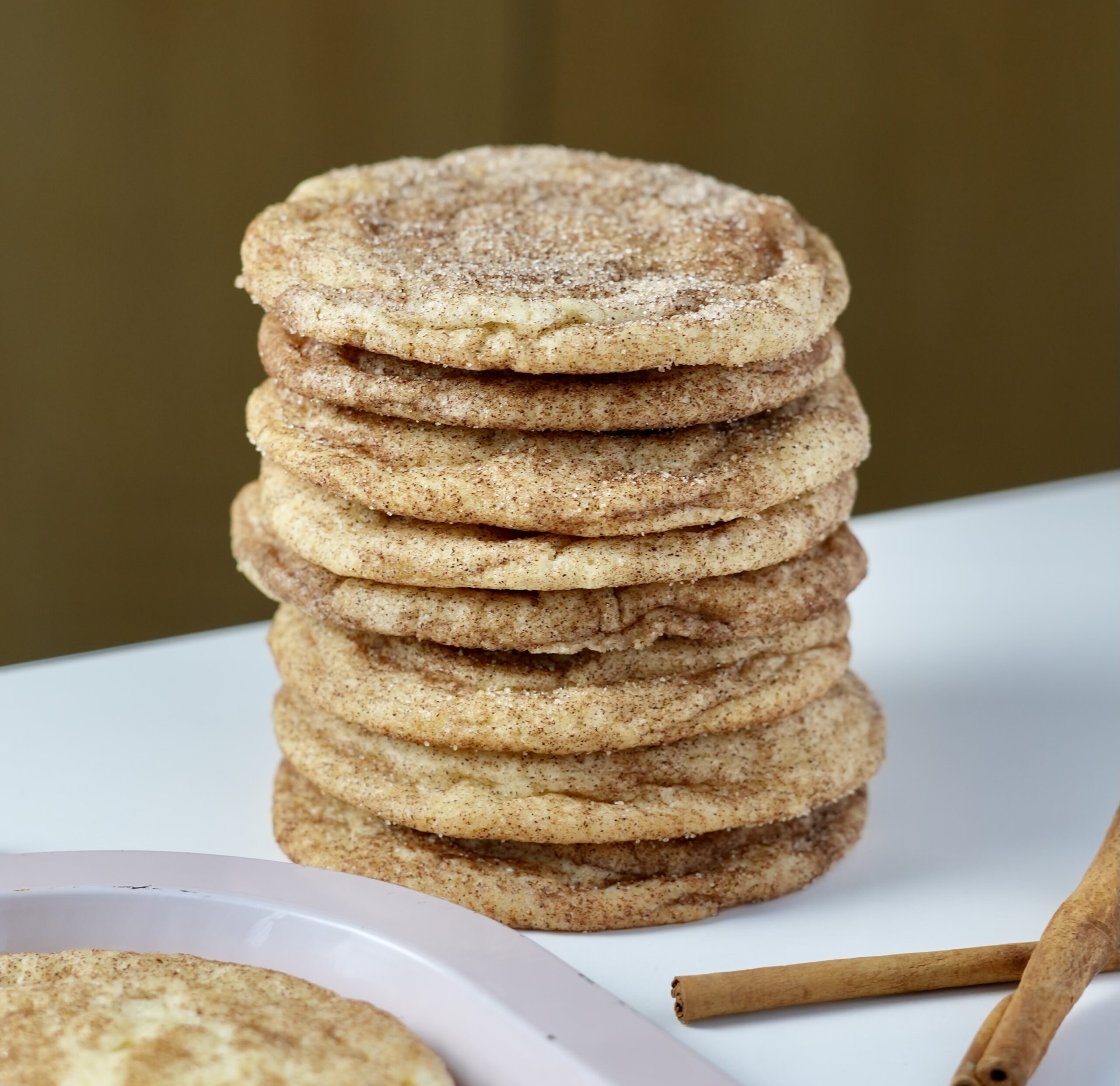
Malted Milk Snickerdoodle Cookie Recipe (Old-Fashioned Classic)
Ingredients
- 1 cup unsalted butter, softened Cool room temperature
- 1 1/2 cups granulated sugar
- 2 large eggs
- 2 3/4 cups all-purpose flour 380 grams – must be weighed
- 2 tsp cream of tartar
- 1 tsp baking soda
- 1/4 tsp salt
- 2 tsp malted milk powder
- 2 tbsp granulated sugar
- 2 tsp ground cinnamon
Method
- Preheat oven to 350°F (175°C) and line heavy-duty baking sheets with parchment paper.
- In the bowl of a stand mixer, cream together the softened butter and 1 1/2 cups granulated sugar until light, fluffy, and pale in color, about 3 to 4 minutes.
- Add the large eggs one at a time, mixing thoroughly and scraping down the sides of the bowl with a silicone spatula after each addition.
- In a separate large bowl, whisk together the flour, cream of tartar, baking soda, salt, and malted milk powder to ensure even distribution.
- Gradually pour the dry flour mixture into the wet ingredients and mix on low speed just until the white streaks disappear. Do not overmix.
- In a small dish, combine 2 tablespoons of sugar and 2 teaspoons of cinnamon. Portion the cookie dough into balls between your palms and coat completely in the cinnamon-sugar topping.
- Place on prepared trays 2 inches apart and bake for 9 to 11 minutes. Let the baked cookies cool on the pan for 5 minutes before transferring to a wire rack.
Nutrition
Notes
Malted Milk Snickerdoodle Tips & Expert Strategy
TEXTURE/MOUTHFEEL: These cookies are engineered to be thick, tender, and slightly bendy. If you prefer a highly crispy cookie with a loud crunch, this specific recipe will not deliver that result. Pull them from the oven when the centers still look slightly underbaked to guarantee a soft center. INGREDIENT WARNING: Do not omit the cream of tartar under any circumstances. It is responsible for the classic snickerdoodle tang and reacts directly with the baking soda for lift. Without it, the structural integrity and flavor of the cookie are entirely compromised. THE MELLOWING EFFECT: While excellent warm out of the oven, the malted milk flavor deepens and becomes more complex if you let the raw cookie dough rest and chill in the fridge for 30 minutes before baking. PROFESSIONAL FINISH: To get perfect bakery-style circles, take a round biscuit cutter or a large, wide mug and swirl it over the hot cookies immediately as they come out of the oven to round out any uneven edges.Tried this recipe?
Mention or tag @bakedlean!One response to “Malted Milk Snickerdoodle Cookie Recipe (Old-Fashioned Classic)”

160 cals per cookie?


Leave a Reply